Starting Seeds Indoors in Indiana: Timing is Everything
Indiana’s climate, with its distinct seasonal changes, requires careful planning for gardeners aiming to maximize their indoor seed-starting efforts. Knowing when to start seeds indoors is crucial to ensure plants are strong and healthy when it’s time to transfer them to the garden. This blog post will guide you through the optimal times to start seeds indoors, focusing on Indiana’s unique climate. From planning around the state’s chilly springs to strategizing for its sweltering summers and crisp falls, we’ll explore the best practices for a successful gardening season. Additionally, learn how to use certain techniques to cheat the unpredictable weather, giving your plants the best head start for a bountiful harvest.
WORKING WITH THE SEASONS
Indiana’s climate presents unique challenges and opportunities for gardeners. With a distinct set of seasons, understanding the local climate is key to successful seed starting. The state’s variable weather conditions require timing and precision, as each season is characterized by its own unique temperature and daylight patterns.
Planning your gardening activities in accordance with the changing seasons not only maximizes plant health and yield but also minimizes potential stress caused by unexpected weather changes. By coordinating indoor seed starting with outdoor conditions, gardeners can ensure their plants are well-prepared for transplantation and growth, aligning perfectly with Indiana’s unpredictable weather patterns.
EARLY SEASON – SPRING
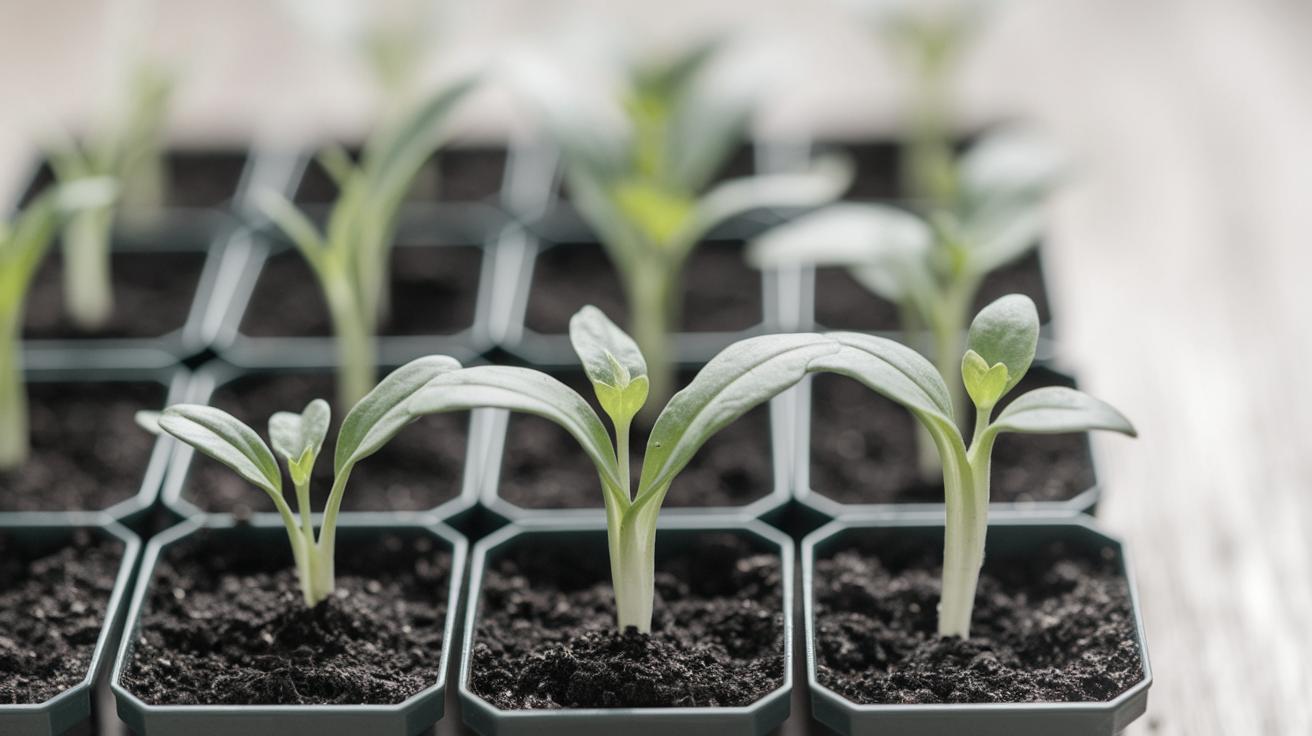
Spring in Indiana signifies rebirth and growth. For gardeners, this means getting a jumpstart on the growing season by starting seeds indoors as early as late February to early March, depending on the last frost date, which typically falls in mid-April. This practice allows tender plants like tomatoes, peppers, and certain flowers a chance to develop strong root systems before being transplanted to the garden.
It’s important to choose suitable containers and quality potting mix for your seeds. Adequate lighting, either through bright windows or grow lights, is essential to prevent leggy seedlings. Consistent moisture and temperature control will further encourage healthy development, making it easier for your plants to thrive once they are moved outdoors.
SUMMER HEAT LOVERS
As temperatures rise, summer heat lovers like squash, cucumbers, and melons come into play. These can be started indoors about 3-4 weeks before the last expected frost to extend their growing season. Indiana’s summer heat is perfect for these plants, and beginning them indoors ensures they’re strong enough to handle the heat.
It’s crucial to acclimate seedlings to outdoor conditions gradually through a process known as hardening off. By gradually exposing them to sunlight, wind, and variations in temperature, you help them adapt to the harsher conditions of a summer garden and mitigate the risk of transplant shock.
LATE SEASON – FALL
Come late summer into early fall, Indiana gardeners can set their sights on cool-weather crops. Starting seeds for crops like kale, broccoli, and lettuce indoors midsummer ensures a steady supply of fresh produce well into the autumn months. Timing is key, as these plants will need to mature before the first hard frost in October.
Indoor seed starting for fall crops offers more control over growing conditions, protecting young plants from extreme heat and pests that are prevalent during summer. By the time they’re ready to transition outdoors, plants will have a head start, ensuring robust growth in cooling temperatures as daylight steadily decreases.
CHEATING THE WEATHER
No matter how meticulously we plan, weather in Indiana can be notoriously unpredictable. By utilizing garden tools and techniques like cold frames, row covers, and greenhouses, gardeners can manipulate microclimates and gain more flexibility with planting times.
These methods allow for experimentation beyond traditional seed-starting timelines and can effectively extend the growing season for both warm and cool-weather crops. Additionally, investing in soil thermometers and frost protection strategies ensures that indoor seedlings transition with minimal risk, allowing enthusiastic Indiana gardeners to cheat the whims of weather, maximizing productivity and making the most out of each growing season.
Lessons Learned on Indoor Seed Starting in Indiana
| Season | Optimal Start Time Indoors | Crops | Preparation Tips |
|---|---|---|---|
| Early Season – Spring | Late February to Early March | Tomatoes, Peppers, Flowers | Use quality potting mix and ensure adequate lighting |
| Summer Heat Lovers | 3-4 weeks before last frost | Squash, Cucumbers, Melons | Gradually harden off plants to acclimate to outdoor conditions |
| Late Season – Fall | Midsummer | Kale, Broccoli, Lettuce | Start indoors to avoid extreme summer heat, ensure robust growth |
| Cheating the Weather | Flexible | Varied | Utilize cold frames, row covers, and greenhouses |