“`html
When to Plant Peony Bulbs: A Comprehensive Guide
Growing peonies is a rewarding endeavor that brings vibrant blooms and lush foliage to any garden. However, cultivating these stunning flowers requires attention to detail, starting with planting their bulbs at the right time.
Shop all Peonies >
Understanding Peony Bulb Planting Fundamentals
Peony tubers (often called bulbs) are herbaceous perennial roots that require specific conditions for optimal growth. These Paeonia species plants can live for decades when properly established, making initial planting decisions crucial for long-term garden success.
1. Plant at the right time.
Timing is crucial when it comes to planting peony bulbs. The ideal period for planting peonies is during the fall season, specifically between late September and early November, depending on your USDA hardiness zone.
Fall planting allows peony roots to establish during the dormant period before winter freeze. The soil temperature remains warm enough for root development while cooler air temperatures reduce transplant shock. This timing ensures robust spring emergence and better bloom production in subsequent years.
While spring planting is possible, it comes with significant challenges. Spring-planted peonies often experience delayed blooming cycles and reduced flower production compared to fall-planted specimens. The stress from rising temperatures and fluctuating soil moisture can compromise root establishment and overall plant vigor.
2. Choose the best growing location for peonies.
Selecting the optimal planting site determines peony success for decades. These long-lived perennials require full sun exposure, receiving 6-8 hours of direct sunlight daily for maximum bloom production and disease resistance.
Soil drainage ranks as the most critical factor for peony health. Well-draining, fertile soil with a pH between 6.0-7.0 prevents root rot and fungal diseases. Heavy clay soils require amendment with compost, perlite, or coarse sand to improve drainage and soil structure.
Avoid low-lying areas where water accumulates after rainfall. Poor drainage leads to crown rot, the primary cause of peony failure in home gardens. Consider raised beds or mounded planting areas in regions with heavy soils or high water tables.
3. Give them enough room to grow.
Proper plant spacing ensures adequate air circulation and reduces disease pressure. Space peony plants 3-4 feet apart center-to-center, allowing mature clumps to develop their full spread without overcrowding.
Adequate spacing prevents competition for nutrients, water, and sunlight while promoting better air movement through the foliage. This reduces humidity levels around plants, significantly decreasing the risk of botrytis blight and other fungal infections common in crowded plantings.
Proper Planting Techniques for Maximum Success
4. Plant peonies at the proper depth.
Planting depth critically affects peony blooming performance. Position the growing eyes (pink or red buds on the tuber) exactly 1-2 inches below the soil surface. Deeper planting often results in non-blooming plants, while shallow planting exposes crowns to frost damage.
Dig planting holes 18-24 inches wide and 12-15 inches deep. Create a small soil mound in the center to support the tuber at the correct depth. Backfill gradually with amended soil, ensuring no air pockets remain around the roots.
Water thoroughly after planting to settle soil and establish good root-to-soil contact. Apply a 2-3 inch layer of organic mulch around the plant, keeping mulch away from the crown to prevent moisture retention and potential rot issues.
5. Support the blooms.
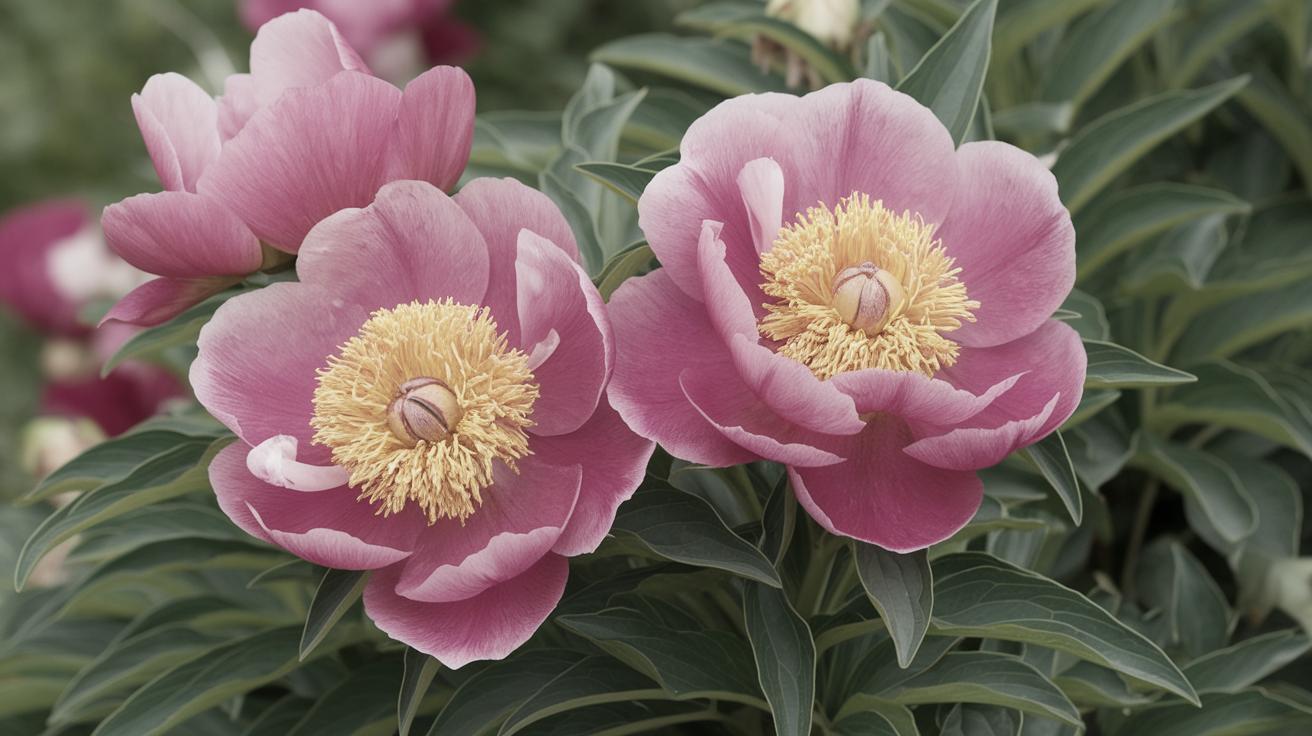
Mature peony flowers can reach 4-6 inches in diameter and become heavy with morning dew or rainfall. Install support systems early in the growing season before stems reach 12 inches in height.
Peony rings or grow-through supports work most effectively, allowing stems to grow naturally while providing invisible support. Bamboo stakes with soft plant ties offer an alternative for individual stem support, particularly useful for tree peonies and tall herbaceous varieties.
Seasonal Care and Maintenance Schedule
Spring Emergence and Early Care
Peony shoots emerge in early spring when soil temperatures reach 40-45°F consistently. Remove winter mulch gradually as shoots appear, allowing soil to warm naturally. Apply balanced fertilizer (10-10-10) around the plant base when shoots reach 2-3 inches tall.
Summer Blooming and Deadheading
Bloom time varies by variety, typically occurring from late May through July depending on climate zone. Deadhead spent flowers promptly to redirect energy into root development rather than seed production. Cut stems back to the first strong leaf below the flower.
Fall Preparation and Dormancy
Allow foliage to remain until first hard frost, as leaves continue photosynthesis and energy storage. Cut stems to ground level after foliage yellows completely. Remove all plant debris to prevent overwintering of fungal spores and pest eggs.
Common Planting Mistakes to Avoid
Depth and Positioning Errors
Planting too deep remains the most common cause of non-blooming peonies. Even experienced gardeners sometimes plant 4-6 inches deep, thinking deeper is better for winter protection. This mistake can delay blooming for years until the plant naturally adjusts its crown depth.
Site Selection Problems
Choosing locations with insufficient sunlight or poor drainage leads to weak plants susceptible to disease. Partial shade locations may produce foliage but few or no flowers. Wet sites almost guarantee crown rot within 2-3 years.
Variety Selection for Different Garden Conditions
Herbaceous Peonies
Traditional herbaceous peonies die back to ground level each winter and regrow from underground crowns. Popular varieties include ‘Sarah Bernhardt’ (pink double), ‘Karl Rosenfield’ (red double), and ‘Festiva Maxima’ (white double with red flecks).
Tree Peonies
Tree peonies maintain woody stems year-round and require slightly different planting techniques. Plant the graft union 4-6 inches below soil level to encourage the scion to develop its own root system above the rootstock.
Intersectional (Itoh) Peonies
These hybrid peonies combine herbaceous and tree peony characteristics, offering extended bloom periods and unique flower forms. Plant at the same depth as herbaceous varieties but provide extra winter protection in zones 4-5.
| Key Step | Summary | Critical Success Factor |
|---|---|---|
| Plant at the right time. | Fall is the best time to plant peonies, allowing root establishment before winter. | September-November timing for optimal root development |
| Choose the best growing location for peonies. | Peonies need full sun and well-drained soil; avoid overly damp areas. | 6-8 hours direct sunlight and excellent drainage |
| Give them enough room to grow. | Space peonies 3 to 4 feet apart for optimal growth and airflow. | Adequate air circulation prevents fungal diseases |
| Plant peonies at the proper depth. | Position bulbs with eyes 1 to 2 inches below soil to avoid bloom issues. | Precise depth measurement ensures reliable blooming |
| Support the blooms. | Use stakes or rings to support heavy blooms and prevent stem damage. | Early installation before stems reach 12 inches |
Troubleshooting Common Peony Problems
Why Peonies Don’t Bloom
Non-blooming peonies typically result from planting depth issues, insufficient sunlight, or immature plants. Newly planted peonies may take 2-3 years to establish before producing significant blooms. Avoid disturbing established clumps unnecessarily, as peonies resent root disturbance.
Disease Prevention Strategies
Botrytis blight and crown rot represent the most serious peony diseases. Ensure proper spacing, avoid overhead watering, and maintain good garden sanitation. Remove affected plant material immediately and dispose of it away from the garden area.
Long-term Care and Division
When to Divide Peonies
Established peony clumps rarely require division and can remain productive for 50+ years in optimal conditions. Divide only when bloom production declines significantly or when propagation is desired. September division timing allows maximum recovery time before winter dormancy.
Fertilization and Soil Management
Apply balanced fertilizer in early spring as shoots emerge, followed by a second application after blooming concludes. Incorporate compost annually around the plant base to maintain soil organic matter and improve nutrient availability throughout the growing season.
“`