Introduction
Tulips, with their vibrant colors and striking form, have long captivated gardeners and floral enthusiasts. Renowned as a symbol of spring’s arrival, they are relatively easy to plant and nurture with the right guidance. This article will walk you through the essential steps of planting tulip bulbs, from choosing the perfect time and location to ensuring they receive proper care during and after their blooming season. Whether you’re growing tulips for a vibrant garden display or as cut flowers for stunning bouquets, understanding the planting and maintenance process is key. By the end of this guide, you’ll have gleaned valuable insights into the tulip world and be ready to cultivate these beautiful “diamonds” of the garden. Let’s dive into the details of how to maximize your tulip-growing success.
Tulips: The Diamonds Of The Netherlands
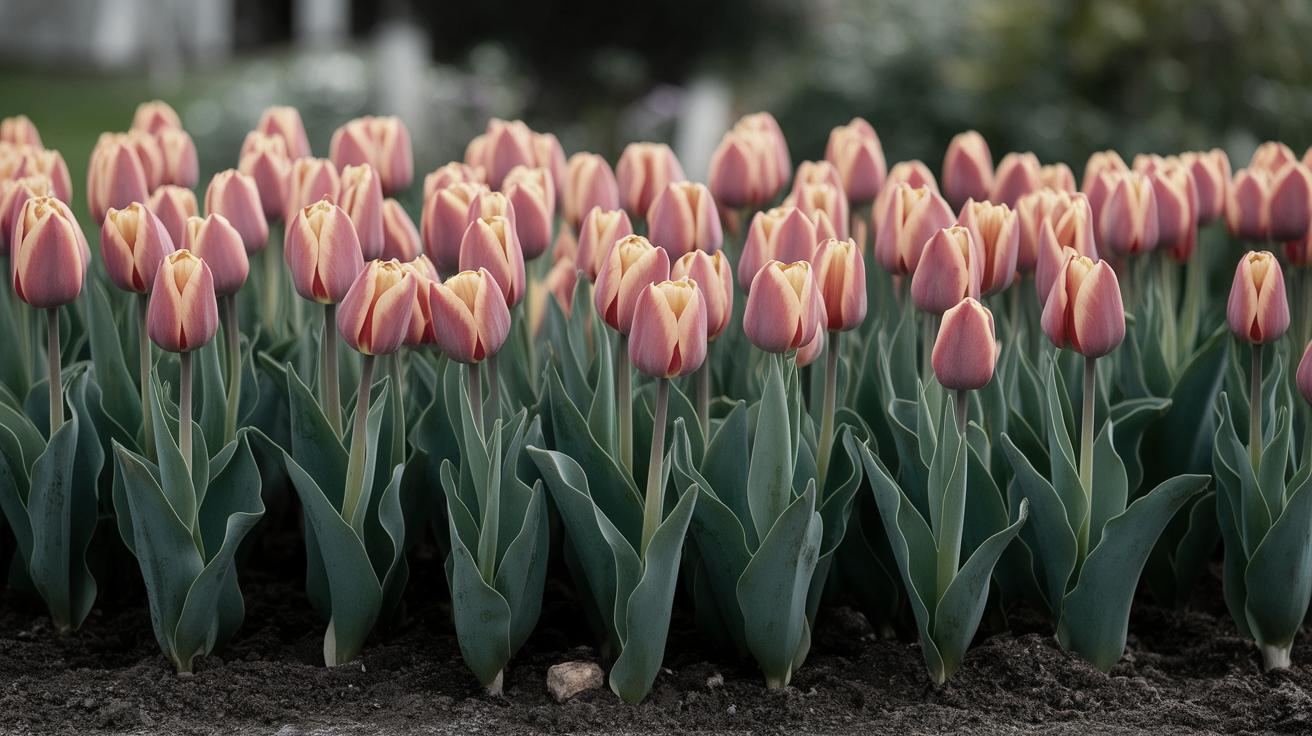
Known as the “diamonds of the Netherlands,” tulips hold a revered place in Dutch culture and horticulture. The Netherlands is synonymous with tulip cultivation, boasting sprawling fields that bloom in spectacular fashion each spring, attracting millions of tourists annually. This country’s affinity for tulips dates back to the 17th century during the period of “Tulip Mania,” a time when tulip bulbs reached astronomical prices. This cultural and historical significance has positioned the tulip as an emblem of Dutch identity and gardening prowess.
The unique climate of the Netherlands, with its cool springs and fertile soils, creates the perfect environment for tulip growth. Tulip breeding and hybridization have also contributed to an extraordinary range of colors, shapes, and sizes, further enhancing their appeal. Tulip festivals celebrate this diversity, showcasing everything from traditional single-flowered varieties to new creations with intriguing forms and vibrant hues. Understanding their origins enriches our appreciation of these floral wonders and sets the stage for cultivating them with care and precision.
When To Plant Tulip Bulbs?
Timing is crucial when planting tulip bulbs, as it influences their ability to establish roots before winter sets in. The ideal window for planting tulip bulbs is in the fall, typically between late September and early November, before the ground freezes. Planting in this period allows the bulbs to undergo a natural chilling period, essential for initiating the flowering process come spring.
Regional variations in climate must be considered when selecting the planting date. In areas with milder winters, planting can extend into late November, while colder regions may require earlier planting to accommodate an earlier onset of frost. Paying attention to local weather patterns and soil temperatures can offer further guidance, ensuring your bulbs are nestled into the ground with ample time to establish themselves before the winter months.
How To Store Tulip Bulbs?
Proper storage of tulip bulbs before planting is essential to maintain their viability. Once purchased, if you’re not planting immediately, store them in a cool, dry place with good air circulation. Bulbs should be kept away from direct sunlight and excessive moisture, as these conditions can cause them to rot or sprout prematurely. An ideal storage environment would maintain temperatures between 50-65°F (10-18°C).
Inspect the bulbs regularly during storage for any signs of mold or decay. Discard any infected bulbs to prevent the spread of disease. For longer storage, consider placing them in a mesh or paper bag to enhance airflow. This careful attention to storage conditions helps preserve the bulbs’ health, setting the stage for successful growth once they are planted in your garden.
Where To Plant Tulip Bulbs?
Choosing the right location for planting tulip bulbs will greatly impact their growth and blooming potential. Tulips thrive in well-drained soil and a spot that receives ample sunlight—at least six hours a day. These conditions help promote strong root development and vibrant blooms. Avoid low-lying areas that may collect excess water, which can lead to bulb rot.
If your garden soil is heavy or clay-based, consider improving its texture before planting by integrating organic matter such as compost or well-rotted manure. Raised beds are also an excellent solution for ensuring adequate drainage. In addition to soil conditions, account for spacing to provide each bulb with enough room to grow. A general guideline is to plant bulbs 3-5 inches apart, ensuring they have space to spread and access nutrients.
How Deep Do You Plant Tulip Bulbs?
The depth at which tulip bulbs are planted is a critical factor for their successful development. Generally, a good rule of thumb is to plant tulip bulbs at a depth that is three times their height. For most standard-sized tulip bulbs, this translates to a planting depth of approximately 6-8 inches. This depth helps protect them from temperature fluctuations and pests, while encouraging the bulb to develop a strong root system.
In very sandy soils, you may opt to plant bulbs slightly deeper to help anchor them effectively, while in heavier soils, slightly shallower planting might be advisable. After placing the bulbs in their planting holes, cover them with soil and lightly press down to eliminate air pockets. Properly planted, the bulbs will benefit from stability and ideal conditions to produce a flourish of spring blossoms.
How To Plant Tulip Bulbs?
Planting tulip bulbs can seem like a daunting task, but following a few simple steps can make the process straightforward and successful. Begin by selecting healthy, disease-free bulbs from a reputable supplier. Prepare the planting area by tilling the soil and incorporating organic matter to improve drainage and fertility.
Create individual holes or a trench for planting. Place each bulb with the pointed end facing upwards and the flat or root base at the bottom of the hole. This orientation is essential for ensuring that the bulb can properly grow roots and shoots. Once in place, cover the bulbs with soil, water lightly, and apply a layer of mulch to conserve moisture and control weeds.
How To Grow Tulips For Cutting?
For those interested in growing tulips specifically for cutting, there are a few additional considerations to enhance stem length and flower quality. Choose tulip varieties known for their long, sturdy stems. Plant them more densely to encourage upward growth and minimize lateral spreading, as this can foster longer flower stems ideal for vase arrangements.
During growth, ensure ample sunlight and consistent watering, but be cautious of overwatering as it can weaken the roots. When cutting the flowers, do so early in the morning when the blooms are just beginning to open for the longest vase life. Also, leave the bottom few leaves intact to ensure the bulb can store ample energy for next year’s growth cycle.
How To Take Care Of Tulip Bulbs During Their Growth?
Caring for tulip bulbs during their growth involves a balanced approach of providing water while avoiding waterlogging. Regular, moderate watering is key, especially during dry spells, to aid in root establishment and bud development. Ensure that the soil remains moist but not saturated, as excessive moisture can be detrimental and lead to rot.
Fertilization is another aspect of tulip care to consider. A balanced, slow-release fertilizer applied in early spring can support robust blooms and vigorous plant health. Additionally, keeping the planting area free of weeds is essential to reduce competition for resources. Incorporating a light mulch layer can also conserve soil moisture and suppress unwanted growth, promoting the vigor of your tulips.
How To Take Care Of Tulip Bulbs After Blooming?
After tulips bloom, the care given to bulbs sets the stage for next year’s display. Allow the foliage to die back naturally; this process enables the bulb to photosynthesize and store energy. Avoid cutting the leaves immediately after blooming; instead, wait until they have yellowed and withered to gently remove them.
If you live in an area with wet summers, consider lifting the bulbs and storing them as described earlier until fall planting. Before replanting, inspect each bulb for health and discard any that show signs of damage or disease. This aftercare helps strengthen the bulbs and ensures a vibrant, healthy bloom cycle in the following spring.
Explore High-Quality Tulip Bulbs At DutchGrown
For those searching for top-tier tulip bulbs, DutchGrown offers a selection renowned for quality and variety. Based in the Netherlands, DutchGrown takes pride in providing bulbs that thrive across diverse gardening conditions. Their range includes both classic tulip varieties and innovative hybrids that bring unique colors and shapes to your garden.
By sourcing bulbs from a trusted provider like DutchGrown, you can be confident in the health and vitality of your tulips. Browse their offerings and take advantage of expert advice from their experienced team to cultivate a stunning tulip display that will be the envy of your neighborhood.
Lessons Learned
| Topic | Summary |
|---|---|
| Tulips: The Diamonds Of The Netherlands | Explore the cultural and historical significance of tulips in the Netherlands and their global appeal. |
| When To Plant Tulip Bulbs? | Plant tulips in the fall to ensure optimal root development and spring blooming. |
| How To Store Tulip Bulbs? | Store bulbs in a cool, dry place to prevent rot and premature sprouting. |
| Where To Plant Tulip Bulbs? | Select well-drained, sunlit areas and enrich the soil for vibrant growth. |
| How Deep Do You Plant Tulip Bulbs? | Plant bulbs three times deeper than their height to secure them adequately. |
| How To Plant Tulip Bulbs? | Ensure proper placement and orientation for successful growth. |
| How To Grow Tulips For Cutting? | Focus on varieties with long stems and provide optimal spacing for cutting. |
| How To Take Care Of Tulip Bulbs During Their Growth? | Balanced watering, nutrient support, and weed control are key to healthy development. |
| How To Take Care Of Tulip Bulbs After Blooming? | Allow foliage to wither naturally to store energy for the next growth cycle. |
| Explore High-Quality Tulip Bulbs At DutchGrown | Find premium tulip bulbs and expert advice for a remarkable floral display. |