When to Plant Strawberries in Pennsylvania: A Comprehensive Guide
Strawberries are a beloved fruit for many gardening enthusiasts and home growers in Pennsylvania, offering
sweet rewards with the right care and attention. Knowing when and how to plant strawberries in PA is
crucial for success due to the state’s climate variations. This blog post will guide you through the optimal
planting times, choosing the right location, tending to your plants, and even some harvesting tips
to ensure a bountiful crop. We’ll discuss the factors affecting growth and the steps needed at each stage of
the planting process, equipping you with the necessary knowledge to cultivate delicious strawberries
effectively. By the end of the article, you will have a solid understanding of how to manage your strawberry
plants throughout the growing season and enjoy their ripe, juicy goodness come harvest time.
Strawberry Planting Guide: When to Plant Strawberry Plants
In Pennsylvania, the timing of strawberry planting is critical to ensure that the plants establish well and
produce abundant berries. Spring is generally the best time to plant strawberries, as it allows the plants
to develop strong root systems before the arrival of the summer heat. Early spring, right after the last frost
date, is often recommended for planting strawberry crowns or bare-root plants.
If opting for strawberry runners or plugs, planting them in mid to late summer can yield good results. This
timing allows them to establish before winter sets in, which is particularly beneficial in regions with harsh
winters. It’s essential to consider the local frost dates and soil temperatures to determine the optimal planting
window for your area within Pennsylvania.
When to Start Strawberries
The initial step in starting your strawberry patch is selecting the right variety of strawberry that suits
Pennsylvania’s climate. June-bearing and everbearing varieties are popular choices. June-bearing strawberries
produce a large crop in early summer, while everbearing strawberries offer fruit throughout the growing season.
Starting strawberries indoors about six weeks before you plan to transplant them outside can give them
a head start. Use seed trays with a quality potting mix and ensure they receive ample sunlight. This practice
will encourage robust seedlings that have a better chance of thriving when moved to their outdoor home.
Location
Choosing the right location for planting strawberries is vital for maximizing their growth potential. Strawberries
thrive in well-drained soil with full sun exposure, requiring at least 6-8 hours of direct sunlight each day.
Selecting a site free from strong winds also aids in their development.
It’s equally important to ensure the soil is fertile and rich in organic matter. A slightly acidic soil pH between
5.5 and 6.8 is ideal. It’s advisable to prepare the garden bed thoroughly by incorporating compost and removing
any weeds or debris. Raised beds can also be a great solution for areas with poor drainage.
Tending Strawberries
Once established, strawberries require regular care to flourish. Consistent watering, approximately an inch of water
per week, is vital, especially during dry spells. Mulching around the plants helps retain soil moisture, control
weeds, and protect roots from temperature fluctuations.
Fertilization is another key component. A balanced fertilizer applied in early spring and again after the first harvest
supports their growth and fruiting potential. Additionally, considering pest control measures, such as netting for birds
or organic treatments for common pests like slugs, can help maintain plant health.
Harvesting
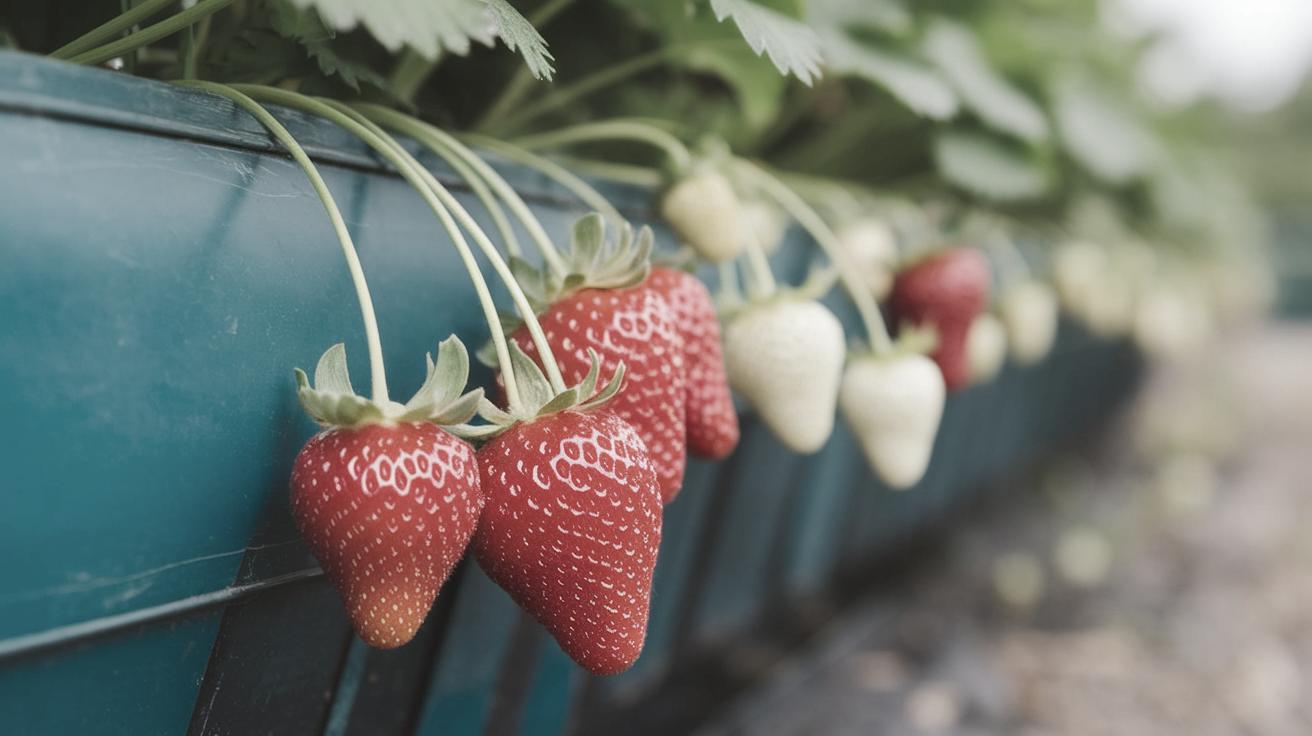
Harvesting strawberries at the peak of ripeness is crucial for both flavor and sweetness. Typically, you’ll know they’re
ready to pick when the berries are fully red from top to bottom. It’s best to harvest in the morning when the fruit is cool.
Handle strawberries with care to avoid bruising and pick them with the green cap and a little bit of the stem intact. Regular
harvesting every couple of days encourages more fruit production. Remember, the taste of homegrown strawberries often surpasses
that of store-bought ones due to their freshness.
Strawberry Planting Guide: Conclusion
Successfully growing strawberries in Pennsylvania hinges on understanding the best planting times, choosing the right location,
and maintaining consistent care throughout their growth phases. The rewarding experience of tending to and harvesting your very
own strawberries can make all the effort worthwhile. With the provided guidelines, you should feel confident in starting your strawberry journey and enjoying the fruits of your labor.
More Growing Strawberries
Beyond the basic steps covered in this guide, advanced practices like crop rotation, companion planting, and using row covers
during cold snaps can further enhance your strawberry garden’s success. Exploring these techniques can lead to better yields
and healthier plants over the long term.
Engaging with local gardening communities or joining forums can offer additional support and shared experiences, providing
valuable insights specific to growing strawberries in Pennsylvania. As you gain experience, experimenting with different
strawberry varieties and growing conditions can enhance your gardening prowess and satisfaction.
Future Prospects
| Aspect | Details |
|---|---|
| Optimal Planting Time | Early spring after last frost; alternative in summer |
| Starting Indoors | 6 weeks before transplanting |
| Location Requirements | Full sun, well-drained, fertile soil |
| Tending Methods | Regular watering, mulching, and fertilization |
| Harvesting Tips | Pick when fully red, handle carefully |