Growing pea seeds successfully requires proper timing, soil preparation, and variety selection for maximum garden productivity.
Quick facts
Peas are cool-season legumes that thrive in early spring conditions when soil temperatures reach 45-50°F. These nitrogen-fixing plants mature in 60-70 days and perform optimally in temperatures between 55-70°F, making them ideal for succession planting throughout the growing season.
Optimal growing conditions include well-draining soil with pH levels between 6.0-7.5 and consistent moisture levels. Direct seeding proves more successful than transplanting, with seeds planted 1-2 inches deep and spaced 2 inches apart in rows 12-24 inches wide for proper air circulation and disease prevention.
Choosing pea varieties
Selecting appropriate pea cultivars depends on your culinary preferences, climate zone, and available growing space. Traditional shelling peas offer rich flavor profiles, while edible-pod varieties like snow peas provide versatility in Asian-inspired dishes and stir-fries.
Consider your region’s hardiness zone and frost dates when choosing varieties. Heat-tolerant cultivars extend growing seasons in warmer climates, while cold-resistant varieties enable earlier spring planting. Research locally-adapted varieties through your county extension office for optimal regional performance.
Shelling, snow and sugar snap peas
Shelling peas
Garden peas or shelling peas are cultivated primarily for their sweet, starchy seeds contained within inedible pods. Popular varieties include ‘Green Arrow’, ‘Lincoln’, and ‘Wando’ for their consistent yields and disease resistance.
Harvest timing is critical for maintaining sweetness and preventing over-maturity. Pick pods when they’re bright green and well-filled but before seeds become hard and starchy. Process immediately after harvest to preserve natural sugars and nutritional content.
Snow peas
Mangetout peas or snow peas feature flat, tender pods consumed entirely before seeds develop. These Asian cuisine staples include varieties like ‘Oregon Sugar Pod’ and ‘Mammoth Melting Sugar’ known for their crisp texture and mild flavor.
Harvest snow peas when pods reach full length but remain flat and tender. Regular picking every 2-3 days encourages continued production and prevents pods from becoming tough and fibrous.
Sugar snap peas
Snap peas combine the best characteristics of both shelling and snow peas, offering plump, sweet pods that are entirely edible. Popular cultivars include ‘Sugar Snap’, ‘Super Sugar Snap’, and ‘Cascadia’ for their exceptional crunch and sweetness.
Maintain consistent soil moisture during pod development for optimal texture and flavor. Harvest when pods are plump with visible seeds but still tender and bright green for maximum nutritional density.
Pea shoots
Pea microgreens and shoots provide quick-growing, nutrient-dense greens perfect for urban gardening and container cultivation. These tender vine tips offer concentrated vitamins A, C, and folate in just 2-3 weeks from seeding.
Harvest shoots when they reach 4-6 inches tall, cutting just above the first set of true leaves. Multiple harvests are possible from the same planting, extending your fresh greens supply throughout the season.
Dried peas
Field peas or dried peas mature completely on the vine for long-term storage and culinary applications. Varieties like ‘Alaska’ and ‘Blue Pod Capucijners’ provide protein-rich legumes for soups, stews, and traditional dishes.
Allow pods to dry completely until they rattle when shaken. Harvest during dry weather conditions and store in airtight containers with bay leaves to prevent insect damage during storage.
Soil testing and fertilizer
Conduct comprehensive soil analysis 4-6 weeks before planting to determine pH levels, nutrient content, and organic matter percentages. Professional soil tests reveal deficiencies in phosphorus, potassium, and trace minerals essential for healthy pea development.
Peas require minimal nitrogen fertilization due to their rhizobial bacteria partnerships that fix atmospheric nitrogen. Apply balanced organic fertilizers like compost or aged manure sparingly, as excessive nitrogen promotes leafy growth at the expense of pod production.
Starting seeds
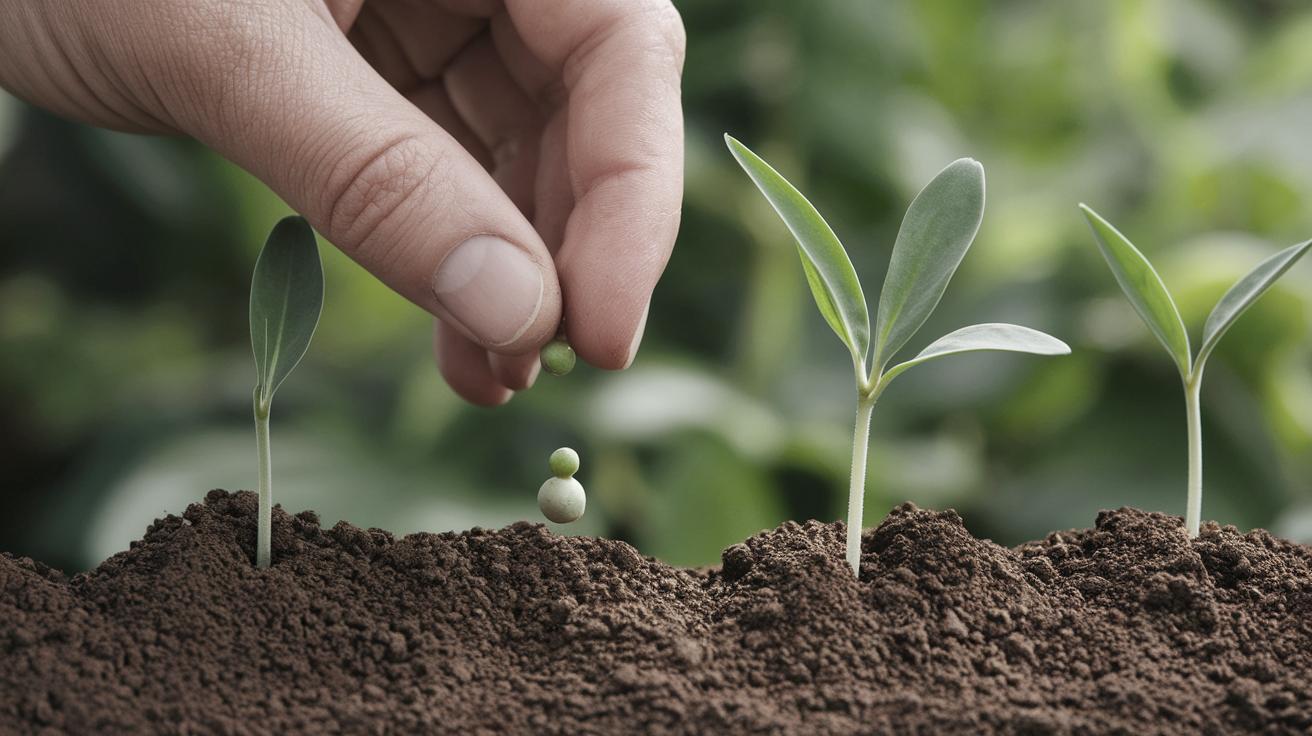
Direct seeding produces stronger, more resilient pea plants compared to transplanting methods. Pre-soak seeds for 8-12 hours in lukewarm water to accelerate germination and improve emergence rates in cool soil conditions.
Plant seeds when soil temperature consistently reaches 45°F, typically 4-6 weeks before the last expected frost. Space seeds 2 inches apart in double rows or wide beds to maximize space utilization and facilitate easier harvesting.
Watering and irrigation
Maintain consistent soil moisture throughout the growing season, providing approximately 1 inch of water weekly through rainfall or supplemental irrigation. Deep, infrequent watering encourages robust root development and drought tolerance.
Implement drip irrigation or soaker hoses to deliver water directly to root zones while keeping foliage dry. Morning watering allows excess moisture to evaporate, reducing fungal disease pressure and improving overall plant health.
Support systems and trellising
Vertical growing systems maximize garden space while improving air circulation and harvest accessibility. Install trellises, bamboo teepees, or wire mesh supports before planting to avoid disturbing developing root systems.
Climbing varieties require 6-8 foot supports, while bush types need minimal staking for wind protection. Use soft ties or plant clips to secure vines without damaging tender stems and growing points.
Controlling weeds
Implement integrated weed management strategies combining cultural, mechanical, and organic approaches for effective control. Apply 2-3 inch organic mulch layers between rows to suppress weed germination and conserve soil moisture.
Hand cultivation during early growth stages prevents root damage while eliminating competing vegetation. Shallow hoeing when soil is slightly moist proves most effective for severing weed roots without disturbing pea plants.
Companion planting strategies
Beneficial plant partnerships enhance pea growth while deterring pests and maximizing garden productivity. Plant peas alongside carrots, radishes, and lettuce for efficient space utilization and complementary growing requirements.
Avoid planting near onions, garlic, or members of the Allium family, which can inhibit pea growth and nitrogen fixation. Marigolds and nasturtiums provide natural pest deterrence while attracting beneficial pollinators.
Harvest and storage
Timing harvest correctly ensures peak flavor, texture, and nutritional content across all pea varieties. Daily monitoring during peak season prevents over-maturity and maintains continuous production throughout the growing period.
Fresh peas maintain quality for 3-5 days under refrigeration, while blanching and freezing preserves nutritional content for 8-12 months. Proper storage techniques include immediate cooling and moisture control to prevent quality deterioration.
Managing pests, diseases and disorders
Insects
Integrated Pest Management (IPM) approaches effectively control common pea pests including aphids, pea weevils, and thrips. Regular scouting and early intervention prevent population explosions that damage crops and reduce yields.
Beneficial insects like ladybugs, lacewings, and parasitic wasps provide natural pest control when habitat is preserved. Insecticidal soaps and neem oil applications target soft-bodied pests without harming beneficial species.
Diseases
Fungal pathogens including powdery mildew, fusarium wilt, and bacterial blight thrive in humid conditions with poor air circulation. Preventive measures include proper spacing, morning watering, and resistant variety selection.
Crop rotation on 3-4 year cycles breaks disease cycles and reduces soil-borne pathogen populations. Remove infected plant material immediately and dispose of it away from compost areas to prevent disease spread.
Disorders
Environmental stress factors including temperature extremes, drought, and nutrient imbalances cause physiological disorders affecting plant development. Row covers and shade cloth provide protection during adverse weather conditions.
Monitor soil moisture levels consistently and adjust irrigation schedules based on weather patterns and plant growth stages. Calcium deficiency and boron deficiency can cause pod malformation and reduced seed development.
Succession planting and season extension
Continuous harvests result from planting new pea crops every 2-3 weeks throughout the cool season. This strategy ensures fresh peas from early spring through late fall in most temperate climates.
Fall plantings require timing calculations based on first frost dates and variety maturity periods. Plant 10-12 weeks before expected hard frost for successful autumn harvests and extended growing seasons.
Seed saving and storage
Heritage variety preservation through seed saving maintains genetic diversity while reducing annual seed costs. Select the healthiest, most productive plants for seed collection and allow pods to mature completely on the vine.
Properly dried and stored pea seeds remain viable for 3-4 years when kept in cool, dry conditions. Label saved seeds with variety names and harvest dates for future planting reference and garden planning.
Nutritional benefits and culinary uses
Fresh peas provide exceptional nutritional density including vitamins A, C, and K, plus folate, fiber, and plant-based protein. These antioxidant-rich legumes support immune function and cardiovascular health.
Culinary applications range from fresh eating and salads to soups, stews, and traditional dishes across global cuisines. Quick cooking methods preserve nutritional content while maintaining optimal texture and flavor profiles.
Lessons learned
| Aspect | Key Points |
|---|---|
| Quick facts | 60-70 days to maturity; cool season planting; nitrogen-fixing ability. |
| Choosing varieties | Consider taste preferences, climate, and growing conditions. |
| Types of peas | Shelling, snow, and sugar snap peas each offer unique benefits. |
| Soil prep | Test soil, amend pH, and apply balanced fertilizers sparingly. |
| Starting seeds | Direct sowing recommended; proper spacing is vital for air circulation. |
| Watering | Ensure consistent moisture without overwatering; prefer morning watering. |
| Weed control | Use mulch and hand weed regularly to reduce competition. |
| Harvest & Storage | Harvest at the right time; freeze or dry for extended use. |
| Pest management | Monitor for insects, use insecticidal soaps, and crop rotation. |
| Disease & disorder | Ventilate well, employ resistant varieties, and monitor weather. |