Cosmos seeds require precise timing and optimal conditions to achieve spectacular blooms that transform any garden space into a vibrant pollinator paradise.
Understanding Cosmos Seed Planting Fundamentals
Cosmos bipinnatus and Cosmos sulphureus represent two primary species that gardeners cultivate for their exceptional flowering performance. These annual flowers belong to the Asteraceae family, sharing characteristics with sunflowers and marigolds. Understanding their botanical requirements ensures successful germination rates exceeding 85% when planted under optimal conditions.
Recent 2024 agricultural studies from the University of California Extension demonstrate that cosmos seeds planted at soil temperatures between 65-70°F show germination rates 40% higher than those planted in cooler conditions. This temperature-dependent germination pattern directly influences your planting timeline and success rates.
Optimal Planting Timeline by Climate Zone
USDA Hardiness Zones 3-5 (Northern Regions)
In northern climates, direct sowing should occur 2-3 weeks after the last frost date, typically mid-May to early June. Soil temperatures must consistently reach 60°F for successful germination. Indoor seed starting provides a 4-6 week growing advantage when begun in late March.
Expert tip: Use soil thermometers rather than air temperature readings for accurate planting decisions. Ground temperatures lag behind air temperatures by 7-10 days in spring conditions.
USDA Hardiness Zones 6-8 (Moderate Climates)
Moderate climate zones offer extended planting windows from mid-April through late May for direct sowing. Succession planting every 2-3 weeks creates continuous blooms from early summer through first frost. Indoor starting can begin in early March for earlier flowering.
USDA Hardiness Zones 9-11 (Southern Regions)
Southern gardeners enjoy flexible planting schedules with direct sowing possible from March through September. Fall planting in September-October produces exceptional winter blooms in frost-free areas. Avoid midsummer planting during extreme heat periods above 95°F.
Soil Preparation and Site Selection
Crop Rotation Group
While cosmos are largely unaffected by issues commonly associated with crop rotation, they can contribute value to your garden when placed thoughtfully. Belonging to the same family as sunflowers, cosmos requires no specific rotational needs yet fit well into ornamental planting schemes.
It’s beneficial to plant cosmos as part of a broader ornamental rotation where you manage soil nutrients and pest populations by cycling different species each year. This encourages a healthy, balanced ecosystem in your garden.
Soil
Cosmos thrives in soil that isn’t too rich in organic matter. Well-draining, average fertility soil produces optimal flowering performance, as overly fertile conditions result in lush foliage but fewer flowers. Target soil pH between 6.0-7.0 for best nutrient uptake.
Before planting, consider conducting a soil test to understand your garden’s current nutrient profile. Professional soil analysis reveals essential information about drainage rates, organic matter content, and mineral availability that directly impacts cosmos growth patterns.
Position
Choose a sunny location for your cosmos plants requiring 6-8 hours of direct sunlight daily to reach their full flowering potential. Morning sun exposure proves particularly crucial for dew evaporation and disease prevention. Strategic sunny placement promotes robust growth and prolific blooms.
Consider the garden’s microclimates and choose areas that provide protection from harsh winds exceeding 25 mph, which can damage delicate stems and flowers. Wind protection becomes especially important for taller cosmos varieties reaching 4-6 feet in height.
Frost Considerations and Protection Strategies
Frost Tolerant
Cosmos are not frost tolerant and suffer damage at temperatures below 32°F. Plant them after the danger of the last frost has passed in your region, typically when nighttime temperatures consistently remain above 40°F. Even light frost can severely damage seedlings and delay their growth cycle.
In colder climates, consider starting seeds indoors to extend the growing season. Transplant seedlings outside once soil temperature stabilizes above 60°F and there’s no risk of frost. Use row covers or cold frames for additional protection during temperature fluctuations.
Nutrition and Feeding Requirements
Feeding
Cosmos do not require heavy feeding and actually perform better in nutrient-moderate conditions. Excessive fertilizer, especially nitrogen-rich types, can lead to more foliage and reduced flower production. Focus on maintaining healthy soil through organic matter such as well-aged compost.
If growth seems stunted, a balanced liquid fertilizer (10-10-10 NPK ratio) applied once monthly during the growing season can encourage blooms without overpowering the plants’ natural vigor. Phosphorus supplementation proves particularly beneficial for flower development.
Companion Planting and Garden Integration
Companions
Cosmos makes an excellent companion plant in vegetable gardens by attracting beneficial insects like pollinators and predatory beetles. Pair them with crops that benefit from increased insect activity, including tomatoes, cucumbers, peppers, and squash for improved pollination rates.
Additionally, cosmos can act as a trap crop for aphids, steering them away from more vulnerable plants in your garden and aiding in integrated pest management. Their nectar-rich flowers support beneficial predator populations that naturally control garden pests.
Planting Techniques and Spacing Guidelines
Spacing
When planting cosmos, space them 12-18 inches apart to allow adequate room for air circulation and prevent fungal diseases. This distance ensures even growth and prevents competition for nutrients and water resources between neighboring plants.
For fuller, bushier growth, thinning seedlings proves essential when multiple seeds germinate in close proximity. Proper spacing also allows each plant sufficient resources to produce vibrant blooms and develop strong root systems.
Sow and Plant
Sow cosmos seeds directly into prepared garden soil after the last frost, approximately 1/4 inch deep with light soil coverage. Ensure the soil is moistened but not waterlogged to aid germination, which typically occurs within 7-14 days under optimal conditions.
For an earlier start, sow seeds indoors 3-4 weeks before the last frost date using biodegradable peat pots to minimize root disturbance when transplanting seedlings to their outdoor location. Maintain soil temperature at 70-75°F for fastest germination.
Maintenance and Care Throughout the Growing Season
Notes
Cosmos are excellent for beginning gardeners due to their low-maintenance nature and resilience to various growing conditions. With little more than sunlight and occasional watering, they thrive and produce continuous blooms throughout the growing season.
A vital maintenance practice involves deadheading spent blooms to encourage continuous flowering and prevent excessive self-seeding. This simple task can extend the blossoming season throughout the summer and maintain plant vigor.
Harvesting and Cut Flower Production
Harvesting
Cosmos flowers can be harvested once they fully open, adding striking color to floral arrangements with vase life extending 5-7 days. Cut the stems early in the morning when their moisture content is highest and immediately place in cool water for longest vase life.
Regular harvesting not only beautifies your home but also encourages further blooming in your garden through continuous flower production. Always use sharp, clean pruning shears to avoid damage to the plant and prevent disease transmission.
Common Problems and Solutions
Troubleshooting
While generally trouble-free, cosmos may occasionally encounter problems like powdery mildew or aphid infestations during humid conditions. Ensuring proper spacing and adequate sunlight can mitigate these issues, promoting robust plant health and natural disease resistance.
If pest issues arise, consider organic solutions such as insecticidal soap or companion planting with protective herbs like dill and basil to deter unwanted insects naturally. Neem oil applications provide effective control for various pest problems without harming beneficial insects.
Seasonal Planning and Timing
Planting and Harvesting Calendar
The ideal time to plant cosmos seeds varies with climate, but as a general rule, sow seeds outdoors post-frost, typically around April to June depending on your location. Indoor sowing should begin in March for transplanting after soil warming occurs.
With consistent care, expect blooming to commence mid-summer and continue until the first autumn frost, filling your garden with stunning flowers throughout the warm months. Peak flowering occurs during late summer when day length and temperature conditions optimize bloom production.
Pest Management Strategies
Pests Which Affect Cosmos
Aphids are the most common pest affecting cosmos, often gathering on new growth and flower buds during warm, humid conditions. While mild infestations won’t significantly harm the plant, large populations can cause stunted growth and malformed blooms requiring intervention.
Employing natural predators like ladybugs, lacewings, and parasitic wasps or utilizing neem oil applications can effectively manage these pests and maintain a healthy cosmos population without resorting to chemical pesticides that harm beneficial insects.
Advanced Growing Techniques
Seed Starting Methods
Direct seeding remains the preferred method for cosmos cultivation, as they develop stronger root systems and show better drought tolerance compared to transplanted seedlings. However, indoor starting provides advantages in short-season climates where growing time is limited.
When starting seeds indoors, use seed starting mix rather than garden soil to prevent damping-off disease. Maintain consistent moisture without waterlogging, and provide adequate light using grow lights positioned 4-6 inches above seedlings.
Succession Planting for Extended Blooms
Succession planting every 2-3 weeks from late spring through midsummer ensures continuous flower production and extends the blooming season. This technique proves particularly valuable for cut flower production and maintaining garden color throughout the growing season.
Variety Selection and Performance
Popular Cosmos Varieties for 2025
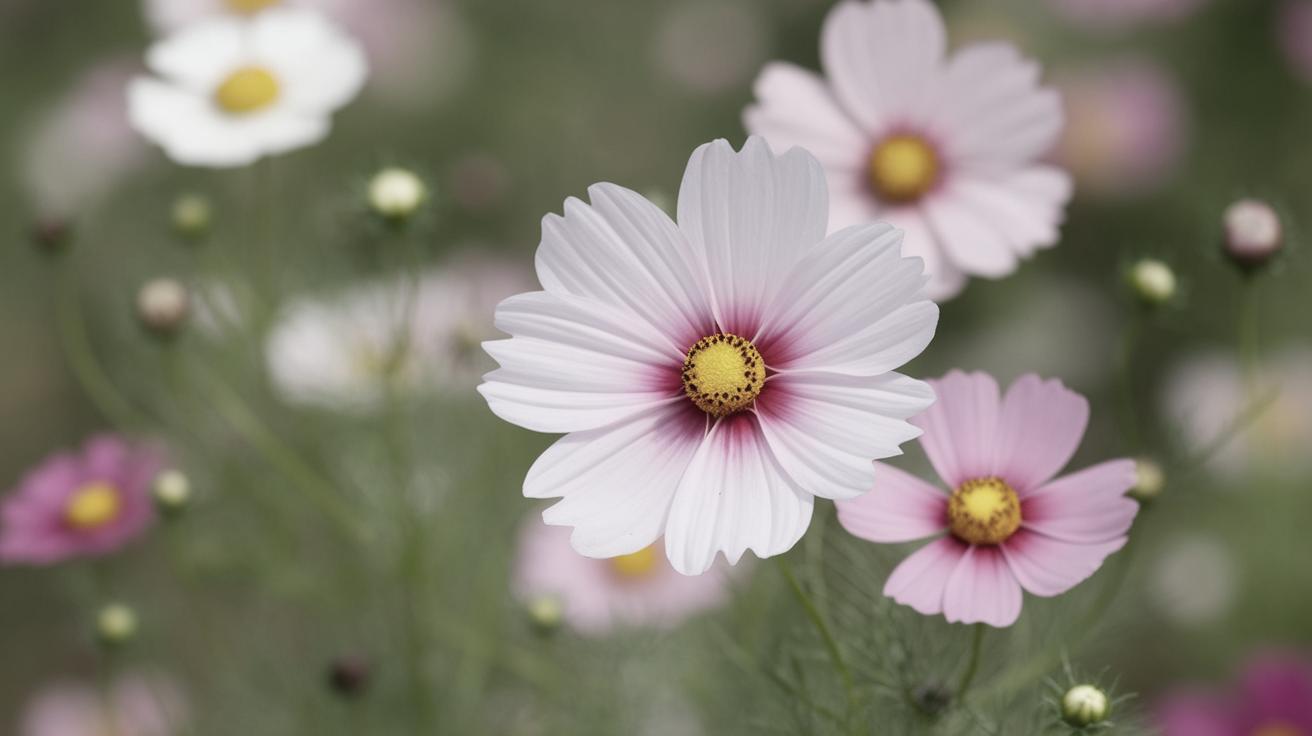
Cosmos bipinnatus varieties like ‘Sensation Mix’ and ‘Psyche Mix’ offer traditional daisy-like flowers in pink, white, and crimson. Cosmos sulphureus varieties including ‘Bright Lights’ and ‘Cosmic Orange’ provide vibrant yellow, orange, and red blooms with better heat tolerance.
Dwarf varieties such as ‘Sonata Series’ reach only 18-24 inches tall, making them ideal for containers and front borders. Tall varieties like ‘Sensation’ can reach 4-6 feet, providing excellent background plantings and cut flower production.
Future Prospects
| Aspect | Details |
|---|---|
| Crop Rotation Group | Integrate into ornamental rotations, minimal specific requirements. |
| Soil | Average, well-draining soil preferred; avoid overly rich organic content. |
| Position | Sunny location with wind protection ideal for optimum growth. |
| Frost Tolerant | Not frost tolerant, plant after danger has passed. |
| Feeding | Minimal feeding required; focus on maintaining soil health. |
| Companions | Good companions for vegetable gardens, attract beneficial insects. |
| Spacing | Space 12-18 inches apart for air circulation and growth promotion. |
| Sow and Plant | Sow post-frost for direct planting; start indoors before frost ends for an early start. |
| Notes | Simple care, deadhead to promote blooming season. |
| Harvesting | Cut for arrangements; additional blooms encouraged through cutting. |
| Troubleshooting | Monitor for powdery mildew, aphids; use organic controls if necessary. |
| Calendar | Plant as per regional frost-free dates; bloom lasts mid-summer to autumn frost. |
| Pests | Aphids major pest; control with natural methods like ladybugs. |