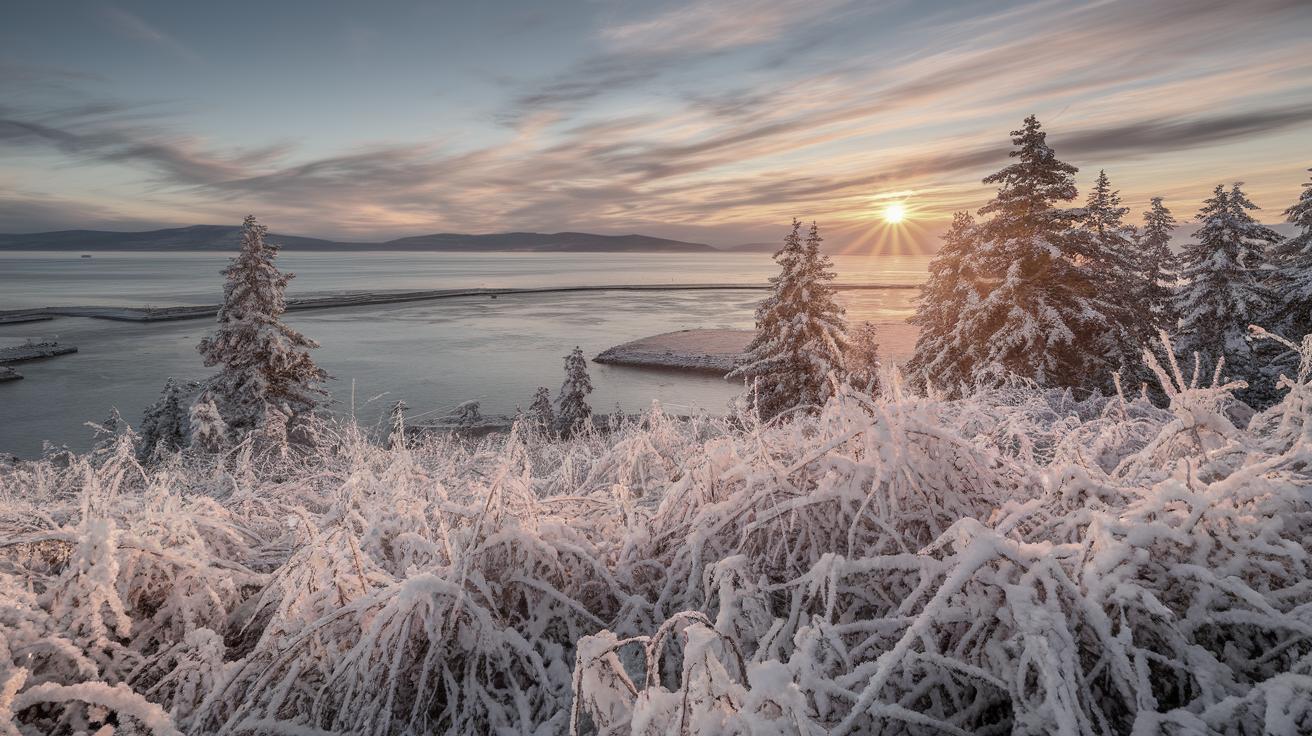
When Will It Be Warm Again? A Canadian Weather Forecast
As the chill of winter begins to loosen its grip, many Canadians eagerly anticipate the warmer days ahead. However, the transition from winter to spring can be a complex process influenced by regional climatic conditions. This article delves into the expected weather patterns across Canada, from British Columbia’s wet conditions that delight skiers to Northern Canada’s enduring Arctic air. We’ll explore the fluctuations in temperature, precipitation, and potential weather-related challenges like flooding that various regions might face as spring unfolds. Join us as we navigate the path to warmer days in Canada.
British Columbia
British Columbia is known for its unique climate, which often provides relief from the harshness of Canadian winters seen elsewhere. As we progress into spring, the province will witness a continuation of cool, wet conditions that have been common throughout the winter months. These conditions remain a beacon of good news for the skiing community, as they contribute to an extended ski season in the mountainous regions. With ample snowfall and consistent temperatures, ski resorts are expecting a robust continuation of their operations.
However, for those eager to see the arrival of spring warmth, patience will be key. The forecast for British Columbia predicts persistent rains and cooler temperatures, especially in the coastal regions. While this may not be ideal for those longing for warmth, it is a vital factor in maintaining the lush landscapes British Columbia is famous for.
WATCH: Cool, wet conditions good news for skiers
The skiing conditions in British Columbia continue to receive praise, particularly among enthusiasts and professionals alike. The ongoing precipitation around the mountainous areas has contributed to some of the best ski conditions the region has seen in years. Ski resorts are not only attracting local visitors but also international travelers eager to experience the pristine, powdery slopes. Video updates from these areas emphasize the positive impact of the cool, wet weather on the winter sports industry.
Alberta
Transitioning to Alberta, the arrival of spring heralds a period of significant change. The province can expect milder conditions than those experienced during the winter months, though temperature swings will test the patience of the local population. These swings are typical of Alberta’s climate, especially during the transition from winter to spring. As the snow begins to melt, the prospects for spring activities and agriculture become increasingly promising.
Despite the promise of warmth, residents are reminded to remain vigilant for sudden drops in temperature and precipitation that can occur without much warning. These variations have the potential to affect travel plans and outdoor activities dramatically, making it essential for residents to stay updated with the latest weather forecasts.
WATCH: What spring has in store for Alberta, Saskatchewan and Manitoba
As part of a regional outlook, Alberta, along with Saskatchewan and Manitoba, are gearing up for a spring characterized by gradual warming trends and increased precipitation. This shared outlook hints at an exciting prospect for wetter springs, which are crucial for agricultural productivity across these provinces. A video update delves into the specifics of what residents can expect and how to prepare for the seasonal shift, providing detailed insights into weather patterns, potential risks, and opportunities.
Saskatchewan and Manitoba
Saskatchewan and Manitoba are anticipated to experience a mix of weather patterns as spring approaches. Known for their wide-open plains and agricultural significance, these provinces benefit significantly from the consistent arrival of spring rains. The wetter spring forecast suggests a favorable outcome for the agrarian economies, with adequate moisture ensuring promising crop yields.
Nevertheless, farmers and residents must be prepared for the inevitable fluctuations that spring can bring. The transition period could see oscillating temperatures that may pose challenges for planting and other agricultural activities. The importance of planning and preparation cannot be understated as these provinces gear up for the agricultural season.
Ontario
Ontario is poised for a spring of temperature swings that will test the resolve of its residents. As one of Canada’s most populous provinces, the weather changes here can impact a vast amount of people and activities. The early stages of spring will likely bring about fluctuating temperatures that oscillate between unseasonably warm days and cooler spells.
This season’s unpredictability may require Ontarians to remain adaptable and expect the unexpected. Whether it’s snow flurries or balmy afternoons, residents are reminded to stay informed and flexible in the face of diverse weather experiences.
WATCH: Temperature swings will test your patience in Ontario
In a detailed update, meteorologists elaborate on the dynamic nature of Ontario’s spring weather, emphasizing the need for preparedness. By examining past weather patterns and utilizing advanced forecasting technology, they provide a clearer picture of what residents can expect. This anticipation of abrupt changes serves as a useful guide for planning both daily activities and longer-term ventures.
Quebec
In Quebec, the transition into spring is accompanied by an optimistic outlook. Favorable climate predictions indicate a reduced risk of widespread flooding across the province this year. With the warming trend expected to reduce the snow cover gradually, concerns related to abrupt snowmelt and subsequent flooding are diminished significantly.
As Quebec inches closer to the warmer months, the focus shifts towards resuming outdoor activities and embracing the cultural vibrancy that defines the region. With the reduced flood risk, residents are encouraged to enjoy the gradual transition of seasons, indulging in traditional spring events and celebrations.
WATCH: There’s a reduced risk of widespread flooding across Quebec this spring
Weather specialists have provided a reassuring analysis for Quebec’s spring weather forecast. By leveraging historical data and current climatic conditions, experts predict a smoother transition into spring with minimal disruptions. Corresponding video footage highlights the key factors contributing to the reduced flood risk, providing residents with a sense of relief and confidence in planning for the season ahead.
New Brunswick, P.E.I., and Nova Scotia
The Maritime provinces of New Brunswick, P.E.I., and Nova Scotia are preparing for a spring where flooding is a considerable concern. Due to fluctuating temperatures, there is an increased risk of water levels rising as the snow and ice begin to thaw. Residents, particularly those in flood-prone areas, need to remain cautious and prepared.
The forecast suggests a cautious optimism as measures and warnings are in place to minimize potential damage. With adequate monitoring and community efforts, the safety and well-being of residents can be ensured as the provinces transition into warmer months.
WATCH: Some flooding is of concern this spring
Weather forecasts have highlighted the potential for flooding across the Maritime provinces, drawing attention to the community strategies activated in response. Government and local agencies collaborate to provide resources and information to assist communities in mitigating flood impacts. This preparatory approach is detailed in video segments that emphasize the essential steps for readiness and response across these regions.
Newfoundland and Labrador
Newfoundland and Labrador are poised for variable spring weather, with the potential for both pleasant days and lingering cold spells. The proponents of a vibrant spring await longer daylight and moderate temperatures, eagerly anticipating the thaw that will unveil the region’s quaint landscapes.
However, this province should also brace for the unpredictable weather patterns that can bring about rapid temperature changes and precipitation. Taking a proactive stance is key, with locals relying on timely weather updates to navigate through the season effectively.
Northern Canada
Northern Canada faces a unique climatic challenge as it transitions from winter’s frozen embrace to the mildness of spring. The enduring Arctic air is a staple of this region’s climate, often lingering well into the traditional spring months. Residents here will continue to experience cold temperatures, with a gradual warming trend expected as the season progresses.
The persistence of the Arctic air often results in extended winter activities and poses additional challenges for communities adapted to the cold. Those in Northern Canada are reminded to prepare for late thaws and continue their reliance on strategies developed for winter living.
WATCH: How long will the cold Arctic air last?
Business Insider provides a comprehensive overview of the Arctic air’s persistence in Northern Canada, capturing the distinct experience of awaiting spring. Through meteorological analyses and community insights, the video discusses the nuanced impacts of prolonged cold and the anticipatory strategies in place, offering a realistic expectancy timeline for residents.
Lessons Learned
| Region | Key Points |
|---|---|
| British Columbia | Cool, wet conditions; extended ski season; lush landscapes. |
| Alberta | Temperature swings; promising agricultural prospects. |
| Saskatchewan and Manitoba | Wetter conditions beneficial for crops; prepare for temperature fluctuations. |
| Ontario | Dynamic temperature changes; prepare for unexpected weather patterns. |
| Quebec | Reduced flood risk; smooth transition into spring. |
| New Brunswick, P.E.I., and Nova Scotia | Flooding concerns; community preparedness crucial. |
| Newfoundland and Labrador | Variable weather; prepare for rapid changes. |
| Northern Canada | Persistent Arctic air; slow transition into spring. |