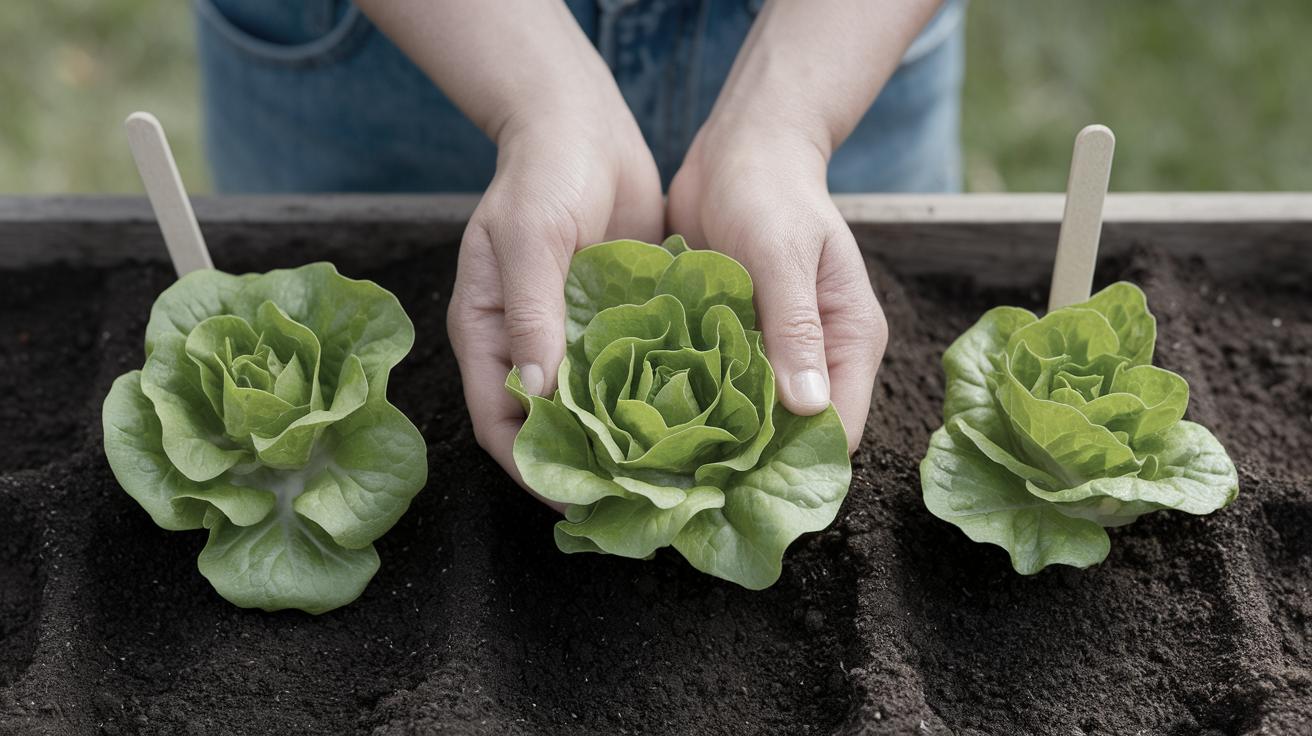
Growing lettuce from seed delivers fresh, nutrient-rich greens to your table while providing complete control over your harvest quality and timing.
How to Grow Lettuce From Seed
Lettuce cultivation represents one of the most accessible entry points into home gardening, offering exceptional adaptability across diverse growing environments. Whether you’re working with traditional garden beds, raised planters, or container systems on urban balconies, lettuce demonstrates remarkable resilience and consistent performance. Modern lettuce varieties have been specifically developed to thrive in various microclimates while maintaining rapid growth cycles and minimal maintenance requirements.
Successful lettuce seed germination requires three fundamental components: premium-quality seeds with high viability rates, nutrient-dense growing medium with proper drainage characteristics, and optimal light exposure conditions. Cool-season vegetables like lettuce perform exceptionally well when planted during periods of moderate temperatures, making strategic timing crucial for maximizing both yield and leaf quality. Understanding these core requirements establishes the foundation for consistent harvesting success throughout multiple growing seasons.
Essential Soil Requirements for Lettuce Success
Soil preparation for lettuce cultivation demands attention to pH levels between 6.0-7.0, ensuring optimal nutrient uptake and root development. Well-draining soil amended with organic compost provides the loose, fertile environment that lettuce roots require for rapid establishment. Research from agricultural extension services indicates that soil temperature between 45-65°F promotes the most vigorous germination rates.
Incorporating aged compost or well-rotted manure improves soil structure while providing slow-release nutrients throughout the growing cycle. Soil testing before planting reveals any deficiencies in essential nutrients like nitrogen, phosphorus, and potassium, allowing for targeted amendments that support healthy leaf development.
When to Plant Lettuce Seeds
Optimal planting timing for lettuce seeds begins as early as soil workability allows in spring, typically when soil temperatures consistently reach 35-40°F. Different lettuce cultivars including Romaine, Butterhead, Iceberg, and Looseleaf varieties share similar temperature preferences, though some demonstrate enhanced cold tolerance or heat resistance based on their genetic characteristics.
Succession planting strategies involve sowing new seeds every 10-14 days throughout the growing season, ensuring continuous harvest availability while preventing overwhelming abundance at any single time. This methodical approach extends the productive harvest window from early spring through late fall in most temperate climates, maximizing garden efficiency and fresh produce availability.
Seasonal Planting Calendar for Maximum Yield
Spring planting typically begins 2-4 weeks before the last expected frost date, taking advantage of lettuce’s exceptional cold tolerance. Fall cultivation often produces superior flavor profiles as cooler temperatures concentrate sugars while reducing bitter compounds that develop during hot weather stress.
Summer growing requires careful variety selection, focusing on heat-resistant cultivars and implementing shade protection during peak temperature periods. Many experienced gardeners achieve year-round production by combining outdoor growing with protected cultivation methods like cold frames or hoop tunnels.
How to Plant Lettuce Seeds
Seed sowing techniques for lettuce involve creating shallow furrows approximately ¼ inch deep, allowing for proper soil contact while maintaining access to light required for germination. Seeds should be distributed evenly along prepared rows or broadcast across designated growing areas, then lightly covered with fine soil or vermiculite to prevent drying while permitting light penetration.
Moisture management during the germination phase requires consistent but not excessive watering, maintaining soil dampness without creating waterlogged conditions that promote fungal diseases. Seed spacing recommendations vary by variety, but initial dense sowing followed by systematic thinning produces the strongest plants while maximizing space utilization efficiency.
Advanced Seeding Methods for Professional Results
Direct seeding in prepared garden beds offers the advantage of eliminating transplant shock while allowing roots to develop naturally in their permanent growing location. Indoor seed starting provides greater control over germination conditions and extends the growing season, particularly valuable in regions with short outdoor growing windows.
Transplanting techniques require careful handling of delicate lettuce seedlings, typically performed when plants develop 2-3 true leaves beyond the initial cotyledons. Hardening off seedlings gradually over 7-10 days prevents shock and ensures successful establishment in outdoor conditions.
Watering and Fertilization Best Practices
Irrigation scheduling for lettuce focuses on maintaining consistent soil moisture without creating saturated conditions that encourage root rot or fungal infections. Drip irrigation systems or soaker hoses deliver water directly to root zones while keeping foliage dry, reducing disease pressure and water waste.
Nutrient management throughout the growing cycle emphasizes nitrogen availability for robust leaf development, typically provided through balanced organic fertilizers or compost applications. Side-dressing with additional nitrogen sources during active growth phases supports continued production, especially important for cut-and-come-again harvesting methods.
Plant Pests and How to Protect Lettuce Against Them
Common lettuce pests include aphids, slugs, snails, cutworms, and flea beetles, each requiring specific management strategies for effective control. Integrated pest management approaches combine multiple control methods, reducing reliance on chemical interventions while maintaining healthy plant populations and beneficial insect diversity.
Physical barriers such as copper tape, diatomaceous earth, and row covers provide immediate protection against crawling pests while allowing air circulation and light penetration. Regular monitoring and early intervention prevent minor pest issues from developing into crop-threatening infestations that require more intensive management efforts.
Organic Pest Control Solutions
Beneficial insects including ladybugs, lacewings, and parasitic wasps provide natural aphid control when encouraged through diverse plantings and pesticide-free environments. Companion planting with aromatic herbs creates natural pest deterrent effects while supporting overall garden ecosystem health and biodiversity.
Organic sprays using neem oil, insecticidal soap, or homemade garlic-pepper solutions offer targeted pest control with minimal environmental impact. Application timing during cooler parts of the day prevents leaf burn while maximizing effectiveness against target pest species.
Disease Prevention Strategies
Fungal disease prevention relies heavily on proper air circulation, avoiding overhead watering, and maintaining appropriate plant spacing to reduce humidity around foliage. Crop rotation practices prevent soil-borne pathogen buildup while maintaining soil health through diverse root systems and nutrient cycling.
Sanitation practices including removal of diseased plant material and tool sterilization between plants prevent disease spread throughout the garden. Selecting disease-resistant varieties provides additional protection against common lettuce ailments like downy mildew and lettuce drop.
Companion Plants for Growing Lettuce
Strategic companion planting maximizes garden space efficiency while creating beneficial plant relationships that enhance growth, pest control, and soil health. Root zone compatibility ensures that companion plants don’t compete directly for nutrients and water, instead utilizing different soil layers and resource requirements.
Beneficial companions for lettuce include carrots, radishes, chives, garlic, and onions, which provide natural pest deterrent properties while optimizing vertical space utilization. These combinations create diverse root depths and canopy structures that support healthy soil biology and efficient resource utilization.
Herb Companions for Natural Pest Control
Aromatic herbs such as basil, cilantro, dill, and parsley planted near lettuce beds release natural compounds that repel common pests while attracting beneficial insects. Interplanting strategies position these herbs at regular intervals throughout lettuce plantings, creating protective zones while providing additional harvest opportunities.
Flowering companions like marigolds, nasturtiums, and calendula serve dual purposes as pest deterrents and pollinator attractants, supporting overall garden ecosystem health. These colorful additions enhance garden aesthetics while providing practical benefits for lettuce production and general garden biodiversity.
Vegetable Combinations for Space Efficiency
Quick-growing vegetables such as radishes and spinach can be interplanted with lettuce to maximize harvest from limited space while providing natural soil aeration through diverse root systems. Succession planting of these fast-maturing crops ensures continuous production throughout the growing season.
Vertical companions including peas, beans, and climbing varieties utilize overhead space while providing beneficial nitrogen fixation for lettuce plants below. These combinations create productive polycultures that mimic natural plant communities while maximizing food production per square foot.
When to Harvest Lettuce
Harvest timing indicators include leaf size, plant maturity, and seasonal conditions, with most lettuce varieties reaching optimal harvest stage 45-80 days from seeding depending on cultivar and growing conditions. Peak quality occurs when leaves achieve full size while maintaining tender texture and mild flavor profiles before heat stress triggers bolting responses.
Visual assessment of lettuce readiness involves examining leaf color, texture, and overall plant structure, avoiding harvest during periods of excessive heat or water stress that can compromise flavor and storage quality. Seed packet information provides variety-specific guidance, but local growing conditions may accelerate or delay optimal harvest timing.
Variety-Specific Harvest Guidelines
Head lettuce varieties like Iceberg and Butterhead require full head formation before harvest, typically indicated by firm, well-developed centers and outer leaf maturity. Leaf lettuce types including Looseleaf and Oak Leaf varieties offer more flexible harvest timing, allowing for both baby leaf and mature leaf collection.
Romaine lettuce reaches optimal harvest when heads achieve 6-8 inches in height with tightly packed inner leaves, while maintaining crisp texture and sweet flavor characteristics. Timing harvest before flower stalk development prevents bitter flavor development and maintains desirable eating quality.
How to Harvest Lettuce so It Keeps Growing
Cut-and-come-again harvesting maximizes production from individual plants by selectively removing outer leaves while preserving the growing crown and inner leaf development. This sustainable harvesting method extends productive life of lettuce plants by 4-6 weeks beyond traditional single-harvest approaches, significantly increasing total yield per plant.
Proper cutting techniques involve using clean, sharp tools to remove outer leaves at their base, leaving at least 1 inch of stem to prevent damage to the growing point. Regular harvesting every 3-5 days encourages continued leaf production while preventing over-maturity that leads to bitter flavors and tough textures.
Maximizing Continuous Production
Selective harvesting focuses on removing the largest, most mature leaves first while allowing smaller inner leaves to continue developing, maintaining plant vigor and extending productive harvest periods. Rotation harvesting among multiple plants ensures consistent fresh lettuce availability while allowing individual plants recovery time between harvests.
Plant maintenance during extended harvest periods includes regular watering, light fertilization, and monitoring for pest or disease issues that could compromise continued production. Removing any damaged or diseased leaves promptly prevents problems from spreading to healthy plant portions.
How to Make Lettuce Last Longer
Post-harvest handling significantly impacts lettuce storage life and quality retention, beginning with proper harvesting during cooler parts of the day when plant tissues contain maximum moisture content. Immediate cooling after harvest removes field heat and slows metabolic processes that lead to quality deterioration and shortened storage life.
Washing and preparation techniques involve gentle cleaning in cool water followed by thorough drying using salad spinners or clean towels to remove excess moisture that promotes bacterial growth. Proper storage containers with appropriate humidity control maintain optimal conditions for extended freshness while preventing wilting and decay.
Professional Storage Techniques
Refrigeration strategies utilize crisper drawers set to high humidity levels, maintaining temperatures between 32-36°F for maximum storage life extension. Modified atmosphere storage using perforated plastic bags or specialized produce storage containers creates optimal gas exchange while preventing moisture loss.
Preparation methods for long-term storage include removing damaged outer leaves, avoiding cutting until ready to use, and storing different lettuce varieties separately due to varying storage requirements. These professional techniques can extend fresh lettuce storage from days to 2-3 weeks under optimal conditions.
Quality Preservation Methods
Moisture management during storage involves maintaining adequate humidity without creating conditions that promote bacterial or fungal growth, often achieved through paper towel absorption methods or specialized storage containers. Temperature consistency prevents cellular damage from freeze-thaw cycles that compromise texture and nutritional value.
Ethylene sensitivity requires storing lettuce away from ethylene-producing fruits like apples, bananas, and tomatoes that accelerate aging and quality deterioration. Understanding these storage interactions helps maintain optimal lettuce quality throughout extended storage periods.
How to Grow Garden Vegetables Series
Expanding your gardening knowledge through comprehensive vegetable growing guides provides the foundation for creating diverse, productive home gardens that supply fresh produce throughout multiple growing seasons. Progressive skill development from simple crops like lettuce to more complex vegetables builds confidence and expertise while maximizing garden productivity and food security benefits.
Comprehensive growing guides in our vegetable series address specific requirements for popular garden crops, including detailed planting schedules, care instructions, and harvest techniques tailored to different experience levels and garden configurations. These resources support gardeners in developing sustainable food production systems adapted to local growing conditions and personal preferences.
Advanced Growing Techniques for Expert Results
Hydroponic lettuce production offers year-round growing potential with faster growth rates and higher yields compared to traditional soil cultivation methods. Nutrient film technique and deep water culture systems provide precise control over growing conditions while eliminating soil-borne pest and disease issues.
Season extension methods including cold frames, row covers, and greenhouse cultivation enable fresh lettuce production throughout winter months in most climates. These protected growing environments maintain optimal temperatures while providing protection from harsh weather conditions that limit outdoor production.
Troubleshooting Common Growing Problems
Bolting prevention involves selecting appropriate varieties for seasonal conditions, providing adequate water during stress periods, and implementing shade protection during excessive heat. Bitter flavor development typically results from water stress, excessive heat, or over-mature harvesting, all preventable through proper management practices.
Germination failures often stem from improper soil temperature, excessive moisture, or poor seed quality, requiring attention to environmental conditions and seed source selection. Understanding these common issues enables quick problem resolution and improved growing success rates.
Final Thoughts
| Section | Content Summary | Key Benefits |
|---|---|---|
| How to Grow Lettuce From Seed | Comprehensive introduction covering adaptability, soil requirements, and fundamental growing principles for successful lettuce cultivation | Foundation knowledge for consistent growing success across diverse environments |
| When to Plant Lettuce Seeds | Detailed timing guidance including succession planting strategies and seasonal considerations for continuous harvest | Maximized growing season and steady fresh produce supply |
| How to Plant Lettuce Seeds | Step-by-step seeding instructions covering direct sowing, transplanting, and advanced cultivation techniques | Professional-quality results with optimal germination and establishment rates |
| Plant Pests and How to Protect Lettuce Against Them | Comprehensive pest identification and integrated management strategies using organic and sustainable methods | Healthy crops with minimal chemical intervention and environmental impact |
| Companion Plants for Growing Lettuce | Strategic plant combinations for enhanced growth, natural pest control, and space optimization | Increased garden productivity and ecosystem health through beneficial plant relationships |
| When to Harvest Lettuce | Variety-specific harvest timing and quality indicators for optimal flavor and nutritional value | Peak quality produce with maximum nutritional benefits and eating satisfaction |
| How to Harvest Lettuce so It Keeps Growing | Cut-and-come-again techniques for extended production and sustainable harvesting practices | Continuous fresh lettuce supply with 4-6 times greater yield per plant |
| How to Make Lettuce Last Longer | Professional post-harvest handling and storage techniques for extended freshness and quality retention | Reduced food waste and extended enjoyment of homegrown produce |
| How to Grow Garden Vegetables Series | Introduction to comprehensive vegetable growing resources for expanding garden diversity and expertise | Progressive skill development and increased food security through diverse crop production |