When to Plant Cucumbers in Pennsylvania
Planting cucumbers in Pennsylvania requires an understanding of the climate and optimal growing conditions. This informative blog will explore the specifics of greenhouse growing, including the ideal planting conditions, starting your cucumber plants indoors, and the best practices for transplanting seedlings. Additionally, we will discuss general care and maintenance to ensure your cucumbers thrive. Fertilization is key to successful cucumber cultivation, and we’ll delve into the best strategies for feeding your plants. With the guidance provided, you will be well-prepared to cultivate healthy and abundant cukes in your Pennsylvania garden.
Greenhouse Growing
Planting Conditions
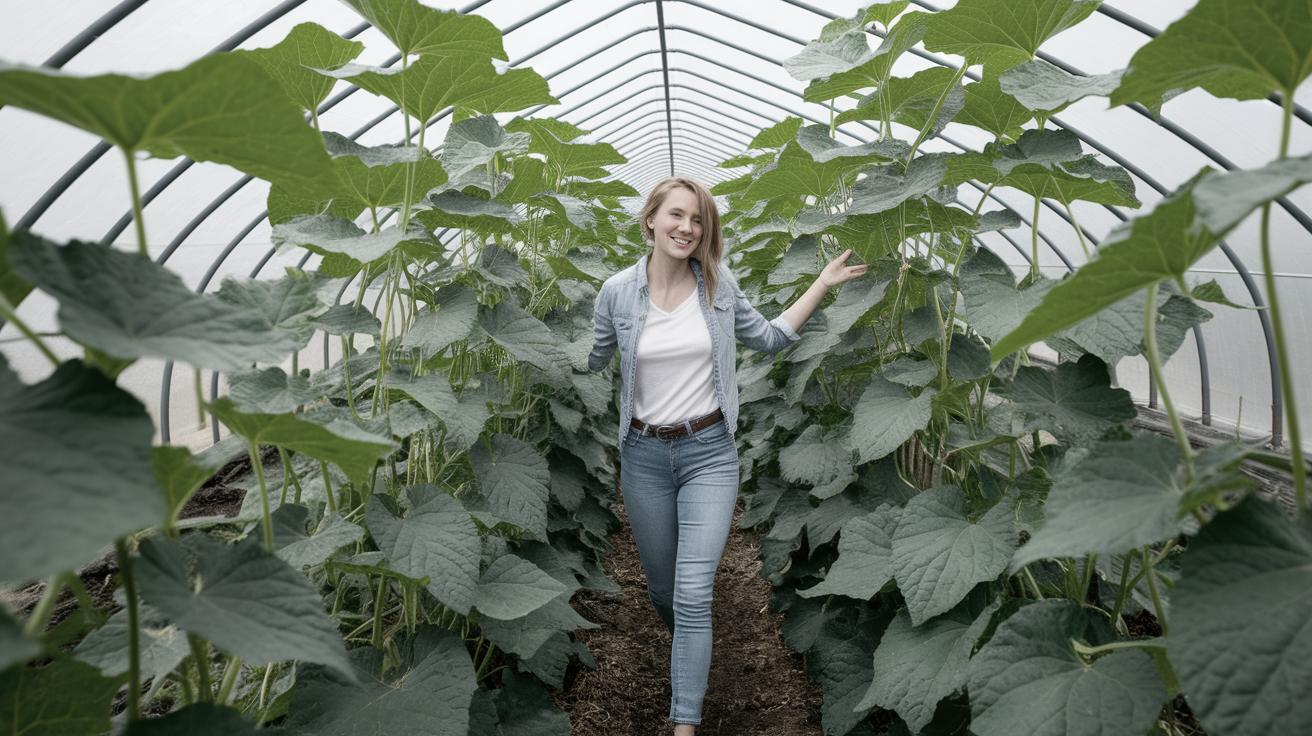
When growing cucumbers in a greenhouse setting, the planting conditions are critical to their success. Cucumbers thrive in warm, slightly humid environments, making a greenhouse an ideal location. The optimal temperature for growing cucumbers is between 70°F and 85°F during the day with slightly cooler temperatures at night. Ensure your greenhouse maintains these conditions to promote healthy growth.
In terms of soil, cucumbers prefer a well-draining, fertile soil enriched with organic matter. Before planting, amend the soil with compost or well-rotted manure to improve its nutrient content. A soil pH between 6.0 and 7.0 is ideal. Monitoring the greenhouse humidity and ensuring adequate ventilation will also help prevent common greenhouse diseases such as powdery mildew.
Starting Cucumbers Indoors
Starting cucumber seedlings indoors can give you a head start on the growing season. Begin by sowing cucumber seeds 4-6 weeks before the last expected frost in your area. Pennsylvania’s final frost typically occurs in late April or early May, so plan your indoor planting accordingly. Use small pots or seed trays filled with a light potting mix to provide a hospitable environment for germination.
Ensure that your seedlings receive plenty of light, either by placing them on a sunny windowsill or using grow lights if natural light is insufficient. Consistent watering is crucial at this stage; keep the soil evenly moist but not waterlogged to prevent damping-off, a common fungal problem in seedlings.
Transplanting Cucumber Seedlings
Transplant cucumber seedlings into the greenhouse when they have two to three true leaves and the threat of frost has passed. Acclimate them gradually to outdoor conditions by hardening them off. This involves moving the plants outside for increasing periods each day over a week, allowing them to adjust to the change in temperature and wind exposure.
When transplanting in the greenhouse, space the seedlings about 12-18 inches apart to give them ample room to grow. Placing a trellis or support system nearby will help your plants climb and conserve space, facilitating better air circulation and reducing the risk of disease. After transplanting, water the seedlings well to help them establish in their new environment.
General Care and Maintenance
Caring for cucumber plants involves regular watering, mulching, and pest management. Cucumbers need consistent moisture, so water them deeply once or twice a week, more often during dry spells. Mulching with straw or bark chips can help retain soil moisture and prevent weed growth.
Monitor for common pests such as aphids, spider mites, and cucumber beetles. Regular inspections and the use of insecticidal soap can help control an infestation. Additionally, keeping the greenhouse clean and removing plant debris will minimize pest and disease issues.
Fertilizer
Fertilization plays a crucial role in growing healthy cucumber plants. Before planting, incorporate a balanced fertilizer into the soil to provide essential nutrients. A common recommendation is a 10-10-10 fertilizer, which supplies equal parts nitrogen, phosphorus, and potassium for balanced growth.
Once cucumbers have established themselves, additional feeding can support fruit production. Apply a side dressing of fertilizer when the plants begin to bloom and again when fruits form. Organic options, such as fish emulsion or a kelp-based fertilizer, can also provide necessary nutrients without chemical buildup in the soil.
Be cautious with over-fertilization, especially with nitrogen, as it can lead to excessive foliage growth at the expense of fruit development. Always follow the manufacturer’s instructions on the fertilizer package for the correct dosage and application frequency.
Next Steps
| Section | Details |
|---|---|
| Greenhouse Growing |
Temperature: 70°F-85°F, Soil: Well-draining with organic matter, pH: 6.0-7.0 Indoor Start: 4-6 weeks before the last frost Transplanting: Harden off, Space: 12-18 inches, Support: Trellis Care: Water weekly, Mulch, Pest monitoring |
| Fertilizer |
Pre-plant: Balanced fertilizer (10-10-10) After establishment: Side dressing at bloom and fruit set Organic options: Fish emulsion, Kelp-based fertilizers |