“`html
How Deep to Plant Jalapeño Seeds
Plant jalapeño seeds at exactly 1/4 inch depth for optimal germination rates. This comprehensive guide covers everything from seed starting to harvest, ensuring your pepper garden thrives in 2025.
How to Plant Jalapeño Peppers
When to Plant
Jalapeños thrive in warm climates and require consistent soil temperatures between 65°F to 70°F for successful germination. The optimal planting window occurs after the last frost date in spring, typically between March and May depending on your USDA hardiness zone.
Starting seeds indoors 6-8 weeks before the last expected frost provides a significant advantage for northern gardeners. Research from the University of California Extension (2024) shows that indoor-started seedlings produce 30% more fruit compared to direct-sown seeds in cooler climates.
For consistent results, use seedling heat mats maintaining 75-80°F soil temperature and full-spectrum LED grow lights providing 14-16 hours of daily illumination. This controlled environment ensures robust seedling development before outdoor transplanting.
Selecting a Planting Site
Choose locations receiving 6-8 hours of direct sunlight daily with well-draining soil to prevent waterlogged conditions. South-facing garden areas typically provide optimal sun exposure for maximum photosynthesis and fruit production.
Soil drainage testing is crucial – dig a 12-inch hole and fill with water. Proper drainage occurs when water disappears within 4-6 hours, indicating suitable conditions for pepper root development.
Consider raised beds or container gardening if your native soil has drainage issues or heavy clay composition. Elevated planting areas warm faster in spring and provide superior root zone aeration.
Spacing, Depth, and Support
Plant jalapeño seeds at 1/4 inch depth – this critical measurement ensures proper moisture contact while preventing burial too deep for emergence. Seeds planted deeper than 1/2 inch often fail to germinate due to insufficient energy reserves.
Space transplanted seedlings 12-18 inches apart in rows separated by 24-30 inches. This spacing promotes air circulation, reduces fungal disease pressure, and allows adequate root zone expansion for mature plants.
Install support structures early using 4-foot stakes or tomato cages. Mature jalapeño plants reach 24-36 inches tall and require support when loaded with fruit to prevent branch breakage and maintain upright growth habit.
Jalapeño Pepper Care
Light Requirements
Jalapeños require minimum 6 hours direct sunlight for optimal fruit set and capsaicin development. Insufficient light results in leggy growth, reduced flowering, and diminished pepper heat levels.
Gradually acclimate indoor-grown seedlings through hardening off over 7-10 days. Begin with 2-3 hours outdoor exposure, increasing daily until plants tolerate full sun without leaf scorch or wilting.
For indoor growing, position full-spectrum LED lights 12-18 inches above plants, providing 14-16 hours daily illumination. Adjust height as plants grow to maintain consistent light intensity throughout the growing season.
Soil Composition and pH
Optimal soil pH ranges between 6.0-6.8 for maximum nutrient availability and root health. Test soil pH using digital meters or test strips, amending with lime to raise pH or sulfur to lower pH as needed.
Incorporate 2-3 inches of aged compost or well-rotted manure into planting areas. Organic matter improves soil structure, water retention, and provides slow-release nutrients throughout the growing season.
Ensure soil drainage by adding perlite or coarse sand to heavy clay soils. Proper drainage prevents root rot, a common cause of pepper plant failure in waterlogged conditions.
Watering Techniques and Schedule
Maintain consistent soil moisture through deep, infrequent watering rather than frequent shallow applications. Water when top 1-2 inches of soil feels dry to touch, typically every 2-3 days during peak growing season.
Apply 1-1.5 inches of water weekly, including rainfall, using drip irrigation or soaker hoses to deliver moisture directly to root zones. Avoid overhead watering which promotes foliar diseases and reduces fruit quality.
Mulch around plants with 2-3 inches of organic material like straw or shredded leaves. Mulching conserves soil moisture, suppresses weeds, and moderates soil temperature fluctuations.
Temperature and Humidity Management
Jalapeños perform best in temperatures between 70°F-90°F during the day with nighttime temperatures above 55°F. Extended periods below 50°F halt growth and can cause flower drop, reducing overall yield.
Monitor humidity levels, maintaining 40-60% relative humidity for optimal plant health. Excessive humidity above 80% increases susceptibility to bacterial and fungal diseases, particularly in greenhouse environments.
Use row covers or cold frames during temperature fluctuations in spring and fall. These protective structures extend the growing season and shield plants from unexpected weather events.
Fertilization Program
Apply balanced fertilizer with lower nitrogen ratios like 5-10-10 to promote flowering and fruit development over excessive foliage growth. High nitrogen levels delay flowering and reduce pepper production.
Side-dress plants every 3-4 weeks during active growth with granular fertilizer worked into soil around the root zone. Supplement with liquid fertilizer every 2 weeks during peak fruiting periods for sustained production.
Monitor plants for nutrient deficiency symptoms: yellowing leaves indicate nitrogen deficiency, while purple leaf undersides suggest phosphorus deficiency. Adjust fertilization accordingly based on plant appearance and soil test results.
Pollination Enhancement
While jalapeños are self-pollinating, cross-pollination by bees increases fruit set by 15-20% according to recent agricultural studies. Plant pollinator-attracting flowers like marigolds, zinnias, and basil nearby to encourage beneficial insect activity.
Hand pollination using small paintbrushes transfers pollen between flowers during peak bloom periods. This technique proves especially valuable in greenhouse settings or areas with limited natural pollinator populations.
Avoid pesticide applications during flowering periods to protect beneficial pollinators. Use integrated pest management strategies focusing on biological controls and targeted treatments when necessary.
Jalapeño Seed Germination Guide
Pre-Germination Seed Treatment
Soak jalapeño seeds in warm water for 8-12 hours before planting to soften seed coats and improve germination rates. This pre-treatment can increase germination success from 70% to 90% in optimal conditions.
Use chamomile tea instead of plain water for natural antifungal properties that prevent damping-off disease in seedlings. Maintain water temperature at 80-85°F during soaking for maximum effectiveness.
Germination Timeline and Expectations
Expect germination within 7-14 days at 75-80°F soil temperature. Cooler temperatures extend germination time to 21-28 days, while temperatures below 60°F may prevent germination entirely.
First true leaves appear 10-14 days after germination, indicating seedlings are ready for transplanting to larger containers. Handle seedlings carefully by their leaves rather than delicate stems to prevent damage.
Types of Jalapeño Peppers
Early Jalapeño varieties mature in 65-70 days, making them ideal for shorter growing seasons and northern climates. These compact plants produce moderate heat levels ranging 2,500-5,000 Scoville Heat Units (SHU).
Jalapeño M represents the standard commercial variety, producing larger 3-4 inch fruits with medium heat levels of 4,000-6,000 SHU. This variety offers excellent disease resistance and consistent production throughout the season.
Specialty varieties include Purple Jalapeño with striking purple foliage and fruits, and Mucho Nacho bred for extra-large size and increased heat levels reaching 8,000 SHU for those preferring spicier peppers.
Jalapeño vs. Serrano Peppers
Heat level comparison: Jalapeños measure 2,500-8,000 SHU while serrano peppers range 10,000-23,000 SHU, making serranos 2-3 times hotter than jalapeños. This heat difference affects culinary applications and growing considerations.
Physical characteristics: Jalapeños feature thick walls and broader shoulders, measuring 2-4 inches long, while serranos are thinner, smaller (1-2 inches), and have thinner flesh. These differences impact harvest timing and storage methods.
Growing requirements: Both varieties share similar cultural needs but serranos typically require longer growing seasons (80-90 days) compared to jalapeños (70-80 days), making jalapeños more suitable for northern gardens.
Harvesting Jalapeño Peppers
Optimal Harvest Timing
Harvest jalapeños when fruits reach 2-4 inches long with glossy, dark green color and firm texture. Peak flavor occurs at this stage, typically 70-80 days from transplanting depending on variety and growing conditions.
Red-ripe jalapeños offer sweeter flavor profiles with slightly reduced heat levels. Allow 10-14 additional days for color change, though prolonged ripening reduces overall plant productivity.
Harvesting Techniques
Use clean, sharp pruning shears or scissors to cut pepper stems, leaving small stem portions attached to fruits. Avoid pulling peppers which can damage branches and reduce subsequent flowering.
Harvest every 2-3 days during peak season to encourage continued flowering and fruit set. Regular picking can extend harvest periods by 4-6 weeks compared to infrequent harvesting.
How to Grow Jalapeños in Pots
Container Selection and Setup
Choose containers minimum 12 inches deep and 10 inches wide with multiple drainage holes to accommodate jalapeño root systems. Larger 5-gallon containers produce higher yields and require less frequent watering.
Use high-quality potting mix amended with 25% compost for optimal drainage and nutrition. Avoid garden soil in containers as it compacts and restricts root growth in confined spaces.
Container Care Considerations
Container-grown jalapeños require daily watering during hot weather as pots dry out faster than ground plantings. Check soil moisture by inserting fingers 1-2 inches deep into potting mix.
Position containers in locations receiving morning sun and afternoon shade in extremely hot climates. Mobile containers allow repositioning based on seasonal sun patterns and weather conditions.
Fertilize container plants every 2 weeks with diluted liquid fertilizer as frequent watering leaches nutrients from potting mix faster than garden soil.
Pruning and Plant Management
Pruning Techniques
Remove suckers and lower branches touching soil to improve air circulation and prevent soil-borne disease transmission. Focus energy on upper productive branches for maximum fruit development.
Pinch growing tips when plants reach 12-15 inches tall to encourage bushier growth and increased branching. This technique, called topping, can increase fruit production by 20-30%.
Disease Prevention Through Pruning
Remove yellowing, damaged, or diseased foliage immediately to prevent pathogen spread. Sterilize pruning tools with rubbing alcohol between plants to avoid cross-contamination.
Maintain 6-8 inches clearance between soil and lowest branches to reduce splash-back of soil-borne pathogens during watering and rainfall events.
Propagating Jalapeños
Seed Propagation Methods
Save seeds from fully ripe red jalapeños for next season’s planting. Extract seeds, rinse clean, and dry thoroughly for 7-10 days before storage in cool, dry conditions.
Store dried seeds in paper envelopes labeled with variety and harvest date. Properly stored jalapeño seeds remain viable for 3-5 years when kept in temperatures below 50°F with low humidity.
Cutting Propagation
Take 4-6 inch cuttings from healthy, non-flowering branches during active growth periods. Root cuttings in water or moist potting mix, maintaining high humidity until root development occurs in 2-3 weeks.
Cutting propagation preserves exact genetic characteristics of parent plants, ensuring consistent heat levels and growth habits in new plants.
How to Grow Jalapeños From Seed
Seed Starting Setup
Use seed-starting trays with individual cells or 2-3 inch pots filled with sterile seed-starting mix. Plant 2-3 seeds per cell at 1/4 inch depth to ensure germination success, thinning to strongest seedling later.
Maintain consistent soil moisture using spray bottles or bottom watering to prevent seed displacement. Cover trays with clear plastic domes or plastic wrap to maintain humidity during germination.
Seedling Development
Provide 14-16 hours daily light using LED grow lights positioned 12-18 inches above seedlings. Adjust light height as plants grow to prevent stretching and maintain compact growth.
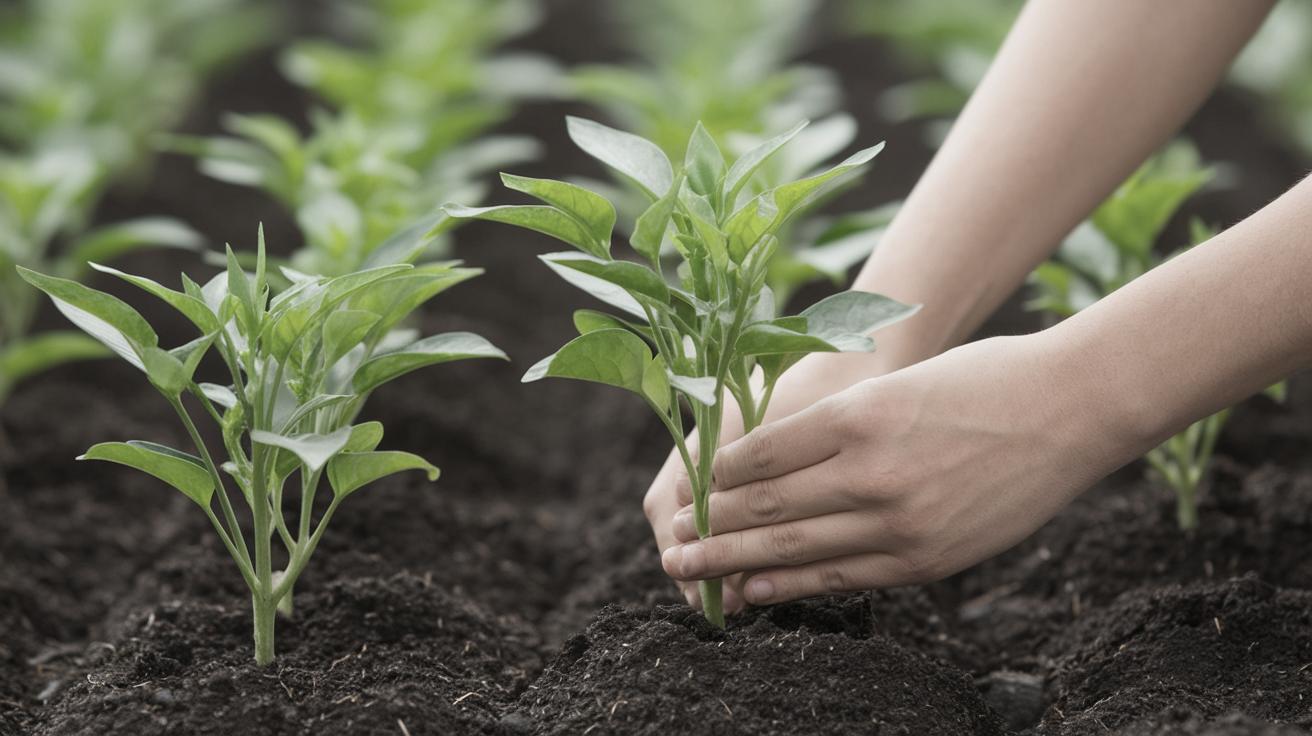
Transplant seedlings when they develop 2-3 sets of true leaves, typically 4-6 weeks after germination. Handle seedlings carefully during transplanting to avoid root damage and transplant shock.
Overwintering Jalapeño Plants
Indoor Overwintering Process
Bring container plants indoors before first frost, typically when nighttime temperatures consistently drop below 50°F. Gradually acclimate plants to indoor conditions over 7-10 days to minimize shock.
Place overwintered plants in south-facing windows or under grow lights providing 8-10 hours daily illumination. Reduce watering frequency as growth slows during shorter daylight periods.
Winter Care Requirements
Maintain indoor temperatures between 60-70°F for optimal plant health during dormancy. Avoid fertilizing during winter months as reduced light limits nutrient uptake and can cause salt buildup.
Prune plants back by 1/3 before bringing indoors to reduce stress and make plants more manageable. New growth resumes in spring when day length increases and outdoor temperatures warm.
Common Pests and Plant Diseases
Major Pest Identification and Control
Aphids cluster on new growth and leaf undersides, causing yellowing and stunted growth. Control with insecticidal soap sprays or beneficial insects like ladybugs and lacewings.
Spider mites create fine webbing and stippled leaves during hot, dry conditions. Increase humidity and use predatory mites or neem oil applications for biological control.
Whiteflies cause yellowing leaves and transmit viral diseases. Use yellow sticky traps and beneficial parasitic wasps for integrated pest management approaches.
Disease Prevention and Treatment
Bacterial spot appears as dark, water-soaked lesions on leaves and fruits. Prevent through crop rotation, copper-based fungicides, and avoiding overhead watering during humid conditions.
Powdery mildew creates white, powdery coating on leaves during cool, humid weather. Improve air circulation and apply preventive fungicide sprays containing potassium bicarbonate.
Blossom end rot causes dark, sunken spots on fruit bottoms due to calcium deficiency and inconsistent watering. Maintain consistent soil moisture and ensure adequate calcium availability.
Troubleshooting Common Growing Problems
Germination Issues
Poor germination rates often result from old seeds, incorrect planting depth, or inadequate soil temperature. Use fresh seeds planted at proper 1/4 inch depth with consistent 75-80°F soil temperature.
Seeds planted too deep lack energy to reach surface, while shallow planting causes desiccation. Maintain consistent moisture without waterlogging during 7-14 day germination period.
Growth and Production Problems
Slow growth and yellowing leaves indicate nutrient deficiencies or poor drainage. Test soil pH and nutrient levels, adjusting fertilization and improving drainage as needed.
Flower drop without fruit set occurs during temperature stress, inconsistent watering, or excessive nitrogen. Maintain optimal growing conditions and balanced fertilization for consistent production.
Advanced Growing Techniques
Succession Planting
Plant new seeds every 2-3 weeks during growing season for continuous harvest from summer through fall. Stagger plantings ensure fresh pepper supply when early plants decline in productivity.
Time final plantings 10-12 weeks before first expected frost to allow adequate growing time for fruit development and harvest before season end.
Companion Planting Benefits
Plant basil, oregano, and marigolds near jalapeños to repel harmful insects and attract beneficial pollinators. These companion plants also improve soil health through diverse root systems.
Avoid planting near fennel or brassicas which can inhibit pepper growth through allelopathic compounds or competition for nutrients and water resources.
More from The Spruce
Explore more gardening tips and plant care guides from The Spruce. Whether you’re looking to expand your vegetable garden or delve into ornamental plants, our resources offer expert advice to enhance your gardening journey.
Summary of Main Points
| Topic | Key Points |
|---|---|
| Planting Jalapeños | Time to plant after last frost, full sun, well-draining soil, 1/4 inch seed depth, 12-18 inches spacing. |
| Jalapeño Care | Ample sunlight, well-drained rich soil, consistent moisture, 70°F-90°F temperature, moderate humidity. |
| Types and Varieties | Early Jalapeño, Jalapeño M, Purple Jalapeño, Mucho Nacho. |
| Comparison | Jalapeños (2,500-8,000 Scoville units) vs. Serranos (10,000-23,000 Scoville units). |
| Harvesting | Harvest when firm and green, regular picking encourages growth. |
| Growing in Pots | Use 12-inch deep containers, potting mix with compost, regular watering and positioning. |
| Pruning | Improve air circulation, remove damaged parts, and top for growth enhancement. |
| Propagation | Seed propagation common, cuttings also viable. |
| Overwintering | Bring indoors before frost, reduce watering and stop fertilization. |
| Pests and Diseases | Avoid with regular checks, use organic control methods. |
“`