How Long for Beets to Grow: A Comprehensive Guide
Beets are a versatile and nutritious root vegetable enjoyed by gardeners and cooks alike. They can be grown in a variety of climates and have a relatively short growing cycle, making them a favorite among both novice and experienced gardeners. This blog post will provide a detailed guide on the lifecycle of beets, from planting to harvest. We’ll explore the optimal soil conditions, planting techniques, and care required to ensure your beet crop thrives. Additionally, you’ll learn how to troubleshoot common problems, determine the perfect time to harvest your beets, and store them for future use. Finally, discover creative ways to incorporate beets into your culinary repertoire, from salads to smoothies and beyond.
Quick Guide to Growing Beets
Beets are relatively easy to grow and take approximately 50 to 70 days to mature, depending on the variety and growing conditions. They thrive in cooler weather and can be planted in early spring or late summer for a fall harvest. The key to a successful beet crop is planting them in well-drained, fertile soil with a pH between 6.0 and 7.5.
When planning your beet garden, consider the fact that beets need full sun to develop properly. They can tolerate partial shade, but this might slow down their growth. To ensure an even crop, sow seeds thinly in rows about 12 to 18 inches apart, covering them with ½ inch of soil. Consistent moisture is important, especially during germination, which typically occurs within 7 to 14 days.
Soil, Planting, and Care
Beets thrive in loose, well-draining soil rich in organic matter. It’s advisable to prepare the soil by tilling it to a depth of about 12 inches and mixing in a generous helping of compost. Avoid soils that are overly saturated or compacted, as they can stunt root development. Soil fertility is also crucial; a balanced fertilizer with equal parts nitrogen, phosphorus, and potassium works well.
When planting, space beet seeds approximately 2 inches apart in rows. After sowing, cover the seeds lightly with soil and water gently. As the seedlings emerge, thin them to about 4 inches apart to allow enough space for root development. Regular watering is essential, especially during dry spells, to maintain consistent soil moisture. Mulching can help retain soil moisture and suppress weeds.
Troubleshooting
Growing beets can sometimes present challenges. One common issue is uneven germination, which could be caused by insufficient soil moisture or compacted soil. Ensuring consistent watering and loosening the soil before planting can help overcome this problem. Another issue is pest damage; aphids and leaf miners can attack beet greens. Regular inspection and the use of insecticidal soap or neem oil can mitigate these effects.
Diseases such as root rot and downy mildew can also affect beet crops. These are often the result of poor drainage and excessive moisture. Rotating crops and allowing soil to dry can prevent these fungal issues. Be vigilant for signs of disease and pests, and act quickly to minimize damage to your plants.
Harvest and Storage
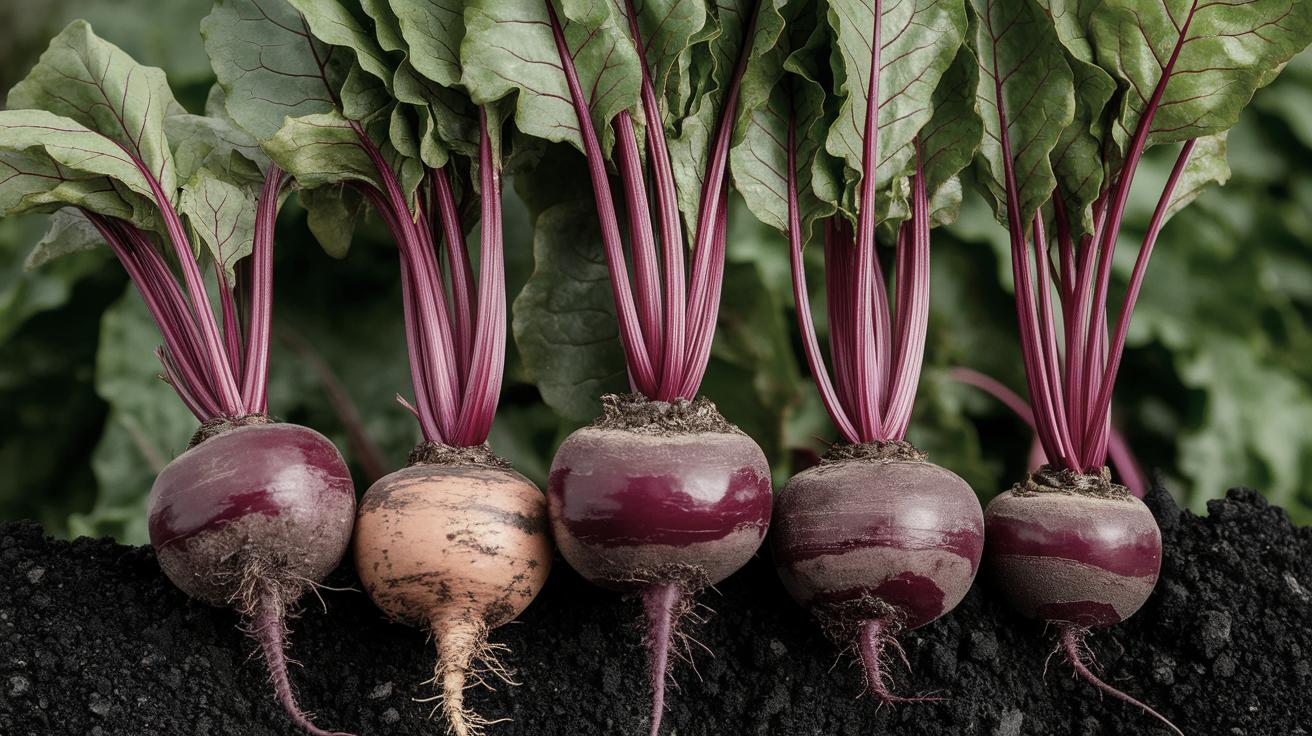
Determining the right time to harvest beets is crucial for optimal texture and flavor. Beets can be harvested once they reach the size of a golf ball, typically between 50 to 70 days post-planting. For a continuous harvest, sow seeds every three weeks during the growing season. When pulling beets out of the ground, carefully loosen the surrounding soil to avoid damage.
Once harvested, cut the beet greens, leaving about an inch of stem attached to the root. Store the roots in a cool, dark place, ideally at temperatures of 32-40°F with high humidity. Under these conditions, beets can last for several months, providing a long-lasting source of nutrients throughout the fall and winter.
How to Use Beets
Beets are incredibly versatile in the kitchen. Their earthy flavor and vibrant color can elevate various dishes. Roast them with olive oil, salt, and pepper for a simple side dish, or blend them into a creamy soup. Beets can also be grated raw into salads or pickled for a tangy snack.
In addition to the roots, beet greens are edible and nutritious. They can be sautéed with garlic and olive oil as a savory side dish or added to smoothies for a vitamin boost. By exploring these different culinary uses, you’ll get the most out of your beet harvest.
Future Prospects
| Aspect | Details |
|---|---|
| Growing Period | Approx. 50-70 days depending on variety and climate. |
| Ideal Conditions | Well-drained, fertile soil; full sun; consistent moisture. |
| Pests and Diseases | Aphids, leaf miners; Root rot, downy mildew. |
| Harvesting Tips | Size of golf ball; frequent turnovers for ongoing harvest. |
| Storage | Cool, dark place; 32-40°F; high humidity. |