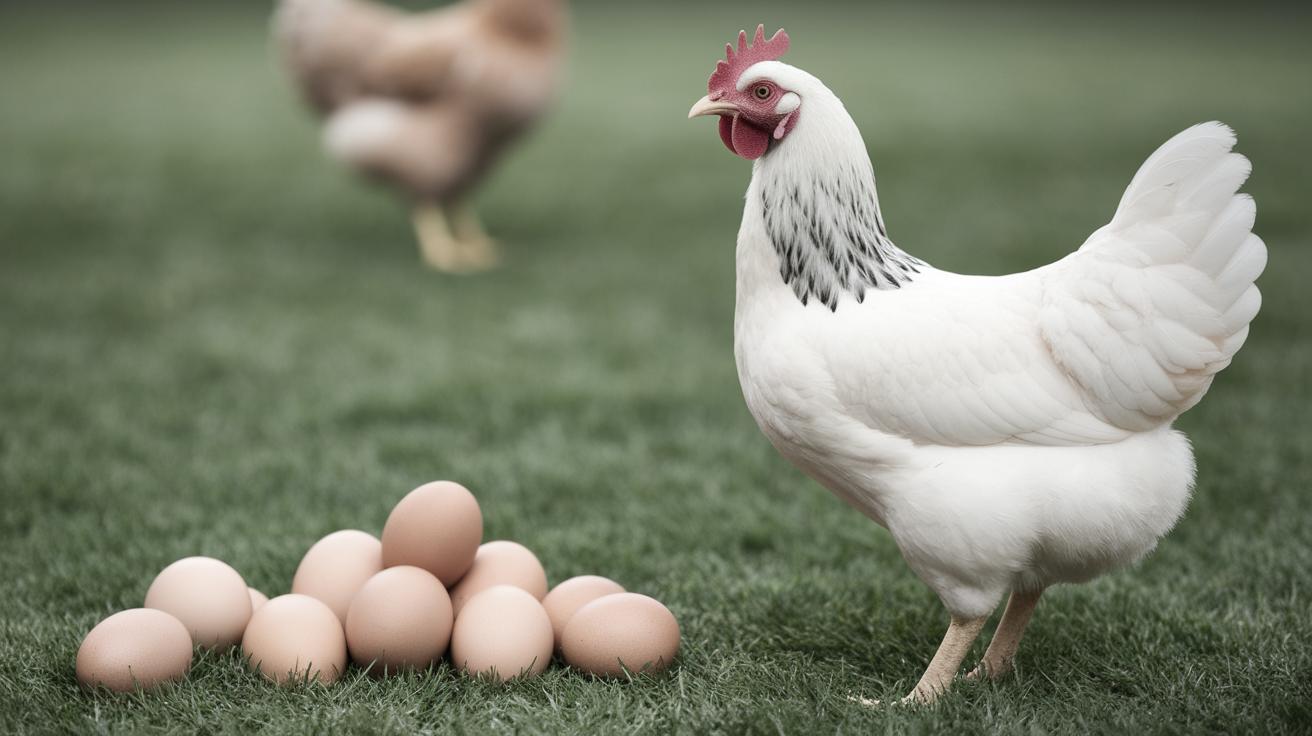
How Many Eggs Does the Average Chicken Lay?
Egg production varies significantly among chickens, depending on numerous factors related to the environment, diet, and breed. In this article, we delve into the intricacies of egg-laying, examining how daily outputs are influenced. From understanding the average number of eggs laid per day to considering the various impacts on production, we provide a comprehensive overview of what affects a hen’s ability to lay eggs. By exploring guidelines for diet, lighting, living conditions, and breed selection, we aim to empower backyard chicken keepers with the knowledge to optimize egg production in their flocks. Additionally, we’ll explore initiatives for boosting egg production sustainably. Join us as we crack the secrets behind how many eggs your chickens could be laying.
So, how many eggs does a chicken lay a day?
Typically, a healthy, well-cared-for chicken will lay around one egg per day during her peak laying period. This duration usually occurs in spring and summer months when optimal conditions for egg production are present, such as ample daylight and agreeable weather. However, even for the most prolific layers, expect no more than six to seven eggs per week, as chickens need time to recoup and regain energy after each laying cycle.
Factors like age and breed of the chicken can skew these numbers slightly. For instance, commercial breeds like the White Leghorn are bred for high production, often providing more frequent eggs. Yet, even among these prolific strains, overall health and husbandry practices also play an essential role in setting the daily count. Unlike machines, chickens’ natural rhythms and biological needs dictate their productivity.
What Impacts Egg Production?
1. Diet Impacts Egg Production
A balanced diet rich in essential nutrients directly impacts a chicken’s ability to lay eggs. Chickens on a diet lacking in protein, calcium, or other critical nutrients may lay less frequently or produce eggs with weak shells. It is essential to provide a nutritionally complete feed, supplemented with oyster shells or limestone to bolster calcium levels, ensuring both the quantity and quality of eggs remain high.
Access to a variety of fresh foods, including fruits, vegetables, and grains, can enhance egg flavor and nutritional value. Scraps such as leafy greens, grains, and even certain insects can serve as excellent supplementary sources of nutrients. Remember, a healthy chicken is a productive chicken; thus, a well-crafted diet is a priority for any aspiring egg producer.
2. Chickens Need Light to Produce Eggs
Lighting plays a crucial role in egg production, as the presence and duration of light affect a hen’s endocrine system, stimulating egg laying. Chickens require around 14-16 hours of light each day to maintain optimal production levels. Fall and winter seasons often see a decline in egg output due to shorter daylight hours; hence, many chicken keepers opt to extend light exposure artificially.
Artificial lighting can be beneficial in increasing productivity, especially in cooler months. However, it’s important to implement this strategy carefully to prevent stress and ensure the welfare of the flock. Gradual increases in lighting mimicking natural changes in daylight can support a hen’s needs without causing undue burden or stress.
3. Environment Affects Egg Production
The environment in which chickens are raised greatly influences their laying capabilities. Chickens that are raised in clean, spacious, and comfortable conditions are more likely to lay eggs regularly. Stressors such as overcrowding, poor sanitation, or inadequate ventilation can lead to diminished production and health-related issues.
Providing chickens with ample outdoor space to roam and enough nesting areas helps decrease stress levels and encourages consistent laying. Additionally, maintaining a clean coop and providing protection from predators support not only sustained egg production but also the overall well-being of the flock.
4. Breed, Age Influence Egg Production
The breed of chicken is a primary determinant of egg laying capacities. Certain breeds like the Rhode Island Red, Sussex, and Leghorn are known for their prolific egg production. Heritage breeds sometimes lay fewer eggs but often have longer productive lifespans and hardier constitution compared to high-production commercial breeds.
Age is another critical factor influencing laying patterns. Hens typically begin laying between 18-20 weeks of age, reaching their peak production in their first few years. As hens age, egg production naturally decreases, reflecting both a natural decline in laying frequency and sometimes an increase in egg size.
Backyard Boost Can Help!
Implementing sustainable practices and understanding your flock can boost backyard egg production significantly. By selecting the right breed for your local conditions and providing optimal diet and living environments, even small backyard flocks can yield significant results.
Additionally, educating oneself about chicken care and staying engaged with a community of fellow poultry enthusiasts can lead to better problem-solving and innovation in egg production methods. Seeking local expertise and sharing experiences in these communities can ensure continued improvement and satisfaction for backyard chicken keepers.
Sign Up for Our Newsletter!
Stay updated with the latest tips and advice on maximizing your egg production and overall chicken care by signing up for our newsletter! Join a community passionate about sustainable and enjoyable poultry farming.
Future Prospects
| Factor Influencing Egg Laying | Details |
|---|---|
| Average Daily Production | 1 egg per day during peak, 6-7 eggs per week. |
| Diet | Rich in protein, calcium; vegan & insect resources can enhance quality. |
| Light Exposure | 14-16 hours recommended; artificial light for shorter days. |
| Environment | Stress-free, clean, spacious coops; predator protection. |
| Breed and Age | Prolific layers: Leghorn, Rhode Island Red. Peak begins at 18-20 weeks, declines with age. |
This HTML-formatted article explores the factors influencing egg production in chickens, underlining the importance of diet, lighting, environment, breed, and age, while encouraging readers to enhance their knowledge and care for their backyard flocks.