When Do Ducks Start Laying Eggs?
Ducks are fascinating creatures that bring joy and utility to any homestead with their charismatic personalities and the promise of fresh eggs. However, many first-time duck owners find themselves wondering why their ducks haven’t started laying eggs. Just like chickens, ducks have specific needs that must be met before they will begin laying. This blog post will explore various factors that might be influencing your ducks’ egg production. From their age and diet to environmental stressors and daylight exposure, we’ll cover several aspects you should consider to ensure your ducks are comfortable and ready to lay. By the end, you’ll have a thorough understanding of what it takes to nurture a healthy, egg-laying duck flock.
Are you sure they’re not laying?
It might sound basic, but one of the first things to verify is whether your ducks may actually be laying eggs in hidden spots. Ducks have a natural instinct to find secluded, safe spaces to lay their eggs. This could be in dense vegetation or other sheltered areas in your backyard. Doing regular checks around your property can help identify if your ducks are laying somewhere unexpected.
Also, if your ducks free-range, they might be laying in spots you haven’t considered. Try keeping them in their coop for a few days to see if eggs appear in the nesting area. This can help determine if they’ve been laying elsewhere.
Are you sure they’re female?
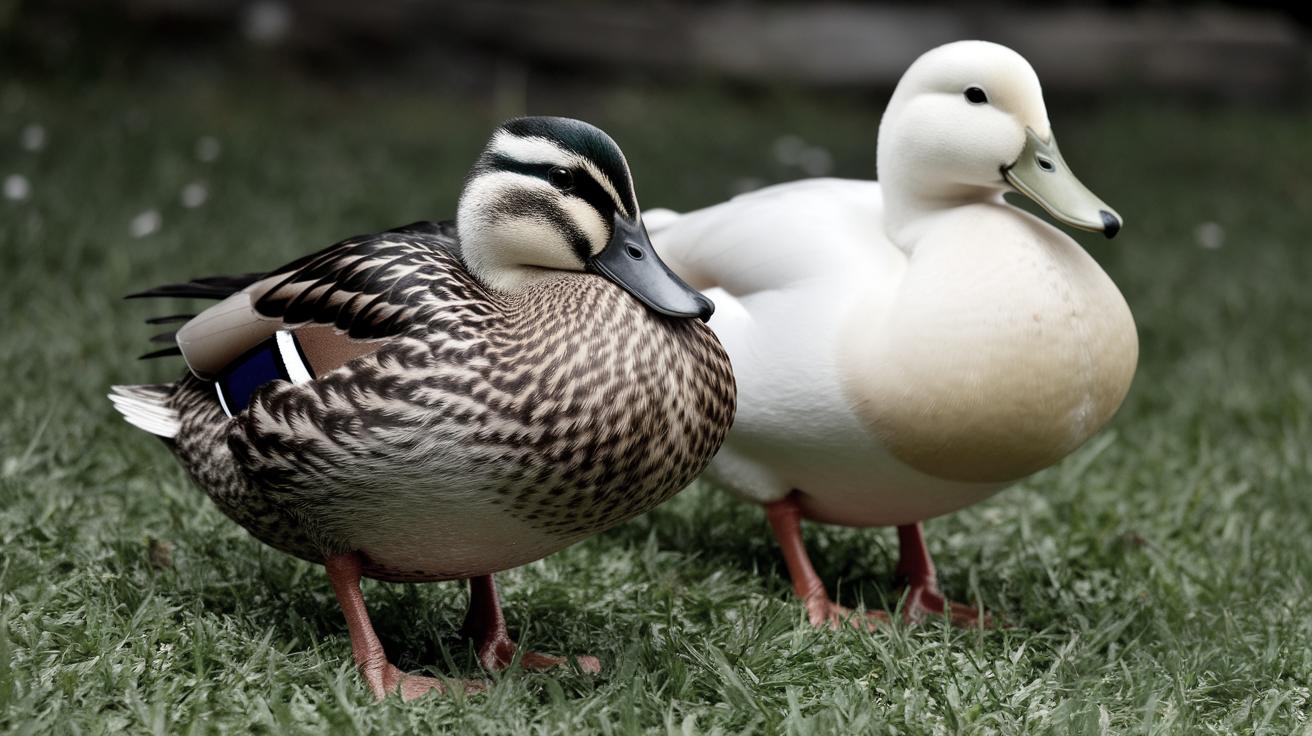
While it might seem obvious, ensuring that your ducks are female is crucial. Male ducks, known as drakes, will not lay eggs. Some duck breeds have males and females with similar appearances, which can cause confusion among new duck owners. Make sure you’ve correctly identified their gender.
To distinguish between drakes and ducks, look for differences like vocalizations and plumage. Females usually have a characteristic quack, while males often have softer sounds. Additionally, some breeds show visual differences in plumage, especially during breeding season.
Are they old enough?
Another critical factor to consider is the age of your ducks. Most duck breeds begin laying eggs around the age of 5 to 7 months. However, this can vary depending on the breed and diet. If your ducks are younger than that, they likely need more time to mature.
Monitoring their development and ensuring they receive a diet rich in nutrients can help facilitate healthy growth, bringing your ducks closer to the egg-laying age. Providing plenty of space and a safe environment can also support their progression to maturity.
Are they molting?
Molting is a natural process where ducks shed and regrow their feathers. During this time, their bodies redirect resources to feather production, which can slow or even halt egg production. It’s common for ducks to molt once a year, typically in late summer or fall.
Molting can last several weeks, during which ducks may appear scruffy and there might be a decrease in egg production. Providing a high-protein diet can help your ducks through this period and potentially minimize the duration of the molt.
How much daylight are they getting?
Daylight plays a significant role in the egg production of ducks. Typically, ducks require at least 14 to 16 hours of daylight to maintain consistent laying cycles. During shorter days in winter, they might stop laying altogether due to inadequate daylight.
If you live in an area with short days, consider supplementing daylight with artificial lighting in the coop. Ensure the lights are on to extend daylight hours to meet their needs, ideally starting in the early morning or late afternoon.
What are they eating?
A balanced diet is essential for egg production in ducks. They need a diet rich in calcium and other nutrients to support laying. Consider feeding them duck-specific layer feed available at farm supply stores. These feeds are formulated with the essential nutrients your ducks need to produce eggs.
Duck diets should also include access to greens, grains, and fresh water. Offering oyster shell as a supplement can also provide extra calcium, which is vital for strong eggshells.
Do they have a safe place to lay their eggs?
Ducks prefer to lay their eggs in safe, quiet, and comfortable locations. Providing nesting boxes lined with soft materials like straw or wood shavings in their coop can encourage ducks to lay there. Nesting boxes should be placed in dark, secluded areas to appeal to a duck’s natural instincts.
If your ducks feel their nesting area is unsafe, it could discourage them from laying. Ensure their coop is predator-proof and offers a conducive environment for nesting.
How many drakes do you have in your flock?
The balance of drakes to ducks in your flock can impact egg production. Generally, too many drakes can stress the females, which might lead to decreased laying. A common ratio is one drake for every four to six ducks.
Excessive males can lead to over-mating and stress, causing female ducks to become less productive. Keeping the right balance will help maintain a harmonious environment where your ducks can consistently lay eggs.
Are there other sources of stress for your ducks?
Stress is a significant factor that can halt egg production in ducks. Predators, illness, or environmental changes can all contribute to stress. Preventing stress by managing your ducks’ environment and health is crucial to their productivity.
Regular health checks and appropriate safeguards against predators will help reduce stress. Additionally, maintaining a calm and stable environment supports their overall wellbeing and improves the likelihood of regular egg-laying.
More Ducks
If you’ve assessed all these factors and your ducks are still not laying, you might consider the dynamics within the flock. Sometimes, adding more ducks can stabilize the social structure. An optimal number of ducks fosters healthy competition and cooperation, which can encourage more laying.
However, added ducks should be introduced carefully to minimize social stress. Quarantine new birds before introducing them to the flock, and monitor behavioral changes to ensure a smooth transition.
| Factor | Details |
|---|---|
| Hidden Laying Spots | Check entire property for unexpected laying spots. |
| Identification | Ensure ducks are female, observe vocalizations and plumage. |
| Age | Ducks typically lay eggs starting at 5-7 months old. |
| Molting | Natural molting can pause egg production temporarily. |
| Daylight | At least 14-16 hours of daylight needed for consistent laying. |
| Diet | Rich in calcium and nutrients, supplemented with oyster shell. |
| Nesting Environment | Safe, secluded nesting areas with predator protection. |
| Drake-Duck Ratio | Balance of one drake per 4-6 ducks; excessive drakes cause stress. |
| Stress Factors | Minimize predator threats, illness, and abrupt changes. |
| Flock Dynamics | Consider adding more ducks for optimal social structure. |