How Long Do Chickens Live?
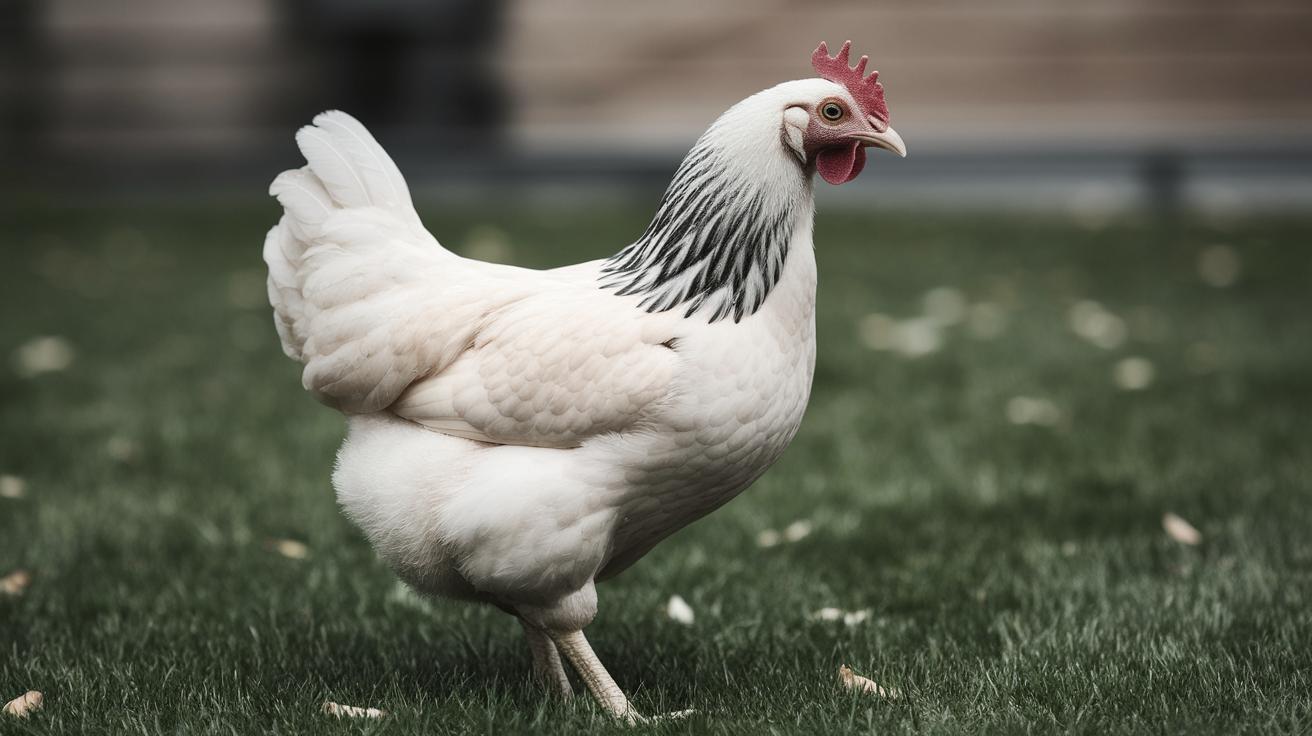
Chickens are among the most common domesticated birds globally, valued for their egg and meat production. However, beyond their utility, many people keep chickens as pets, leading to increased curiosity about their lifespan. The life expectancy of a chicken can vary widely depending on several factors, including breed, environment, and care. In this comprehensive guide, we delve into the typical lifespan of chickens, factors influencing their longevity, and practical tips for ensuring your chickens lead a long, healthy life.
What is the Average Lifespan of a Chicken?
The average lifespan of a chicken generally ranges from 5 to 10 years, depending on various influences. While this might seem like a considerable range, it’s important to note that lifespan estimates can fluctuate significantly due to environmental factors, breed differences, and care levels.
Commercial chickens, especially those bred for meat production (broilers), tend to have shorter lives, often living only a few years due to industry practices. On the other hand, backyard chickens, which are given more personalized care, often exceed these lifespans, sometimes approaching or surpassing a decade of life with proper attention to health and safety.
5 Factors that Determine Chicken Lifespan
1.
Breed:
Certain breeds are genetically predisposed to longer lifespans. Heritage breeds often live longer compared to those bred for high production.
2.
Environment:
Chickens allowed to roam freely in safe, foraging environments with shelter from predators and harsh weather typically live longer.
3.
Diet:
A balanced diet enriched with necessary nutrients and access to clean water plays a crucial role in maintaining health, thereby extending lifespan.
4.
Health Care:
Regular veterinary care, vaccinations, and prompt treatment of illnesses and injuries are vital in prolonging a chicken’s life.
5.
Stress:
Minimizing stress from overcrowding, aggression from other chickens, and environmental hazards supports longevity in chickens.
Hen vs. Rooster Lifespan
In general, hens and roosters can have similar life expectancies, though there are nuances. Hens, especially those used for egg production, might face health issues like egg binding or reproductive cancers that could influence their lifespan.
Roosters often engage in more aggressive behavior, leading to potential injuries which could affect their longevity. Moreover, social dynamics within flocks can impact a rooster’s life expectancy as they often assume protective roles, making them more vulnerable to predators.
Are There Certain Chicken Breeds that Live Longer than Others?
Heritage Breeds
Heritage breeds like the Orpington, Plymouth Rock, and Rhode Island Red are known for their robust health and longevity. These breeds were historically valued for their utility and hardiness, thereby naturally evolving to live longer compared to more intensive, selectively-bred varieties.
Having been preserved through traditional breeding methods, heritage breeds often have a natural resilience to common ailments, making them a preferred choice for those seeking long-lived chickens.
Ornamental Breeds
Ornamental breeds, such as Silkies and Polish chickens, are primarily kept for their aesthetic appeal. While they can have varied lifespans, many ornamental breeds are prized for their uniqueness rather than their longevity.
Despite this, given proper care and attention, ornamental breeds can also enjoy long lives, often significantly impacted by the level of care they receive in controlled environments.
Utility Breeds
Utility breeds, developed for specific purposes like egg or meat production, often have shorter lifespans due to the selective breeding focused on maximizing productivity. Breeds such as the Cornish Cross are known for rapid growth rates, which can sometimes be at the expense of overall health and longevity.
Nevertheless, when removed from commercial production environments and given comprehensive care, utility breeds can still lead full lives, albeit generally shorter compared to their heritage counterparts.
How to Give Your Chickens a Long, Healthy Life
Ensuring a long, healthy life for your chickens begins with providing them a clean, safe living environment. A well-maintained coop, free from predators and adverse weather, is fundamental. Incorporating a spacious outdoor area for exercise and foraging will further promote their well-being.
Beyond habitat, consistent access to fresh water and a nutritionally balanced diet specifically formulated for the chicken’s life stage are essential. Regular health checks and being vigilant about signs of illness help address health concerns before they become severe.
Support Your Chicken’s Long Term Health with Quality Chicken Feed
Providing a balanced diet is crucial in supporting your chicken’s health and longevity. Quality chicken feed tailored to the specific needs of different life stages—whether chicks, laying hens, or senior chickens—offers the nutrients necessary for sustained health.
Supplementing their diet with occasional treats like greens and insects can provide additional vitamins and minerals, promoting a diverse diet. However, it’s vital to avoid over-supplementing, which could lead to health issues like obesity or nutrient imbalances.
Summary of Main Points
| Topic | Key Points |
|---|---|
| Average Lifespan | Ranges from 5 to 10 years, influenced by care and environment. |
| Factors Determining Lifespan | Breed, environment, diet, health care, and stress impact longevity. |
| Hen vs. Rooster Lifespan | Similar lifespans; health and social dynamics can affect them. |
| Breeds and Longevity | Heritage breeds usually live longer; utility breeds often have shorter lives. |
| Healthy Living Tips | Provide a clean environment, balanced diet, and regular health care. |
| Dietary Support | Nutrient-rich feed and occasional supplements promote health. |