When to Plant Okra: A Comprehensive Guide
Planting okra can be a rewarding endeavor for both novice and seasoned gardeners, offering an abundance of fresh, nutritious pods throughout the growing season. This guide covers everything you need to know about planting and growing okra, from starting seeds to implementing companion planting strategies. Whether you cultivate okra in raised beds in the north or establish a transplant garden, these insights will enhance your gardening success. Additionally, you’ll find practical advice on harvest timing and plant spacing, all geared towards ensuring a bountiful okra yield. By exploring these techniques and tips, you’ll be well-equipped to enjoy the full potential of this versatile crop.
Planting Okra
How to Grow Okra from Seeds
Growing okra from seeds is a straightforward process, but timing is crucial. Okra prefers warm temperatures, so it’s best to plant seeds after the last frost date in your area when the soil has warmed to at least 65°F (18°C). Before sowing, you might consider soaking the seeds overnight to speed up germination, as okra seeds have a hard outer coating.
Plant the seeds about 1 inch deep and space them 12-18 inches apart in rows that are spaced 3-4 feet apart. This spacing allows for sufficient air circulation and room for the plants to grow. Ensure the soil is well-drained and enriched with organic matter to enhance growth and yield.
How to Plant Okra from Transplants
If you prefer to start with transplants rather than seeds, begin by sowing seeds indoors about 6-8 weeks before the last expected frost. Transplants should be acclimated to outdoor conditions before planting them in your garden by gradually exposing them to the outside environment.
When transplanting, space the plants about 12-18 inches apart in rows that are 3-4 feet apart. Ensure the soil is warm and fertile, and be mindful not to disturb the roots when planting. Water the transplants thoroughly and provide consistent moisture as the plants establish themselves.
How Much Okra to Plant and Plant Spacing Requirements
The amount of okra to plant depends on your available space and consumption needs. Typically, planting 10-12 plants per person will provide a steady supply of okra throughout the season. If you are growing okra commercially or for a larger group, adjust the numbers accordingly.
Proper spacing is essential for healthy okra plants. As mentioned, space each plant 12-18 inches apart to allow adequate room for growth and access to sunlight. Rows should be set 3-4 feet apart to ensure enough room for maintenance and harvesting activities.
Growing Okra
Growing Okra in Raised Beds
Raised beds can be an excellent choice for growing okra, as they provide better drainage and warm up more quickly than traditional garden plots. Raised beds also facilitate easier control of soil quality and temperature, which can enhance growth.
When planting in raised beds, ensure they receive full sun, as okra thrives in warm conditions. Enhance the soil with compost or well-rotted manure to improve fertility. Due to their elevated nature, raised beds may require more frequent watering, especially during hot, dry periods.
Growing Okra in the Northern US
Growing okra in the northern United States can be challenging due to shorter growing seasons and cooler temperatures. However, with the right strategies, it is still possible. Opt for early-maturing okra varieties and consider starting them indoors to extend the growing period.
Utilize row covers or tunnels to retain heat and protect young plants from sudden temperature drops. Monitoring local weather forecasts and implementing frost protection measures, such as using cloches or garden fabrics, can also mitigate potential risks from unexpected cold snaps.
Companion Planting with Okra
Companion planting with okra can enhance growth and pest resistance. Consider pairing okra with crops like peppers and tomatoes that thrive in similar conditions, fostering a symbiotic relationship. Such combinations can maximize space and improve garden productivity.
Incorporating pollinator-friendly plants, like marigolds or basil, can attract beneficial insects to your garden, aiding in pest control. Conversely, avoid planting okra near plants susceptible to shading, as okra can quickly grow tall and cast significant shadows.
How to Harvest Okra
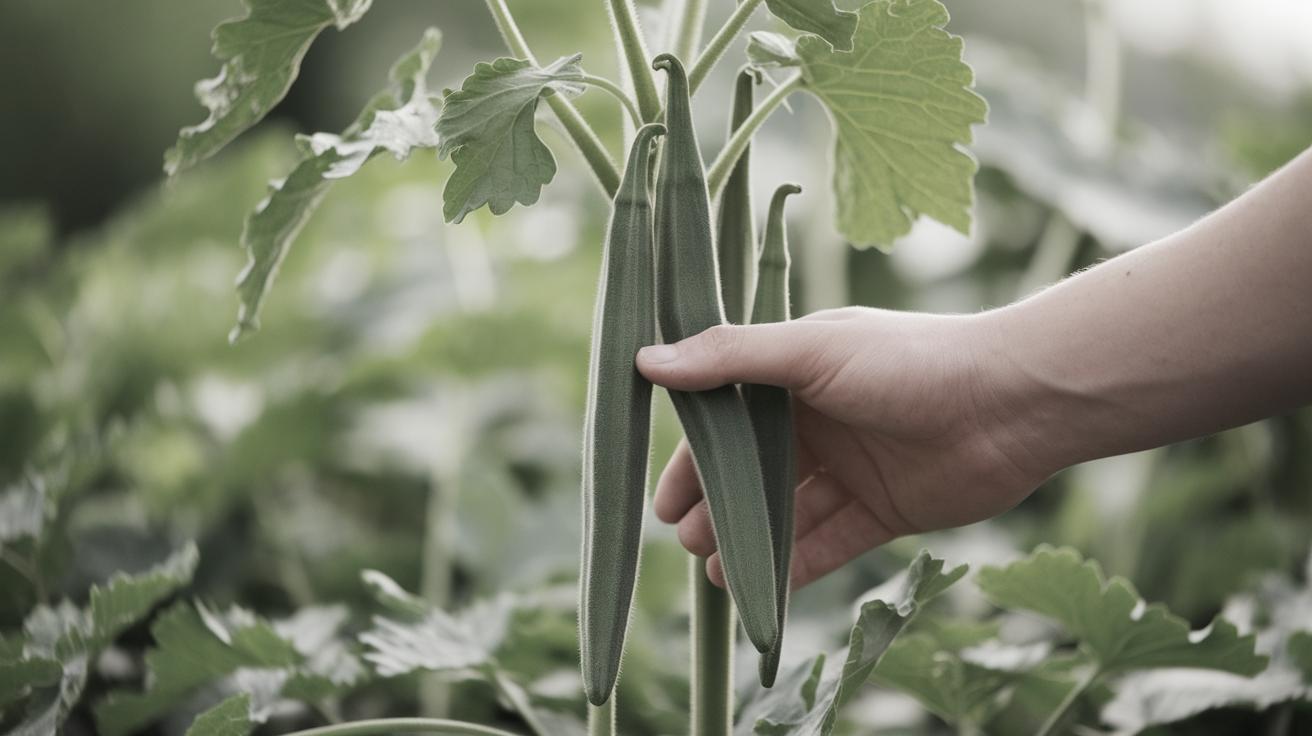
Knowing when and how to harvest okra is critical for obtaining the best quality pods. Begin harvesting when the pods are about 2-4 inches long, as they tend to become tough and less palatable if left on the plant too long. Frequent harvesting encourages continuous production.
Use pruning shears or a sharp knife to cut the pods cleanly from the plant, being careful to avoid damaging the main stem or branches. Okra plants have tiny spines that can irritate the skin, so wearing gloves during harvest is advisable. Consistent harvesting every 1-2 days will ensure tender, flavorful pods throughout the season.
Get My Free 15+ Garden Printables & Guides
Enhance your gardening experience with our comprehensive set of 15+ free garden printables and guides, designed to assist with planning and managing your garden efficiently. These resources include planting calendars, pest control strategies, and maintenance checklists to support your gardening journey.
Sign up to receive these practical tools and join a community of like-minded gardeners. Our guides are tailored to help both beginners and experienced gardeners achieve a flourishing garden. Stay informed and organized, and make the most out of your gardening endeavors with these invaluable resources.
Lessons Learned
| Aspect | Key Points |
|---|---|
| Seeding | Plant seeds after the last frost; soak overnight for faster germination; space 12-18 inches apart. |
| Transplanting | Start seeds indoors; acclimate to outdoors before planting; handle gently and water well. |
| Raised Beds | Offers better drainage and soil control; full sun exposure important; frequent watering may be needed. |
| Northern US Growth | Use early-maturing varieties; provide frost protection; start seeds indoors to extend the season. |
| Companion Planting | Pair with compatible plants; attract beneficial insects; avoid overly shaded spots. |
| Harvest | Harvest at 2-4 inches long; use gloves; harvest frequently for continuous yield. |
This HTML document outlines a complete guide, composed of various sections detailing the planting, growing, and harvesting of okra. It concludes with a practical table summarizing key points of each section, providing an at-a-glance resource for readers.