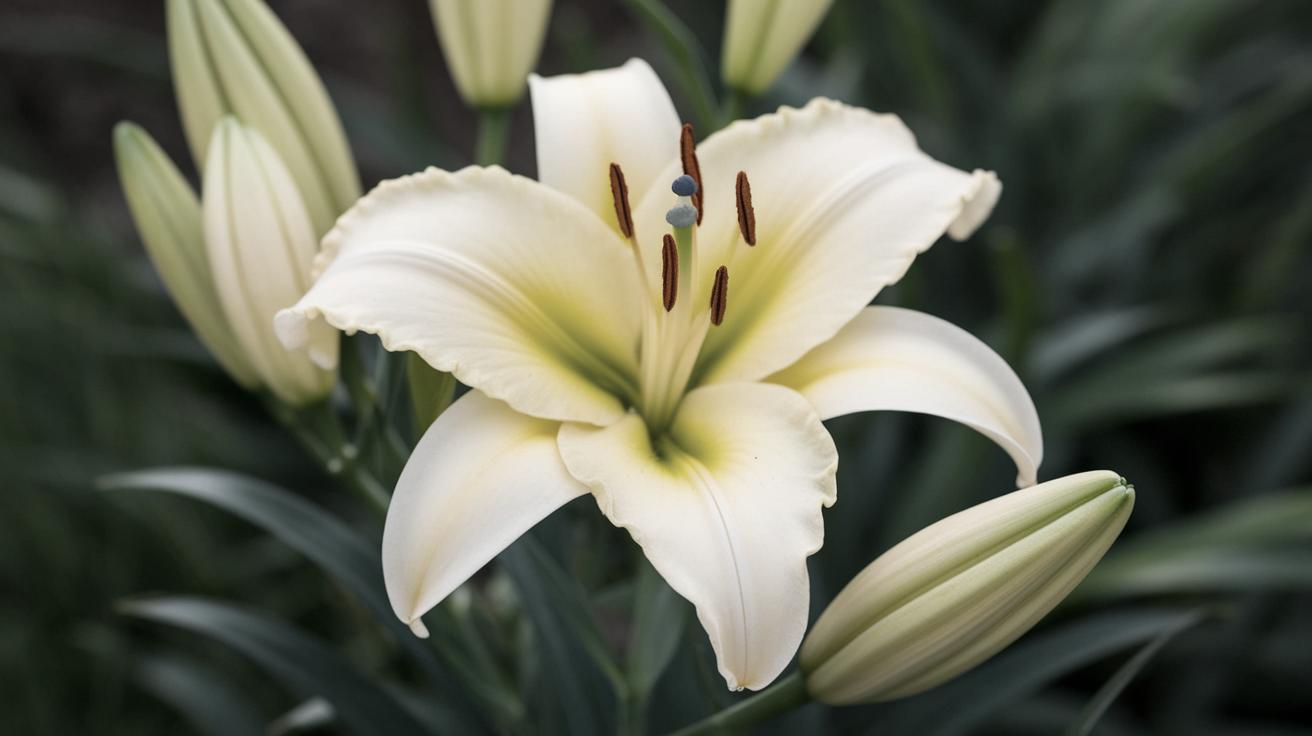
Discover the optimal timing strategies for nasturtium planting to achieve maximum bloom potential and garden success in 2025.
Understanding Nasturtium Varieties for Strategic Planting
Nasturtiums encompass diverse Tropaeolum species offering distinct growth patterns, flowering characteristics, and seasonal adaptability. The most cultivated varieties include trailing nasturtiums (climbing types) perfect for vertical gardening and hanging displays, plus compact bush varieties ideal for border plantings and container cultivation.
Tropaeolum majus demonstrates vigorous spreading habits with larger 2-3 inch blooms, while Tropaeolum minus produces refined 1-2 inch flowers with controlled growth patterns. Advanced cultivars like ‘Alaska Mix’ feature variegated foliage, and ‘Empress of India’ offers deep crimson blooms with dark foliage for enhanced visual contrast.
Color variations span the warm spectrum from pale cream through vibrant yellows, oranges, and deep burgundy reds. Dwarf varieties reach 8-12 inches, semi-trailing types extend 2-3 feet, while climbing nasturtiums can achieve 6-10 feet with proper support structures.
Optimal Timing for Nasturtium Seed Planting
Critical Temperature and Seasonal Considerations
Soil temperature represents the primary planting determinant, requiring consistent 55-65°F (13-18°C) for optimal germination rates. Plant nasturtium seeds 2-4 weeks after the last frost date when soil has warmed sufficiently and nighttime temperatures remain above 50°F (10°C).
In USDA zones 2-7, optimal planting occurs between late April and early June. Zones 8-10 benefit from fall planting (September-October) for winter blooms, while zone 11 allows year-round cultivation with peak performance during cooler months.
Geographic Timing Variations Across Climate Zones
Northern regions (zones 3-5) should plant after Memorial Day when soil temperatures stabilize. Temperate zones (6-7) can begin planting in early to mid-May, while southern gardeners (zones 8-10) achieve best results with fall planting for spring blooms.
Succession planting every 2-3 weeks extends the blooming period from early summer through first frost. This technique ensures continuous flower production and maintains garden color throughout the growing season.
Site Selection and Soil Preparation Strategies
Sunlight Requirements and Microclimate Optimization
Nasturtiums thrive in full sun locations receiving 6-8 hours of direct sunlight daily for maximum bloom production. Partial shade tolerance allows cultivation in areas with 4-6 hours of morning sun, though flowering intensity may decrease by 20-30%.
Avoid overly fertile soils which promote excessive foliage growth at the expense of flower development. Well-draining, moderately poor soils with pH 6.0-7.5 produce the most abundant blooms and compact growth habits.
Soil Amendment and Drainage Enhancement
Incorporate coarse sand or perlite into heavy clay soils to improve drainage and prevent root rot conditions. Add organic compost sparingly (1-2 inches maximum) to provide gentle nutrition without over-fertilizing.
Test soil drainage by digging a 12-inch hole and filling with water. Proper drainage allows complete water absorption within 4-6 hours, indicating suitable conditions for nasturtium cultivation.
Advanced Planting Techniques and Seed Preparation
Pre-Germination Methods for Enhanced Success
Scarification improves germination rates by gently filing or nicking the hard seed coat before planting. Alternatively, soak seeds in lukewarm water for 8-12 hours to soften the outer shell and accelerate sprouting.
Direct sowing proves most successful as nasturtiums develop sensitive taproots that resist transplantation. Plant seeds ½ inch deep with 6-12 inch spacing depending on variety size and growth habit.
Container and Indoor Starting Options
For earlier blooms, start seeds indoors 3-4 weeks before the last frost date using biodegradable pots that can be planted directly without root disturbance. Maintain 65-70°F soil temperature for optimal germination within 7-14 days.
Container cultivation requires pots minimum 8-10 inches deep with excellent drainage holes. Use well-draining potting mix amended with perlite for improved aeration and moisture control.
Comprehensive Nasturtium Care and Maintenance
Watering Strategies and Moisture Management
Establish deep, infrequent watering patterns to encourage robust root development and drought tolerance. Water thoroughly when soil surface feels dry, typically every 3-5 days depending on weather conditions and soil type.
Overwatering leads to fungal diseases and reduced flowering, while consistent moisture stress triggers early seed production and shortened bloom periods. Maintain moderate soil moisture without waterlogging.
Pruning and Deadheading for Extended Blooms
Regular deadheading of spent flowers encourages continuous bloom production and prevents excessive self-seeding. Remove faded blooms every 2-3 days during peak flowering periods for optimal performance.
Pinch growing tips when plants reach 6-8 inches to promote bushier growth and increased flower production. Light pruning of leggy stems maintains compact form and encourages lateral branching.
Culinary Applications and Edible Flower Harvesting
Nutritional Benefits and Flavor Profiles
Nasturtium flowers and leaves provide vitamin C concentrations higher than many citrus fruits, plus significant amounts of iron, potassium, and antioxidant compounds. The distinctive peppery flavor resembles watercress with subtle mustard notes.
Harvest young leaves and fresh flowers in early morning after dew evaporation for peak flavor intensity. Rinse gently and use immediately, or store in refrigerator for 2-3 days maximum freshness.
Culinary Preparation and Recipe Integration
Fresh flowers make stunning salad garnishes, while leaves add peppery bite to sandwiches and wraps. Young seed pods can be pickled as caper substitutes when harvested green and tender.
Incorporate nasturtium petals into herb butters, vinegars, and oils for unique flavor infusions. The flowers also serve as natural food coloring agents in various culinary applications.
Natural Pest Management and Companion Planting
Biological Pest Control Mechanisms
Nasturtiums function as trap crops for aphids, whiteflies, cucumber beetles, and squash bugs, drawing these pests away from valuable vegetables. The plants’ natural compounds repel ants, mice, and various soil-dwelling insects.
Beneficial insect attraction includes bees, butterflies, hoverflies, and predatory beetles that enhance overall garden ecosystem health. This natural pest management reduces chemical pesticide requirements significantly.
Strategic Companion Planting Combinations
Plant nasturtiums near tomatoes, cucumbers, and squash for natural pest protection and improved crop yields. The flowers also benefit brassicas by deterring cabbage worms and flea beetles.
Avoid planting near radishes and sunflowers which may compete for nutrients or attract similar pest species. Maintain 12-18 inch spacing from companion plants to prevent overcrowding and resource competition.
Seed Collection and Storage Techniques
Optimal Harvest Timing and Methods
Collect nasturtium seeds when pods turn tan to brown and feel firm to touch, typically 6-8 weeks after flowering. Seeds should separate easily from the plant and produce a slight rattle when shaken.
Harvest during dry weather conditions to minimize moisture content and prevent mold development during storage. Morning collection after dew evaporation ensures optimal seed quality and viability.
Long-Term Storage and Viability Maintenance
Dry collected seeds for 7-10 days in a warm, well-ventilated area before storage. Store in airtight containers with silica gel packets in cool, dark locations for maximum 3-5 year viability.
Label containers with variety names and collection dates for proper seed rotation and planning. Germination testing every 2 years ensures continued seed viability and planting success rates.
Troubleshooting Common Growing Challenges
Disease Prevention and Management
Fungal diseases like powdery mildew and bacterial wilt occur in humid conditions with poor air circulation. Ensure adequate plant spacing and avoid overhead watering to minimize disease pressure.
Root rot develops in waterlogged soils, causing yellowing leaves and stunted growth. Improve drainage and reduce watering frequency to prevent this common cultivation problem.
Environmental Stress Factors
Heat stress above 85°F (29°C) reduces flowering and may cause premature seed set. Provide afternoon shade in hot climates and maintain consistent soil moisture during heat waves.
Nutrient deficiencies rarely occur in nasturtiums, but excessive nitrogen fertilization promotes leaf growth over flower production. Avoid high-nitrogen fertilizers and rely on natural soil fertility.
Seasonal Planning and Garden Integration
Multi-Season Growing Strategies
Plan succession plantings every 3-4 weeks from late spring through mid-summer for continuous blooms until frost. This technique extends the harvest period and maintains consistent garden color.
In mild winter areas, fall-planted nasturtiums provide winter and early spring blooms when few other flowers are available. Protect from hard freezes with row covers or cold frames.
Garden Design and Aesthetic Integration
Incorporate nasturtiums into cottage garden designs with their informal growth habits and vibrant colors. Use trailing varieties for hanging baskets, window boxes, and vertical garden elements.
Color coordination with complementary plants like marigolds, zinnias, and cosmos creates stunning seasonal displays. Plan bloom timing to ensure overlapping flowering periods for continuous garden interest.
| Planting Aspect | Optimal Timing | Key Considerations |
|---|---|---|
| Soil Temperature | 55-65°F (13-18°C) | Critical for germination success |
| Last Frost Date | 2-4 weeks after | Prevents cold damage to seedlings |
| Northern Zones (3-5) | Late May – Early June | Wait for soil warming |
| Temperate Zones (6-7) | Early to Mid-May | Moderate climate advantage |
| Southern Zones (8-10) | September – October | Fall planting for spring blooms |
| Succession Planting | Every 2-3 weeks | Extends blooming period |
| Indoor Starting | 3-4 weeks before last frost | Use biodegradable pots |