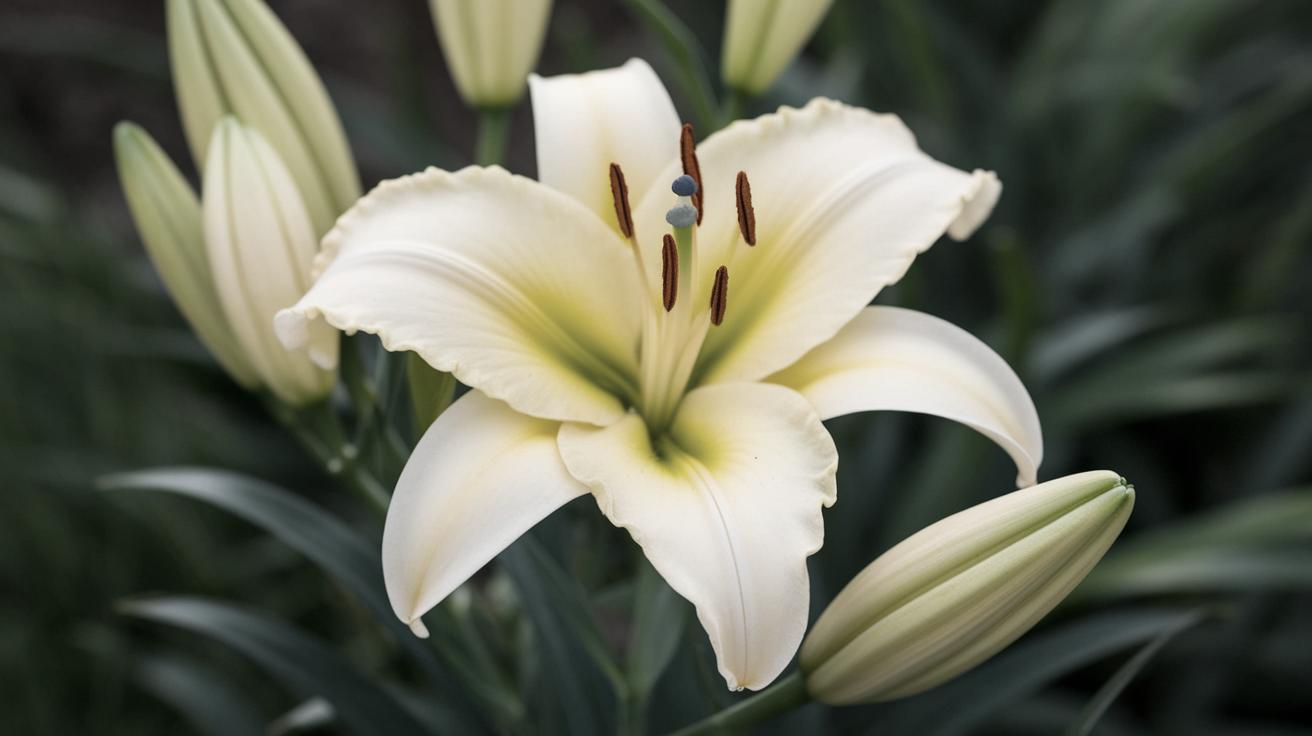
Master the art of summer bulb planting timing with expert techniques that guarantee spectacular blooms and maximize your garden’s potential.
Essential Summer Bulb Planting Guidelines
Successful bulb cultivation begins with selecting premium-quality bulbs suited for your specific hardiness zone. Inspect each bulb carefully for firmness, checking for mold, soft spots, or visible damage that could compromise growth potential.
Proper planting depth remains critical for bulb establishment and longevity. Follow the three-times-height rule: plant bulbs at a depth approximately three times their diameter to ensure adequate anchoring and protection from temperature fluctuations.
Soil drainage assessment prevents costly bulb rot issues. Test drainage by digging a 12-inch hole and filling with water – proper drainage occurs when water disappears within 24 hours.
Choose locations receiving 6-8 hours of direct sunlight daily for optimal flowering performance. In colder USDA zones 3-5, apply 2-3 inches of organic mulch for winter protection and soil temperature regulation.
Optimal Planting Schedules by Season
Spring-Blooming Bulb Timing
Fall planting windows for spring bloomers like tulips, daffodils, and hyacinths occur when soil temperatures consistently reach 40-50°F. Target September through November planting, depending on your geographic location.
The vernalization process requires 12-16 weeks of cold temperatures below 50°F for proper flower development. Strategic fall timing ensures robust root establishment before ground freezing occurs.
Summer-Blooming Bulb Strategy
Spring planting schedules for summer performers like lilies, dahlias, and gladiolus begin 2-4 weeks after your area’s last frost date. Soil temperatures should reach 60°F consistently for optimal germination.
Monitor local weather patterns and soil thermometer readings to identify the perfect planting window. Tender bulbs require warm soil conditions to establish strong root systems before summer heat stress.
Fall-Blooming Bulb Preparation
Plant autumn-flowering varieties like colchicums, autumn crocus, and fall-blooming crocuses during late summer months. August through early September timing allows proper establishment before bloom initiation.
These unique bulbs produce flowers before foliage emergence, creating stunning surprise displays when most garden plants enter dormancy. Soil moisture levels during establishment directly impact bloom quality.
Comprehensive Bulb Categories and Characteristics
Spring-Blooming Varieties
Classic spring bulbs including tulips, daffodils, crocuses, and snowdrops define early-season garden color. These hardy performers naturalize easily, creating expanding colonies over multiple seasons.
Naturalization potential varies by species – daffodils and crocuses spread reliably, while hybrid tulips may decline after 2-3 years. Choose species tulips for long-term performance and consistent returns.
Summer-Blooming Powerhouses
Heat-loving summer bulbs like lilies, dahlias, gladiolus, and begonias provide dramatic height, bold colors, and extended flowering periods. These varieties excel in warm-season conditions with consistent moisture.
Regular watering schedules become crucial during active growth, but drainage requirements remain paramount. Summer bulbs benefit from weekly deep watering rather than frequent shallow applications.
Fall-Blooming Specialists
Autumn-flowering bulbs represent unique garden opportunities, extending color into late-season landscapes. Colchicums, autumn crocus, and fall-blooming alliums provide unexpected beauty when other plants fade.
While bloom periods may be shorter than spring or summer varieties, their surprise factor and late-season timing make them valuable additions to comprehensive bulb gardens.
Professional Bulb Planting Techniques
Soil preparation excellence begins with incorporating 2-4 inches of compost or aged manure into planting areas. This amendment improves drainage while providing slow-release nutrients for developing bulbs.
Position bulbs with pointed ends upward and root plates downward – this orientation ensures proper shoot emergence and root development. Firm soil gently around bulbs to eliminate air pockets without compacting.
Expert Planting Tips
Cluster planting arrangements create more natural, impactful displays than rigid row formations. Group odd numbers (5, 7, 9) of the same variety for maximum visual effect and professional appearance.
Label plantings immediately with weather-resistant markers including variety names and planting dates. This documentation proves invaluable for future garden planning and maintenance scheduling.
Advanced Lasagna Planting Method
Layered bulb planting maximizes container space while creating extended bloom sequences throughout growing seasons. This technique allows multiple bulb types to coexist in single planting areas.
Begin with large, deep-planting bulbs like tulips at container bottoms, followed by medium-depth daffodils, and finish with shallow crocuses near the surface. Each layer blooms at different times, creating continuous color.
This space-efficient method works exceptionally well for small gardens, patios, and urban growing situations. Container depth should accommodate the deepest bulbs plus 2-3 inches of drainage material.
Summer Bulb Cultivation Mastery
Warm-season bulb success depends on proper soil temperature monitoring and consistent moisture management. Use soil thermometers to confirm 60°F temperatures before planting tender varieties.
Apply organic mulch layers 2-3 inches thick around planted bulbs to retain soil moisture, suppress weeds, and moderate soil temperature fluctuations during hot summer months.
Companion planting strategies with perennials extend garden interest while providing beneficial shade for bulb foliage. Consider pairing summer bulbs with hostas, ferns, or other complementary plants.
Post-Bloom Spring Bulb Maintenance
Foliage preservation after spring blooms fade ensures energy storage for next season’s flowers. Resist cutting leaves until they yellow naturally – typically 6-8 weeks post-bloom.
Continue regular watering during the leaf maturation period to support photosynthesis and nutrient storage. This critical phase determines next year’s bloom quality and quantity.
Apply low-nitrogen, high-phosphorus fertilizer immediately after flowering to support bulb development. Bone meal or bulb-specific fertilizers provide ideal nutrient ratios for energy storage.
Professional Bulb Lifting and Storage
Bulb excavation timing occurs after foliage dies back completely, typically late summer through early fall before ground freezing. This timing ensures maximum energy storage within bulbs.
Use garden forks rather than spades to minimize bulb damage during lifting. Carefully brush away soil and inspect each bulb for signs of disease, damage, or pest issues.
Proper storage conditions require cool, dry, well-ventilated spaces with temperatures between 35-50°F. Store bulbs in mesh bags, paper bags, or ventilated containers – never plastic bags.
Click here to download a printable PDF.
Climate Zone Considerations for 2025
USDA hardiness zones continue shifting due to climate change, affecting traditional planting schedules. Monitor local weather patterns and soil temperatures rather than relying solely on calendar dates.
Microclimates within your property may vary significantly – south-facing slopes warm earlier while north-facing areas remain cooler longer. Adjust planting timing accordingly for optimal results.
Common Bulb Planting Mistakes to Avoid
Shallow planting depths lead to poor anchoring, increased frost damage, and reduced flowering performance. Always measure planting depth rather than estimating for consistent results.
Overcrowding bulbs restricts air circulation and increases disease pressure. Follow spacing recommendations specific to each variety for healthy growth and optimal flowering.
Seasonal Care Calendar
| Bulb Type | Planting Season | Bloom Time | Care Tips | Storage Requirements |
|---|---|---|---|---|
| Spring-Blooming Bulbs | Fall (Sept-Nov) | Spring (Mar-May) | Plant before frost; maintain foliage until yellowing | Hardy – leave in ground |
| Summer-Blooming Bulbs | Spring (Mar-May) | Summer (Jun-Aug) | Ensure soil warmth; consistent moisture; mulch protection | Lift tender varieties in fall |
| Fall-Blooming Bulbs | Late Summer (Aug-Sept) | Fall (Sept-Nov) | Late-summer planting; unique flowering pattern | Most are hardy perennials |
Troubleshooting Common Issues
Poor flowering performance often results from insufficient chilling hours, inadequate sunlight, or premature foliage removal. Address these factors systematically for improved results.
Bulb rot problems typically stem from poor drainage or overwatering. Improve soil drainage with organic amendments or consider raised bed construction for problematic areas.
Advanced Fertilization Strategies
Balanced nutrition programs support optimal bulb performance throughout growing seasons. Apply slow-release fertilizers at planting time, followed by liquid feeds during active growth periods.
Organic fertilizer options include compost, aged manure, bone meal, and fish emulsion. These materials provide sustained nutrition while improving soil structure and microbial activity.