Growing pumpkins successfully requires mastering proper watering techniques and understanding their unique growth requirements. This comprehensive guide covers everything from soil preparation to harvest timing, ensuring your pumpkin patch thrives throughout the growing season.
Understanding Pumpkin Water Requirements
Pumpkins are water-intensive crops that require consistent moisture throughout their growing cycle. These vigorous plants need approximately 1 to 1.5 inches of water weekly, with increased requirements during fruit development stages. Understanding their hydration needs is crucial for preventing common issues like blossom end rot and stunted growth.
The critical watering periods include germination (first 2-3 weeks), flowering stage, and fruit development. During these phases, inadequate moisture can significantly impact yield and fruit quality. Research from agricultural extension services shows that consistent watering increases pumpkin yields by up to 40% compared to irregular irrigation schedules.
Step 1: Pick the Perfect Spot, Sunlight Edition
One of the most critical decisions in growing pumpkins is choosing the right location. Pumpkins are sun-loving plants that require abundant sunlight to thrive. Ideally, select a spot receiving at least six to eight hours of direct sunlight daily for optimal photosynthesis and vigorous growth.
An open area with ample sunlight reduces the likelihood of fungal diseases that flourish in shady, damp environments. When planning your garden layout, assess which areas maintain uninterrupted sunlight throughout the day. In northern regions, south-facing slopes maximize solar exposure and extend the growing season.
Step 2: Pick the Perfect Spot, Soil + Watering Edition
Soil quality directly impacts your pumpkin’s water retention and drainage capabilities. Pumpkins prefer well-drained, fertile soil with a pH range of 6.0 to 7.5. Sandy loam soil provides the ideal balance, supporting proper drainage while retaining necessary moisture for consistent root hydration.
Establish a strategic watering schedule that complements weather conditions and soil composition. During dry periods, increase watering frequency to prevent complete soil dehydration. Consistent moisture levels maintain healthy root systems and prevent stress-related growth issues that can compromise fruit development.
Optimal Seed Selection and Planting Strategies
Step 3: Choosing Your Seeds
Variety selection significantly influences your watering and care requirements. Consider available garden space and intended pumpkin use when selecting seeds. For carving jack-o’-lanterns, choose varieties like ‘Jack O’ Lantern’ or ‘Howden’, while ‘Sugar Pie’ pumpkins excel for culinary applications due to their sweet, dense flesh.
Plan planting schedules according to maturity timelines of chosen varieties. Most pumpkins require 75-100 days to reach full maturity, so coordinate planting dates with your target harvest season. Source seeds from reputable suppliers offering disease-resistant varieties optimized for your specific climate zone.
Step 4: Make Your Mounds, Plant Your Seeds
Creating raised mounds offers multiple drainage and sun exposure benefits essential for healthy pumpkin development. Form mounds approximately 12 inches high and 18 inches wide to ensure excess water drains away from roots, preventing rot and moisture-related diseases.
Plant four to six seeds per mound, spacing them about one inch deep in the soil. After seedling emergence, thin to the two strongest plants per mound, ensuring adequate space for vigorous growth. This selective thinning prevents nutrient competition and promotes more robust, productive plants.
Master Watering Techniques for Maximum Growth
Step 5: Water, Water, Water!
Consistent watering remains integral to successful pumpkin cultivation, particularly during germination and fruit-setting stages. Pumpkins require 1 to 1.5 inches of water weekly from rainfall or supplemental irrigation. Morning watering allows foliage to dry during daylight hours, significantly reducing disease risk.
Implement deep watering strategies to encourage strong root development. Rather than frequent shallow watering, thorough soil saturation encourages roots to grow deeper, enhancing plant stability and nutrient absorption capacity. During extreme heat periods, additional watering may be necessary to prevent stress.
Advanced Watering Schedules by Growth Stage
Seedling stage (weeks 1-3): Maintain consistently moist but not waterlogged soil. Water every 2-3 days with light applications to prevent seed rot while ensuring adequate germination moisture.
Vegetative growth (weeks 4-8): Increase watering frequency to every other day, providing deeper irrigation as root systems expand. Monitor soil moisture at 2-3 inch depth to guide watering decisions.
Flowering and fruit set (weeks 9-12): This critical period requires consistent moisture without fluctuation. Irregular watering during flowering can cause blossom drop and poor fruit development.
Step 6: Watch Them Grow & Watch Out For Pests and Infections
Growing pumpkins attracts various pests and diseases that proper watering practices can help prevent. Common pests like squash bugs and aphids can be managed through beneficial insects such as ladybugs or organic insecticidal soap applications. Monitor for powdery mildew, a fungal disease thriving in high humidity conditions.
Regular plant inspection enables early problem detection before issues escalate. Employ organic remedies whenever possible to maintain healthy, environmentally sustainable garden ecosystems. Proper watering timing and techniques significantly reduce disease pressure on your plants.
Pollination and Flower Management
Step 7: Flowers!
Pumpkin plants produce both male and female flowers, essential for successful fruit production. Initially, male flowers predominate, playing crucial roles in pollinating female blossoms. Natural pollinators like bees typically handle this process, but environmental factors can sometimes interfere.
When natural pollinators are scarce, consider manual pollination techniques using small brushes. Gently transfer pollen from male flowers to female flowers during morning hours when pollen viability peaks. This intervention can significantly boost pollination success rates and ensure abundant harvests.
Harvest Timing and Storage Considerations
Step 8: Pumpkin Growth & Harvesting
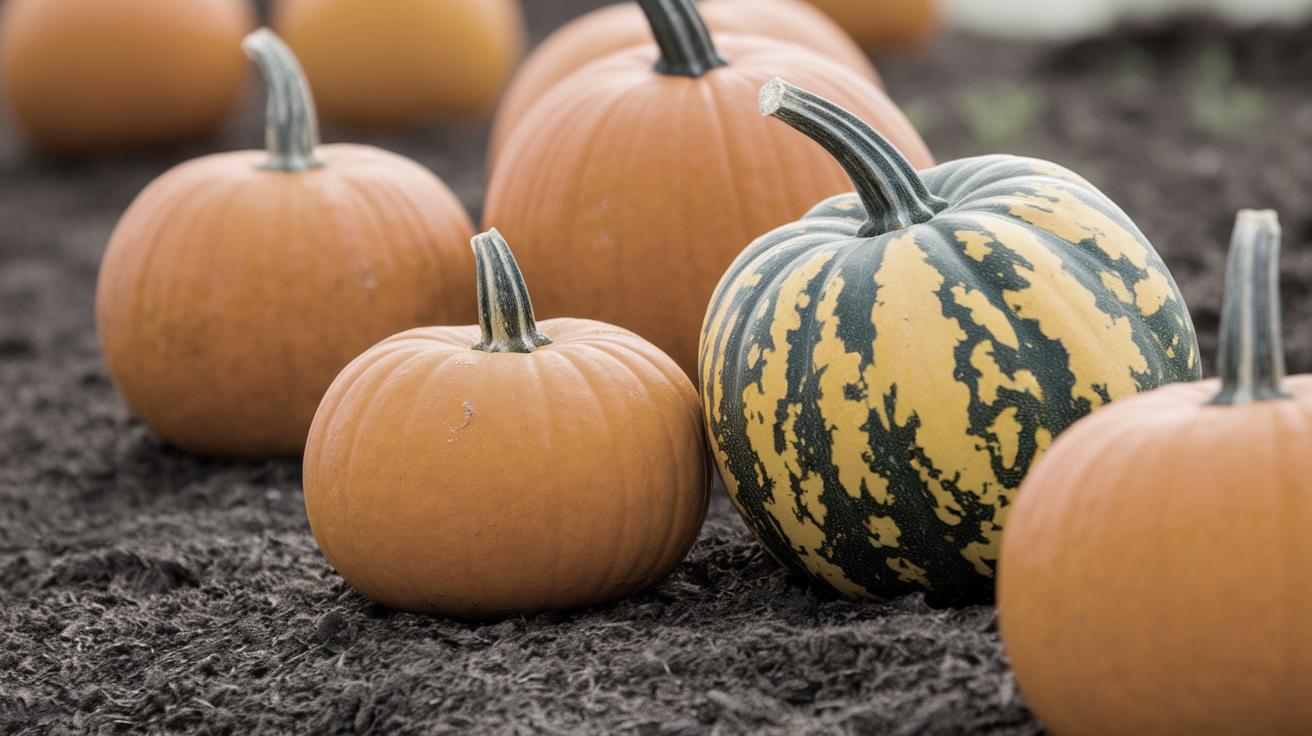
Monitoring pumpkin maturation progress becomes increasingly exciting as harvest approaches. Watch for color changes and rind hardening as indicators of approaching maturity. When skin reaches appropriate variety-specific coloration and the rind feels hard, harvest timing is optimal.
Use sharp knives or pruners to cut pumpkins from vines, leaving several inches of stem attached. This practice helps prevent decay at cut sites and extends storage life. Complete harvest before heavy frosts, which can damage both quality and storage potential of mature pumpkins.
Troubleshooting Common Watering Issues
Overwatering symptoms include yellowing leaves, soft stems, and fungal growth around the base. Reduce watering frequency and improve drainage around plant bases to address these issues.
Underwatering signs manifest as wilting during hot periods, stunted growth, and premature fruit drop. Increase watering frequency and consider mulching to retain soil moisture more effectively.
Inconsistent watering often causes cracking in developing fruits and blossom end rot. Maintain steady moisture levels throughout the growing season for optimal fruit development and quality.
Seasonal Watering Adjustments
Spring planting requires careful moisture management as soil temperatures fluctuate. Monitor weather patterns and adjust watering schedules accordingly to prevent seedling stress.
Summer maintenance demands increased attention to soil moisture levels during peak heat periods. Early morning watering maximizes plant uptake while minimizing evaporation losses.
Fall preparation involves gradually reducing watering frequency as plants approach maturity. This controlled stress helps concentrate sugars in developing fruits and improves storage quality.
You Might Also Like…
Expanding your gardening expertise can lead to discovering other rewarding cucurbit crops to cultivate. Consider growing winter squash or zucchini, which share similar growth requirements and watering needs with pumpkins.
For those interested in companion planting strategies, growing herbs like basil or marigolds alongside pumpkins can help repel certain pests while attracting beneficial insects. Each new crop brings unique methods and benefits, enhancing your gardening skills and garden ecosystem health.
Lessons Learned
| Step | Action | Key Considerations |
|---|---|---|
| 1 | Pick the Perfect Spot, Sunlight Edition | 6-8 hours of sunlight required; choose an open area. |
| 2 | Pick the Perfect Spot, Soil + Watering Edition | Well-drained, fertile soil; consistent watering schedule. |
| 3 | Choosing Your Seeds | Select varieties based on intended use and climate zone. |
| 4 | Make Your Mounds, Plant Your Seeds | Create mounds for drainage; plant 4-6 seeds per mound. |
| 5 | Water, Water, Water! | 1-1.5 inches weekly; deep watering recommended. |
| 6 | Watch Them Grow & Watch Out For Pests and Infections | Regular inspection for pests; use organic remedies. |
| 7 | Flowers! | Encourage natural pollination; hand-pollinate if needed. |
| 8 | Pumpkin Growth & Harvesting | Harvest at proper maturity; cut with stem attached. |