When to Plant Zucchini in Michigan
Zucchini is a summer staple known for its versatility and rapid growth, making it a favorite among gardeners in Michigan. This guide provides detailed insights on when and how to plant zucchini in Michigan, ensuring a bountiful harvest. From selecting the right planting site and understanding the specifics of plant care to recognizing the challenges posed by pests and diseases, this article covers everything you need to know to grow zucchini successfully. Whether you’re interested in traditional gardening or container growing, you’ll learn the best practices to support your zucchini plants and keep them healthy throughout the season. By understanding these essential tips and techniques, you can enjoy homegrown zucchini as a delicious, nutritious addition to your table.
How to Plant Zucchini
When to Plant
The ideal time to plant zucchini in Michigan is after the last frost date when the soil has warmed up to at least 60°F. In most parts of Michigan, this is typically in late May to early June. Zucchini is particularly sensitive to frost, so it’s crucial to wait until the danger of frost has passed before planting.
Begin seeds indoors about two to four weeks before the last frost date to get a head start on the growing season. This can lead to an earlier harvest and make the best use of Michigan’s shorter summer. Transplant seedlings outdoors only when you’re confident they won’t be exposed to frost.
Tip
Monitor local weather forecasts as planting time approaches, and have row covers ready to protect young plants if a surprise cold snap occurs. This small preparation can make a significant difference in the success of your zucchini crop.
Selecting a Planting Site
Choose a planting site that receives full sun for optimal growth. Zucchini thrives in locations that get at least six to eight hours of sunlight per day. Avoid planting in shaded areas, as this can stunt growth and reduce fruit production.
The site should allow for good air circulation to help prevent foliar diseases. Avoid planting zucchini in the same location where other squash plants were grown the previous year, as this can increase the risk of soil-borne diseases and pests.
Spacing, Depth, and Support
Space zucchini plants approximately three feet apart to provide ample room for growth and air circulation. Plant seeds about an inch deep, and if you’re using seedlings, ensure the root ball is level with the surrounding soil.
In some varieties, especially bush types, staking may be necessary as the plants mature to support heavy fruit and prevent breakage. Consider using tomato cages or stakes for added support.
Plant Care
Light
Zucchini plants require a significant amount of daily sunlight, ideally eight hours or more. Sunlight is key for healthy leaf development and robust flowering. If sunlight is limited, expect reduced growth and lower yields.
Position your garden in a bright spot that accommodates this need to help maximize the productivity of your zucchini plants.
Soil
Zucchini prefer well-drained, fertile soil with a pH between 6.0 and 7.5. Rich, organic matter such as compost or aged manure can significantly improve soil fertility and provide the necessary nutrients for rapid growth.
Test your soil before planting and amend it as necessary to achieve the desired pH level and nutrient balance, offering a thriving environment for zucchini growth.
Tip
Consider using raised beds or hills to enhance drainage and maintain warm soil temperatures. This can speed up growth and lead to healthier plants overall.
Water
Zucchini requires consistent moisture to thrive. Water deeply at the base of the plants to encourage deep root development, and try to keep the foliage dry to prevent fungal diseases.
Providing about an inch of water per week is a general guideline, but be sure to adjust based on weather conditions and soil moisture levels.
Temperature and Humidity
Zucchini plants flourish in temperatures between 65°F and 75°F, making the summer months ideal. They do not tolerate cold and can be damaged by temperatures below 50°F.
Humidity levels are generally not a concern as long as the plants receive enough water. However, avoid excessive moisture that can lead to plant diseases.
Fertilizer
A balanced fertilizer applied every few weeks during the growing season can help maintain nutrient levels for optimal plant growth. Slow-release formulas or organic fertilizers like compost tea are excellent choices.
Always follow the manufacturer’s instructions regarding the amount and frequency of fertilizer application to prevent overfeeding and plant damage.
Pollination
Zucchini requires insect pollination, primarily by bees, to produce fruit. Lack of pollination can result in poor yields or malformed fruit. To attract pollinators, maintain a garden biodiversity by planting flowers and herbs that attract bees nearby.
If natural pollination is insufficient, consider hand-pollinating using a small brush to transfer pollen from male to female flowers, enhancing fruit production.
Tip
Encourage a healthy population of pollinators by avoiding pesticides around flowering plants. Using insect-friendly gardening practices will promote a thriving ecosystem conducive to healthy zucchini development.
Harvesting Zucchini
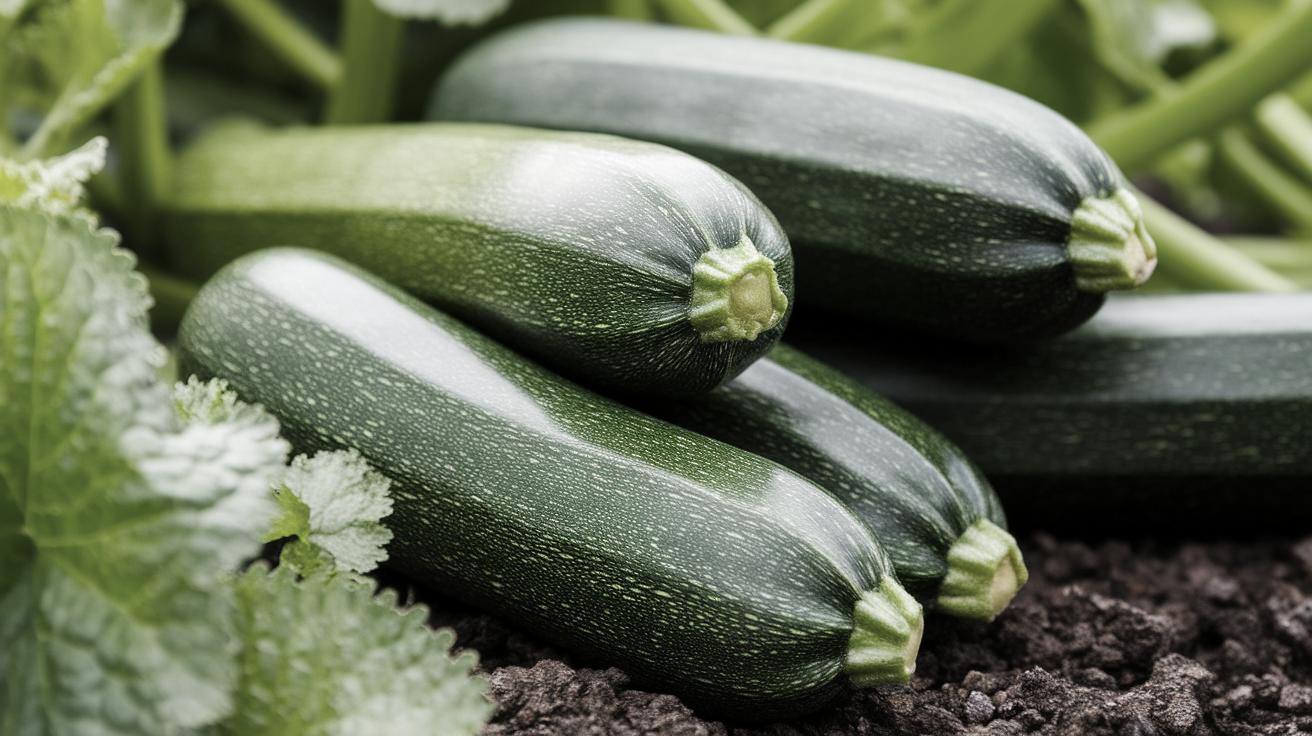
Harvest zucchini when they reach six to eight inches in length; larger fruits can become tough and seedy. Regular harvesting encourages the plant to produce more fruit over the season.
Use a sharp knife or scissors for a clean cut to prevent damage to the plant. Check plants daily, as zucchini can grow quite rapidly, and leaving them too long may reduce yield.
How to Grow Zucchini in Pots
Growing zucchini in pots is a great option for those with limited garden space. Choose a container that is at least 12 inches deep and wide to accommodate the plant’s extensive root system.
Use high-quality potting soil rich in organic material, and ensure the container has sufficient drainage holes. Regular feeding and watering are essential to replicate the conditions of in-ground planting.
Pruning
Pruning zucchini plants can help improve air circulation and reduce the risk of disease. Remove any yellowing or diseased leaves to promote healthier growth.
Pinch off the growing tips of plants when they reach their desired height to encourage bushier growth and a more substantial yield.
Propagating Zucchini
Zucchini is generally propagated from seed, as soft cuttings are not viable. Save seeds from healthy fruits by allowing them to fully mature, then clean and dry them thoroughly before storage.
Seeds usually maintain viability for three to four years, making seed saving a worthwhile endeavor for future planting seasons.
Common Pests and Plant Diseases
Zucchini plants are susceptible to a few common pests and diseases, including squash bugs, cucumber beetles, and powdery mildew.
Regularly inspect plants for signs of infestation or disease, and address issues promptly with organic insecticides or fungicides.
Tip
Crop rotation and companion planting can reduce the likelihood of pest and disease problems. For instance, planting marigolds nearby can help deter harmful insects.
Tip
Encourage beneficial insects such as ladybugs and predatory beetles by providing a habitat with diverse plantings. These allies can naturally reduce pest populations.
More from The Spruce
For more gardening tips and detailed plant care guides, visit The Spruce’s gardening section, which offers a wealth of resources for both novice and experienced gardeners alike.
Summary of Main Points
| Topic | Key Points |
|---|---|
| Planting Time | After last frost; late May to early June in Michigan |
| Planting Site | Full sun, good air circulation, well-drained soil |
| Spacing | Approx. 3 feet apart, 1 inch deep for seeds |
| Plant Care | Consistent water, temperatures between 65°F and 75°F, balanced fertilizers |
| Pollination | Requires insect pollination; can hand-pollinate |
| Harvesting | When 6-8 inches long; promotes continuous yield |
| Pests/Diseases | Squash bugs, cucumber beetles, powdery mildew |