Growing red bell peppers at home transforms your garden into a vibrant culinary paradise with proper techniques and expert care strategies.
Growing red bell peppers can be a rewarding endeavor, offering not only a vibrant addition to your garden but also a delicious ingredient for your culinary creations. This comprehensive guide will walk you through the essentials of cultivating red bell peppers, covering everything from planting and soil care to troubleshooting common issues. We will explore the mysteries of why plants might lose blooms, how to cultivate peppers in containers, and even the intricacies of growing hot and sweet peppers side by side.
For the eager gardener, expert tips on fertilizing, watering, and harvesting will ensure a bountiful yield. Finally, handling those hot peppers and understanding the Scoville scale will round out your pepper-growing knowledge with professional-grade techniques used by master gardeners worldwide.
Quick Guide to Growing Peppers
Growing red bell peppers starts with understanding their fundamental requirements for optimal development. These warm-season crops thrive in well-drained, nutrient-rich soil with consistent temperatures between 70-85°F and require 6-8 hours of direct sunlight daily.
Pepper seedlings should be started indoors approximately 8 to 10 weeks before the last frost date in your area and then carefully transplanted outdoors. This timing ensures proper root establishment and maximizes your growing season for premium fruit production.
To give your peppers the best start, use a high-quality seed starting mix with excellent drainage properties, and maintain them in a sunny, warm location with temperatures consistently above 65°F. Once they are ready to transplant, choose a sunny spot in your garden and space them adequately to ensure good airflow and prevent disease issues.
Soil, Planting, and Care
How deep do I plant pepper plants in the ground?
For planting pepper plants, dig a hole that matches the depth of the plant’s root ball, ideally spacing them 18 inches apart within rows and 24 inches between rows. This precise depth ensures that the root system receives optimal support while accessing essential nutrients from the surrounding soil effectively.
Pepper plants benefit significantly from being planted in soil amended with organic matter, such as well-aged compost or decomposed manure, which enhances soil fertility and drainage capacity. After planting, apply a 2-3 inch layer of organic mulch around the base to conserve moisture and suppress weeds.
How often do I fertilize my bell pepper plants?
Fertilizing your bell peppers is crucial for maximizing their growth potential and fruit production. Start with a balanced fertilizer (10-10-10 or 5-10-10) when planting, and continue to fertilize every 4-6 weeks during the active growing season for sustained nutrient availability.
Look for a fertilizer with an even NPK ratio or one slightly higher in potassium and phosphorus to support robust flowering and fruiting processes. A side dressing of compost or well-aged manure during mid-season provides an excellent nutrient boost while improving soil structure.
Always water thoroughly before and after applying fertilizer to prevent root burn and help nutrients penetrate the soil effectively. Organic fertilizers like fish emulsion or kelp meal provide slow-release nutrition that supports long-term plant health.
How often should I water my bell pepper plants?
Bell peppers require consistent moisture for healthy growth and optimal fruit development. Aim to provide approximately 1-2 inches of water per week, depending on your climate conditions and soil type, while carefully avoiding overwatering that can lead to root rot.
Installing a drip irrigation system can help manage watering efficiently, ensuring peppers receive the right amount of moisture while preventing issues like bacterial wilt and fungal diseases. Water deeply but less frequently to encourage deep root development and drought tolerance.
Monitor soil moisture by inserting your finger 2 inches into the soil – if it feels dry, it’s time to water. Consistent watering prevents blossom end rot and ensures uniform fruit development throughout the growing season.
Advanced Growing Techniques
Companion Planting for Bell Peppers
Companion planting enhances pepper growth by utilizing beneficial plant relationships that improve soil health and pest management. Plant basil, oregano, and parsley near your peppers to repel harmful insects while attracting beneficial pollinators and predatory insects.
Avoid planting peppers near fennel, kohlrabi, or brassicas, as these can inhibit pepper growth through allelopathic effects. Marigolds and nasturtiums serve as excellent companion plants, providing natural pest deterrence while adding visual appeal to your garden.
Pruning and Training Techniques
Pruning pepper plants improves air circulation and directs energy toward fruit production rather than excessive foliage growth. Remove suckers that develop in the crotch between main stems and pinch off lower leaves that touch the ground to prevent disease transmission.
Topping young pepper plants when they reach 6-8 inches encourages bushier growth and increased fruit production. Remove the first few flower clusters on young plants to establish strong root systems before fruit development begins.
Troubleshooting
Why is my plant losing blooms?
Bloom drop in pepper plants typically results from environmental stress factors, particularly temperature fluctuations when exposed to temperatures below 60°F or above 90°F. Maintaining stable growing conditions with minimal stress significantly improves flower retention and fruit set.
Overwatering, nutrient imbalances, and inadequate pollination may also contribute to blossom drop. Monitor these factors carefully and adjust care routines accordingly to prevent further bloom loss and encourage healthy fruit development.
Calcium deficiency and inconsistent watering patterns often cause physiological stress that triggers bloom drop. Ensure consistent soil moisture and consider adding calcium amendments if soil tests indicate deficiencies.
Are tall, leggy pepper plants okay? Should I stake them to prevent breakage from the wind?
Tall, leggy pepper plants typically indicate insufficient light exposure during early growth stages. To combat this issue, ensure your plants receive at least 6-8 hours of direct sunlight each day and consider relocating containers to sunnier locations if necessary.
Staking pepper plants becomes essential when they become too tall or unstable, preventing damage from wind or the weight of heavy fruit production. Use sturdy stakes or tomato cages to provide adequate support without restricting natural growth patterns.
Proper staking also improves air circulation around the plant, reducing the likelihood of fungal diseases while offering crucial support to fruit-laden branches during peak harvest periods.
Is it okay to plant hot peppers next to sweet peppers?
Planting hot and sweet peppers adjacent to each other is perfectly acceptable, as cross-pollination will not affect the flavor profile of the current season’s fruit. However, if you plan to save seeds for future planting, cross-pollination may result in unpredictable heat levels in subsequent generations.
To avoid potential cross-pollination issues when seed saving, consider separating different pepper varieties by at least 50 feet or planting barrier crops between them. This precaution ensures that sweet peppers remain true to their original characteristics.
Pest and Disease Management
Common Pepper Pests and Solutions
Aphids, spider mites, and thrips are the most common pests affecting pepper plants, causing leaf damage and reduced fruit production. Implement integrated pest management strategies using beneficial insects like ladybugs and lacewings for natural pest control.
Hornworms and cutworms can cause significant damage to pepper plants, particularly during early growth stages. Regular inspection and hand-picking, combined with beneficial nematode applications, provide effective organic control methods.
Disease Prevention Strategies
Bacterial spot, anthracnose, and powdery mildew are prevalent pepper diseases that thrive in humid conditions with poor air circulation. Implement proper spacing, drip irrigation, and copper-based fungicides for organic disease management.
Crop rotation prevents soil-borne diseases by avoiding planting peppers in the same location for consecutive years. Rotate with non-solanaceous crops like legumes or brassicas to break disease cycles effectively.
Harvest and Storage
How do I know when to pick my peppers?
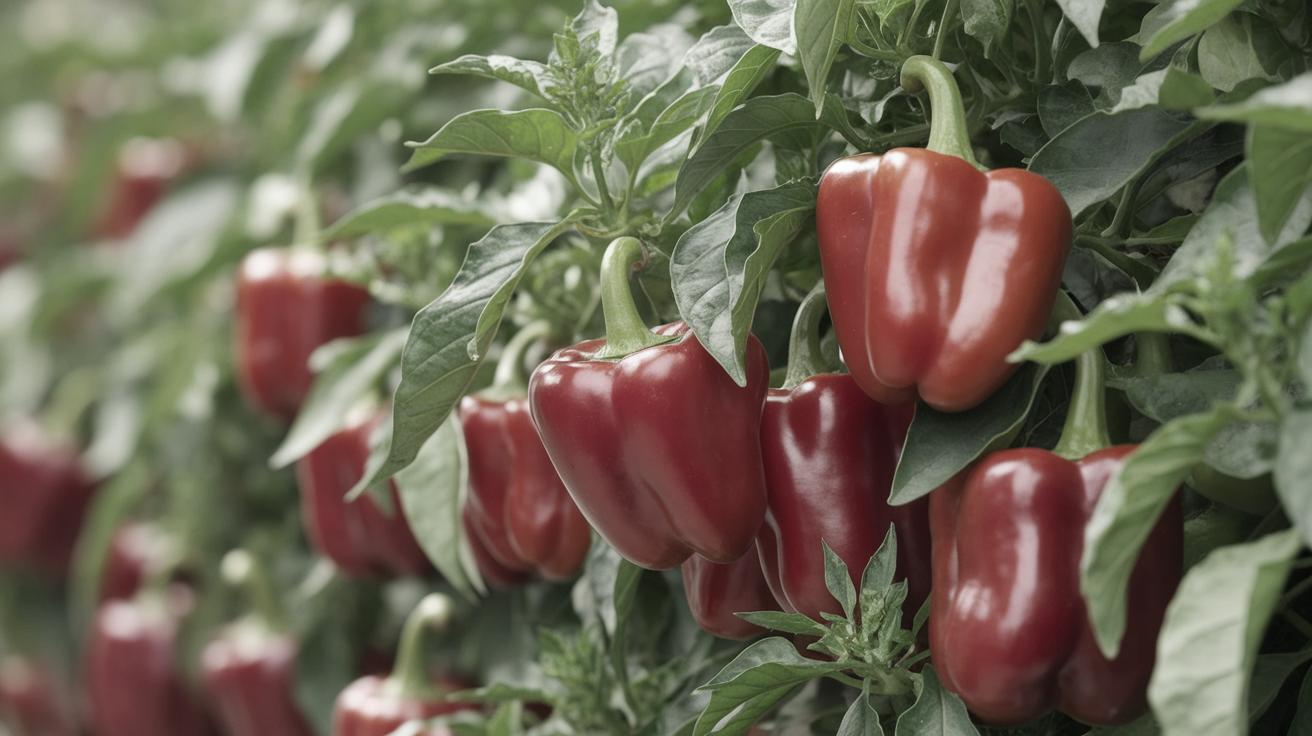
Red bell peppers reach optimal harvest readiness when they achieve full size and display deep, vibrant red coloration with glossy skin texture. Gently twist or cut the pepper from the plant using clean pruning shears to avoid damage to stems and developing fruits.
Regular harvesting every 3-5 days encourages continuous fruit production throughout the growing season. Harvest timing significantly impacts flavor development, as peppers allowed to fully ripen on the plant develop maximum sweetness and nutritional content.
After harvesting, store peppers in a cool, dark place at 45-50°F with 85-90% humidity, or refrigerate them in perforated plastic bags to extend freshness for up to 2-3 weeks while maintaining optimal flavor and texture.
Post-Harvest Processing and Preservation
Freezing bell peppers preserves their nutritional value and extends storage life up to 12 months when properly blanched and packaged. Remove seeds and stems, blanch for 2-3 minutes, then freeze in airtight containers or vacuum-sealed bags.
Dehydrating peppers concentrates flavors while creating shelf-stable products perfect for seasoning blends and cooking applications. Use a food dehydrator or low-temperature oven (135°F) for 8-12 hours until completely dried.
Handling Hot Peppers
Handling hot peppers requires extreme caution due to their capsaicin content, which can cause severe irritation to skin, eyes, and mucous membranes. Always wear nitrile gloves when handling them, and avoid touching your face or eyes during and after processing.
Capsaicin is responsible for the heat sensation in peppers and is measured in Scoville Heat Units (SHUs), with concentrations highest in seeds and white pith areas. Proper ventilation is essential when processing large quantities to prevent respiratory irritation.
If you experience capsaicin exposure, rinse affected areas with dairy products like milk or yogurt, which contain casein proteins that help neutralize the burning compound. Avoid water, which can spread capsaicin and intensify the burning sensation.
Nutritional Benefits and Culinary Uses
Health Benefits of Red Bell Peppers
Red bell peppers contain exceptional levels of vitamin C, providing over 150% of daily requirements per cup, along with significant amounts of vitamin A, folate, and potassium. These nutrients support immune function, eye health, and cardiovascular wellness.
Antioxidants like lycopene and beta-carotene give red peppers their vibrant color while providing anti-inflammatory properties and cellular protection against oxidative stress and chronic diseases.
Culinary Applications and Cooking Methods
Roasted red peppers develop complex, smoky flavors perfect for sauces, soups, and Mediterranean dishes. Roast over open flame or in a 450°F oven until skin blisters and chars, then steam in a covered bowl before peeling.
Stuffed peppers showcase the vegetable’s versatility, accommodating various fillings from traditional rice and meat combinations to modern quinoa and vegetable medleys that cater to diverse dietary preferences.
FAQs
What makes a chili pepper hot?
The heat in chili peppers comes from capsaicin, a compound that binds with vanilloid receptors in the mouth and triggers intense burning sensations. The concentration of capsaicin determines the pepper’s heat level, measured in Scoville Heat Units (SHUs).
Varieties like the Carolina Reaper (2.2 million SHUs) or Ghost Pepper (1 million SHUs) are renowned for their extreme heat levels, while bell peppers rank at zero SHUs due to the complete absence of capsaicin compounds.
Which peppers are best to stuff?
Peppers with thick, sturdy walls and large cavities are ideal for stuffing, with bell peppers being the most popular choice due to their size, shape, and mild flavor profile. Their substantial structure holds fillings securely while maintaining shape during cooking.
Poblano peppers offer an excellent alternative, providing mild chili flavor that complements various stuffing recipes. With their slightly spicier profile and larger size, they’re perfect for those preferring subtle heat in their stuffed pepper preparations.
I just purchased a young bell pepper plant and it has flowers on it. Should I pull the flowers off in order to get larger bell peppers?
It’s advisable to remove early flowers from very young pepper plants to redirect energy toward establishing robust root systems and healthy foliage development. This practice, while sacrificing initial fruit production, results in stronger plants capable of producing larger, higher-quality peppers later.
As the plant matures and develops 6-8 sets of true leaves, allow natural flowering and fruit set to proceed. This timing ensures each fruit receives optimal resources for maximum size and flavor development without overwhelming the developing plant.
Can I plant peppers in containers?
Container-grown peppers can thrive and produce abundantly when provided with adequate space for root development. Choose containers at least 12-15 inches in diameter and 12 inches deep with excellent drainage holes to prevent waterlogging issues.
Use high-quality potting mix specifically formulated for vegetables, and position containers in locations receiving 6-8 hours of direct sunlight daily. Regular watering and fertilization ensure that container-grown peppers achieve yields comparable to ground-planted specimens.
Container gardening offers advantages including mobility for optimal sun exposure, better pest control, and extended growing seasons in colder climates through greenhouse or indoor cultivation methods.
Seasonal Care and Maintenance
Spring Preparation and Planting
Spring preparation begins 8-10 weeks before the last frost date with indoor seed starting using heat mats to maintain optimal germination temperatures of 75-85°F. Prepare garden beds by incorporating 2-4 inches of compost and ensuring proper drainage.
Soil temperature must reach consistently above 60°F before transplanting to prevent transplant shock and ensure rapid establishment. Use row covers or wall-of-water protectors to extend the growing season in cooler climates.
Summer Maintenance and Care
Summer care focuses on consistent watering, regular fertilization, and pest monitoring to maintain plant health during peak growing periods. Mulching becomes crucial for moisture retention and temperature regulation during hot weather.
Heat stress management includes providing afternoon shade during extreme temperatures above 90°F and ensuring adequate air circulation to prevent heat-related disorders and maintain fruit quality.
Fall Harvest and Season Extension
Fall harvest strategies maximize yield before first frost by picking all mature fruits and using season extension techniques like row covers or cold frames. Green peppers can ripen indoors when stored in warm, humid conditions.
Season extension methods include using protective structures and selecting cold-tolerant varieties to extend harvest periods well into autumn months, maximizing return on gardening investments.
Lessons Learned
| Aspect | Details |
|---|---|
| Planting | Use well-drained soil, plant after frost, space properly for air circulation. |
| Fertilizing | Fertilize every 4-6 weeks, water well, use balanced NPK with higher potassium. |
| Watering | 1-2 inches per week, avoid overwatering, drip irrigation beneficial for consistency. |
| Troubleshooting | Manage temperature extremes, stake leggy plants, separate hot/sweet varieties for seed saving. |
| Harvesting | Pick when red and full size, store in cool place or refrigerate for extended freshness. |
| Handling | Use gloves for handling hot peppers, neutralize capsaicin with dairy products. |
| Pest Management | Implement IPM strategies, encourage beneficial insects, practice crop rotation. |
| Container Growing | Use 12+ inch containers, quality potting mix, ensure adequate drainage and sunlight. |