Hanukkah: Celebrating the Festival of Lights
Hanukkah, also known as the Festival of Lights, is a cherished Jewish holiday celebrated with joy and tradition by communities worldwide. In this blog post, we delve into the various aspects of Hanukkah, providing a comprehensive guide to when it begins and ends this year, the significance behind the multiple spellings of its name, and the rich traditions that accompany the holiday. We’ll also explore the beautiful custom of lighting the menorah, the significance of each candle, and share insight into popular Hanukkah foods and traditions. Additionally, we highlight some of the exciting Hanukkah events happening in North Texas. Whether you’re a longtime celebrant or a curious observer, this post offers both warmth and insight into this beautiful eight-day festival.
Are Hanukkah and Channukah the same thing?
The names Hanukkah and Channukah derive from the same Hebrew word, חֲנֻכָּה, which means “dedication.” The festival commemorates the rededication of the Second Temple in Jerusalem during the second century BCE, following the Maccabean Revolt against oppressive Hellenistic rule. The multiple spellings arise from transliteration from Hebrew, which contains sounds and letters not directly represented in the English alphabet. Thus, variations like Hanukkah, Chanukah, and Channukah are attempts to capture the pronunciation within the confines of English phonetics.
While Hanukkah is the most commonly adopted spelling in English, alternative spellings like Chanukah and Channukah capture different phonetic nuances, especially the initial guttural consonant sound that has no direct English equivalent. Ultimately, despite the variances in spelling, the meanings and traditions remain unified. The holiday is celebrated for its historical significance and religious symbolism, marking the miraculous event where a small amount of oil kept the temple’s menorah alight for eight nights.
When does Hanukkah start and end this year?
Hanukkah is celebrated on the 25th day of Kislev according to the Hebrew calendar, but its Gregorian dates vary annually. In 2023, Hanukkah begins at sunset on Thursday, December 7th, and concludes at nightfall on Friday, December 15th. The festive occasion last for eight days and nights, symbolizing the miracle of light that lasted far beyond expectations, hence the name Festival of Lights.
The Hebrew calendar is lunar-based, which results in varying starting dates for Hanukkah each year when translated to the commonly used Gregorian calendar. Families prepare for the occasion with anticipation, marking their calendars and planning the cultural and religious traditions that accompany the celebration, including the lighting of the menorah, special prayers, festive meals, and various communal and familial activities.
How many candles are used for Hanukkah?
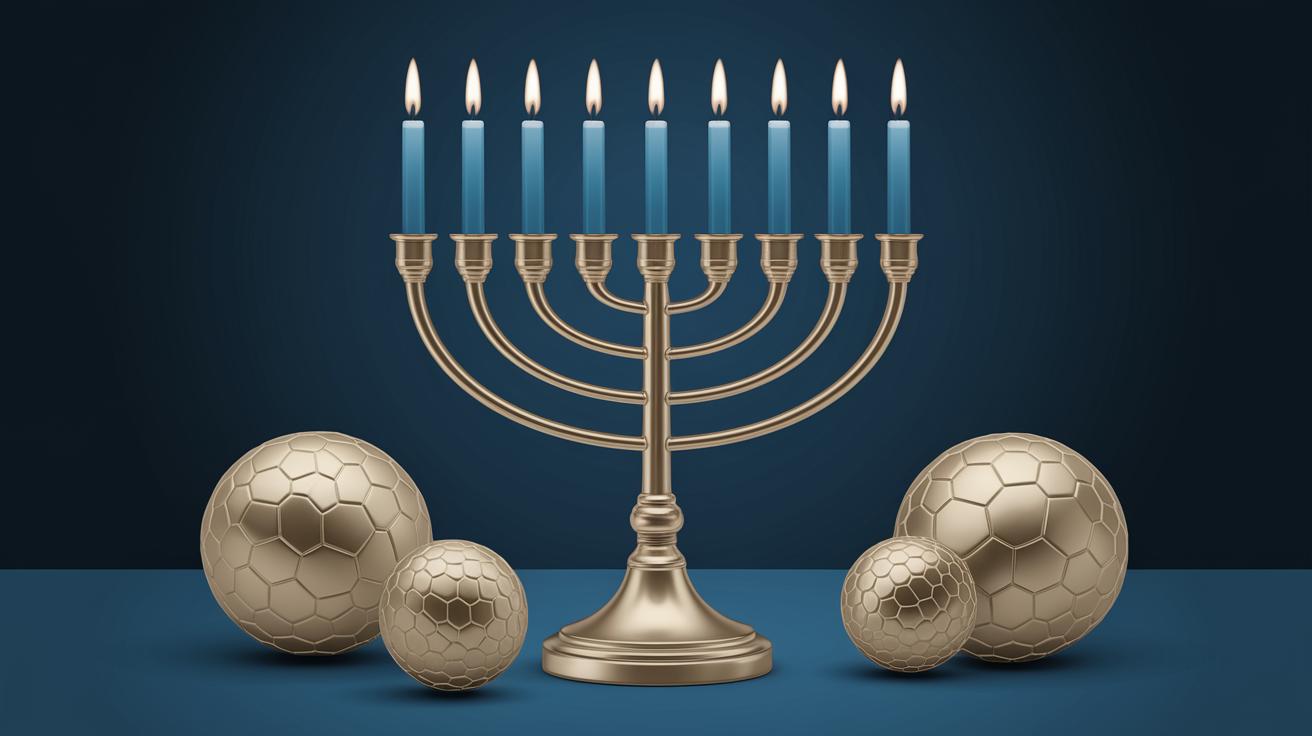
The Hanukkah menorah, known as the hanukkiah, holds nine candles – one for each night of Hanukkah and an additional candle called the shamash, or helper candle. The shamash is used to light the other candles each night. On the first night of Hanukkah, one candle (plus the shamash) is lit, and one more is added on each subsequent night, culminating in all eight candles plus the shamash being lit on the final night.
The lighting of the candles is a central ritual of Hanukkah, symbolizing the miracle that occurred in the Temple. The act of kindling the lights serves as a vivid reminder of themes of hope and perseverance, as well as the dedication of the Maccabees. It’s a time for family gathering, reflection, and the passing down of religious and cultural heritage to younger generations.
How do you set up Hanukkah candles?
Setting up the Hanukkah candles is a ritualistic task filled with meaning. The hanukkiah is positioned usually in a prominent place where the lights can be showcased. Traditionally, the menorah should be placed in a window or near a doorway, in order to fulfill the mitzvah of “publicizing the miracle” to the outside world.
Candles are placed in the menorah from right to left, but lit from left to right. On the first night, the shamash candle is lit first, and then it is used to light the candle on the far right. This pattern repeats each night as an additional candle is added, starting from the newly added candle on the left and proceeding to the right towards the previous nights’ candles.
Which foods and traditions are popular for Hanukkah?
Food plays a deliciously symbolic role during Hanukkah, with many dishes incorporating oil to commemorate the miracle of the oil that lasted eight days in the temple. Among the most popular treats are latkes – potato pancakes typically fried until golden and often served with sour cream or applesauce. Another favorite is sufganiyot, fluffy jelly-filled doughnuts dusted with sugar, enjoyed by both children and adults alike.
Aside from culinary traditions, playing the dreidel game is a beloved family activity during Hanukkah. The dreidel is a four-sided spinning top with Hebrew letters: Nun, Gimel, Hei, and Shin, which represent the phrase “Nes Gadol Haya Sham” (a great miracle happened there). Additionally, giving gelt – either in the form of real money or chocolate coins – is another tradition rooted in history, emphasizing generosity and the spirit of giving.
Hanukkah events in North Texas
North Texas hosts a variety of Hanukkah events that bring communities together to celebrate the festival. From menorah lightings in public spaces to festive parades and cultural exhibitions, there are numerous opportunities for people of all backgrounds to partake in the joyous celebrations. These events often feature musical performances, traditional dancing, and opportunities to learn more about the history and significance of Hanukkah.
Local synagogues and community centers frequently organize special gatherings for families, offering activities such as crafts, storytelling sessions, and games. These interactive events foster a deeper understanding of Hanukkah’s themes of perseverance, faith, and community spirit, while also encouraging an atmosphere of inclusivity and joy. Participating in these local festivities allows individuals to connect with their heritage and share the wonders of Hanukkah with the broader community.
Summary of Main Points
| Topic | Details |
|---|---|
| Are Hanukkah and Channukah the same thing? | Yes, they are the same holiday, with variations in spelling due to transliteration from Hebrew. |
| When does Hanukkah start and end this year? | Begins December 7th at sunset and ends December 15th in 2023, based on the Hebrew lunar calendar. |
| How many candles are used for Hanukkah? | Eight candles for the eight nights, plus the shamash, totaling nine candles. |
| How do you set up Hanukkah candles? | Candles are placed from right to left and lit from left to right, with the shamash used for lighting. |
| Which foods and traditions are popular for Hanukkah? | Favorite foods include latkes and sufganiyot; traditions encompass playing dreidel and giving gelt. |
| Hanukkah events in North Texas | Various community events include public menorah lightings and cultural festivities to celebrate the holiday. |