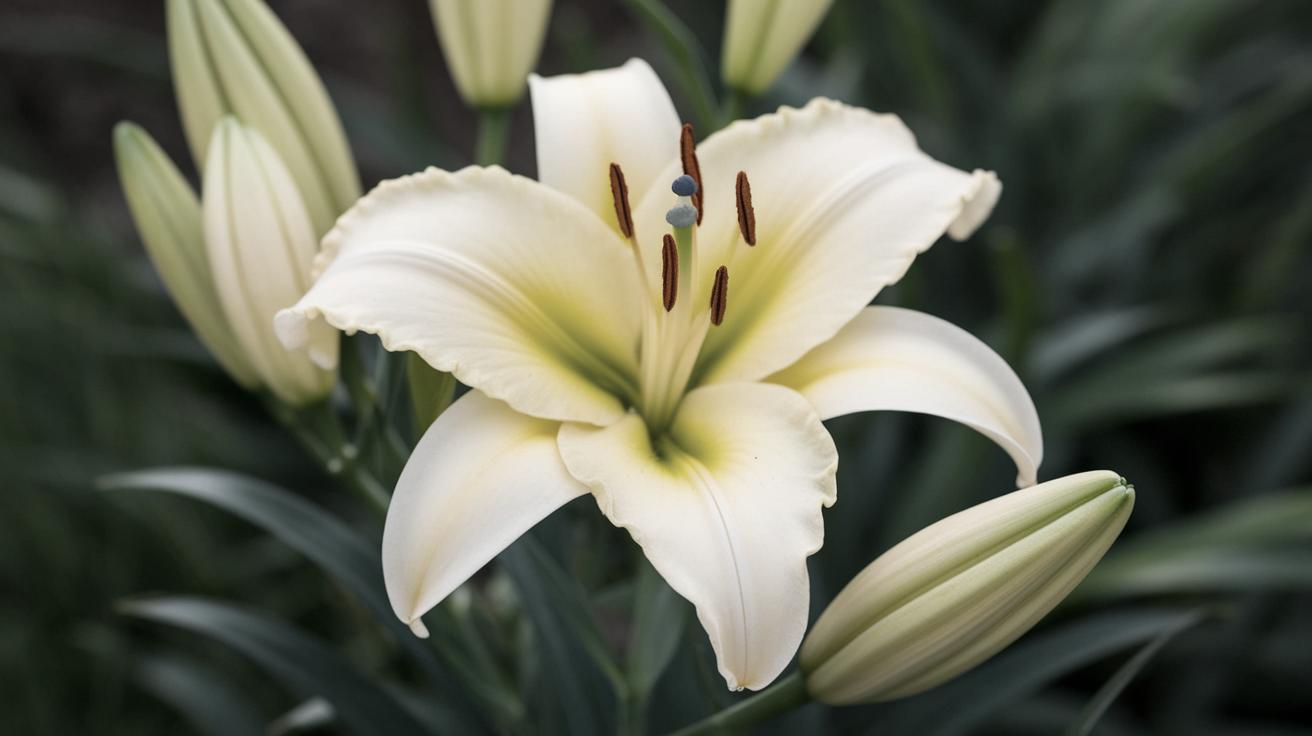
When to Plant Crocus Bulbs
Crocus bulbs transform gardens into vibrant spring displays when planted at optimal times. Understanding precise planting schedules for different crocus varieties ensures maximum bloom success and garden impact.
Fall Flowering Crocus
Fall flowering crocuses bloom in autumn when most plants fade, creating unexpected garden beauty. Plant these bulbs in late summer between August and early September for optimal root establishment before winter dormancy.
These autumn bloomers thrive in well-drained soil with full sun to partial shade exposure. Plant bulbs at three times their height depth, spacing them 3-4 inches apart for proper air circulation and nutrient access.
Popular fall varieties include Crocus speciosus and Crocus sativus (saffron crocus), producing purple, lilac, and white blooms. These hardy perennials naturalize effectively, multiplying annually to create expansive autumn color displays.
Snow Crocus
Snow crocuses emerge as winter’s first harbingers, often blooming through melting snow. Plant these resilient bulbs from late September through November before ground freezing occurs.
Crocus chrysanthus and Crocus tommasinianus represent premier snow crocus varieties, tolerating temperatures down to -30°F. These compact bloomers require well-draining soil and benefit from bone meal fertilization during planting.
Snow crocuses excel in naturalization projects, spreading through underground stolons and self-seeding. Their early nectar provides crucial sustenance for emerging pollinators, supporting local ecosystem health.
Large Flowering Crocus
Large flowering crocuses produce substantial 4-5 inch blooms in vibrant spring displays. Plant these impressive bulbs from late September through November for robust spring flowering performance.
Dutch hybrid varieties like Crocus vernus require deeper planting at 4-5 inches with enhanced soil preparation. Incorporate compost and ensure pH levels between 6.0-7.0 for optimal nutrient uptake and bloom development.
These premium varieties offer extended bloom periods lasting 2-3 weeks with proper care. Succession planting different cultivars extends flowering seasons from early March through late April in most temperate zones.
Optimal Soil Conditions and Site Selection
Soil drainage represents the most critical factor for crocus bulb success and longevity. Heavy clay soils require amendment with coarse sand, perlite, or organic matter to prevent bulb rot during wet periods.
Ideal crocus sites receive 6-8 hours daily sunlight with protection from harsh winter winds. Slopes and raised beds provide excellent drainage while preventing water accumulation around dormant bulbs.
Soil temperature monitoring ensures optimal planting timing – bulbs should be planted when soil temperatures consistently remain below 60°F. Digital soil thermometers provide accurate readings for precise planting schedules.
Caring for Crocuses
Consistent moisture management during active growth phases significantly enhances crocus vitality and bloom quality. Water deeply but infrequently, allowing soil to dry between irrigation cycles.
Apply balanced 10-10-10 fertilizer during early spring emergence, followed by high-phosphorus fertilizer after blooming concludes. Avoid nitrogen-heavy fertilizers which promote excessive foliage at bloom expense.
Deadheading spent flowers immediately redirects energy toward bulb development and next season’s bloom potential. Allow foliage to remain until yellowing naturally occurs, typically 6-8 weeks post-bloom.
Common Planting Mistakes to Avoid
Shallow planting represents the most frequent crocus cultivation error, resulting in poor flowering and bulb vulnerability. Insufficient depth exposes bulbs to temperature fluctuations and rodent predation.
Overcrowding bulbs restricts air circulation and creates competition for nutrients and moisture. Maintain proper spacing guidelines even when creating naturalized drifts for optimal individual bulb performance.
Late season planting prevents adequate root development before winter dormancy. Bulbs planted after December rarely establish properly and often fail to bloom in their first season.
Regional Planting Variations
USDA hardiness zones significantly influence optimal crocus planting schedules and variety selection. Northern zones (3-5) require earlier fall planting, while southern zones (7-9) can plant later with pre-chilling requirements.
Coastal regions benefit from maritime climate moderation but require attention to salt exposure and wind protection. Inland areas experience greater temperature extremes requiring deeper planting and mulch protection.
Microclimates within individual gardens create varying planting opportunities – utilize protected areas for tender varieties while exposing hardy types to challenging conditions for natural selection.
Pest and Disease Management
Rodent protection prevents significant bulb losses during winter storage periods. Hardware cloth barriers or bulb cages provide effective physical protection without chemical interventions.
Bulb rot diseases typically result from excessive moisture and poor drainage conditions. Inspect bulbs carefully before planting, discarding any showing soft spots or discoloration.
Integrated pest management approaches combine cultural practices, biological controls, and targeted treatments for sustainable crocus cultivation. Regular monitoring enables early intervention and problem prevention.
Contact Longfield Gardens
If you’re seeking high-quality crocus bulbs and expert gardening advice, consider reaching out to Longfield Gardens. Their knowledgeable staff provide resources and guidance tailored to all your gardening needs, from selecting the best varieties for your region to detailed planting instructions. With Longfield Gardens’ reliable products and support, you can confidently transform your garden into a vibrant oasis of crocus blooms each season.
Visit their website or contact them directly for assistance in choosing the right crocuses for your garden and understanding the best planting times and care routines. A partnership with Longfield Gardens can elevate your gardening experience, ensuring you’re equipped with everything you need to succeed.
Next Steps
| Crocus Variety | Optimal Planting Time | Special Care Tips |
|---|---|---|
| Fall Flowering Crocus | Late summer (August to early September) | Well-drained soil, full sun to partial shade |
| Snow Crocus | Fall (late September to November) | Plant before ground freezes, protect from frost |
| Large Flowering Crocus | Fall (late September to November) | Loosened, well-draining soil; timely watering |