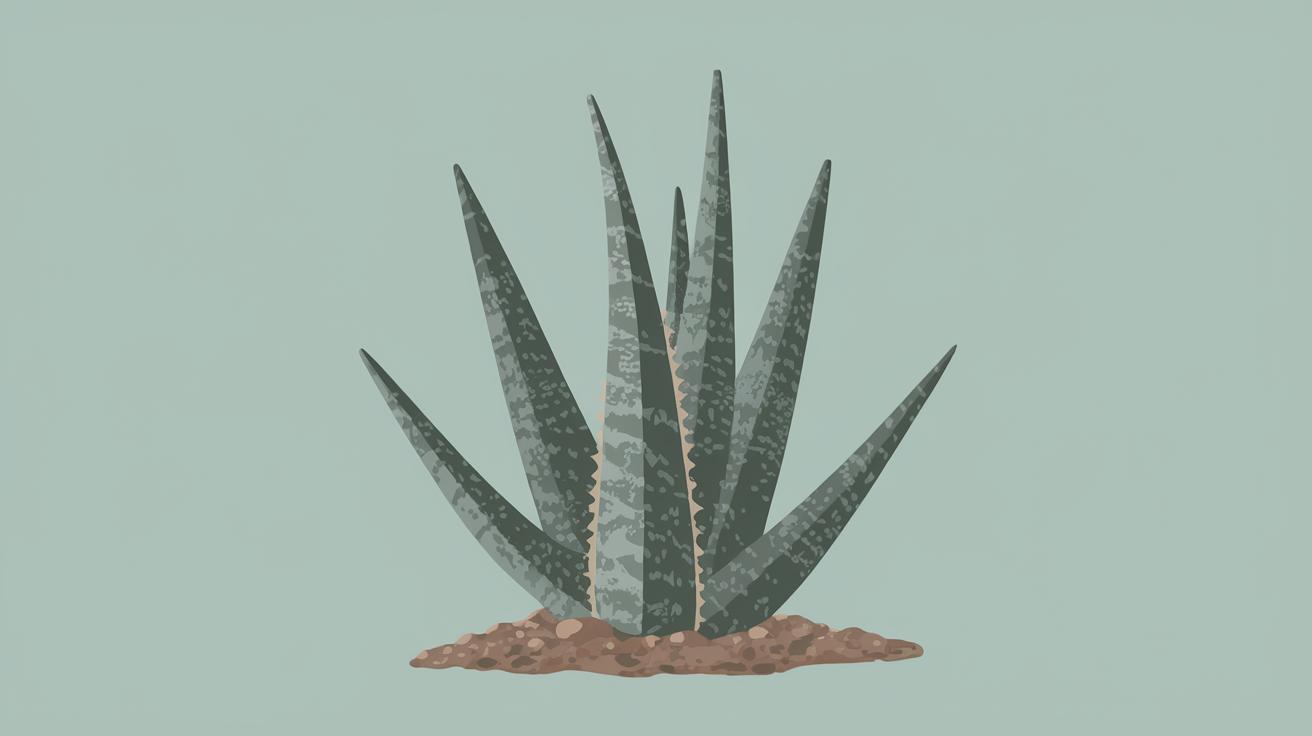
Aloe vera plants require specific watering schedules to thrive, with proper timing being crucial for preventing root rot and maintaining healthy growth.
How Often To Water An Aloe Vera Plant
Aloe vera plants, like most succulents, store water in their thick, fleshy leaves, making them highly drought-tolerant. This natural adaptation means they do not require frequent watering like traditional houseplants. Typically, you should water your aloe vera every 2-3 weeks during its growing season, which occurs in the spring and summer months when temperatures range between 65-80°F (18-27°C).
The exact frequency depends on various environmental factors including humidity levels, pot size, drainage quality, and indoor temperature. It’s essential to let the soil dry out completely between waterings to mimic the plant’s natural desert habitat. Use the finger test by inserting your finger 1-2 inches into the soil – if it feels completely dry, it’s time to water.
Inadequate drying periods between waterings can lead to root rot, one of the most common and deadly issues affecting aloe plants. Signs of proper hydration include firm, plump leaves with a vibrant green color and slight translucency.
How Often To Water Aloe In Winter
During winter months (November through February), aloe vera enters a natural dormancy period where growth significantly slows down. During this time, extend watering intervals to once every 4-6 weeks, allowing the soil to dry out completely between waterings to replicate the plant’s native arid environment.
Winter care requires extra caution as cold temperatures and reduced sunlight slow the plant’s water uptake capacity. Position your aloe near a south-facing window with bright, indirect light while avoiding cold drafts from windows or heating vents that can stress the plant.
Monitor indoor humidity levels during winter heating season, as dry air can affect the plant’s water needs. Ideal humidity ranges between 40-50% for optimal aloe vera health during dormancy.
How To Water Aloe Vera
The watering technique is as crucial as timing for aloe vera success. Always ensure your pot has adequate drainage holes to prevent water accumulation at the bottom. Use pots with at least 2-3 drainage holes and place a saucer underneath to protect surfaces.
Water the plant thoroughly and slowly until you observe water seeping through the drainage holes, ensuring complete soil saturation. This deep watering method encourages healthy root development and prevents shallow root systems that are more susceptible to drought stress.
Avoid splashing water directly onto the leaves, as wet foliage can attract fungal infections, bacterial rot, and common pests like mealybugs or spider mites. Instead, direct water flow toward the soil surface around the base of the plant using a watering can with a narrow spout or a squeeze bottle for precision.
Best Water Quality For Aloe Vera
Use room temperature, filtered water when possible, as aloe vera plants are sensitive to chlorine and fluoride commonly found in tap water. Distilled water or rainwater provides optimal results for long-term plant health and prevents mineral buildup in the soil.
Do You Water Aloe Vera From Top Or Bottom?
Aloe vera plants respond well to both top and bottom watering methods, though top watering remains the most practical and widely recommended approach. Pour water slowly at the plant’s base until it begins seeping from drainage holes, ensuring even moisture distribution throughout the root zone.
Bottom watering can be particularly effective for encouraging deeper root growth and preventing water contact with leaves. Place the pot in a shallow tray filled with 1-2 inches of water and allow it to sit for 10-15 minutes. The soil will absorb moisture through capillary action via the drainage holes.
Bottom watering also reduces the risk of overwatering since the plant only absorbs what it needs. Remove the pot from the water tray once the top inch of soil feels moist to the touch.
Signs Your Aloe Vera Needs Water
Recognizing proper watering cues prevents both under and overwatering issues. Healthy aloe vera leaves should feel firm and plump with a slight give when gently squeezed. When the plant needs water, leaves may appear slightly wrinkled, feel softer than usual, or show minor inward curling at the tips.
The soil test remains the most reliable indicator – insert your finger 1-2 inches deep into the soil. Completely dry soil indicates it’s time to water, while any residual moisture means you should wait several more days.
Additional visual cues include leaves that appear less vibrant or slightly dulled in color, though these changes are subtle and develop gradually over time.
Tips To Avoid Overwatering
Overwatering represents the leading cause of aloe vera plant death, making prevention strategies essential for long-term success. Always use pots with multiple drainage holes and never allow plants to sit in standing water for extended periods.
Invest in a high-quality succulent or cactus potting mix that contains perlite, coarse sand, or pumice for enhanced drainage. Standard potting soil retains too much moisture and can suffocate aloe vera roots. A proper soil mix should drain completely within 5-10 minutes of watering.
When in doubt, err on the side of underwatering rather than overwatering. Aloe vera plants can survive weeks without water but may die within days if roots become waterlogged. Keep a watering journal to track dates and observe your plant’s response patterns.
Environmental Factors Affecting Watering Frequency
Temperature, humidity, and air circulation significantly impact watering needs. Higher temperatures and lower humidity increase water evaporation, requiring more frequent watering. Conversely, cool, humid conditions slow water uptake and extend intervals between waterings.
Pot size and material also influence watering frequency – terracotta pots dry out faster than plastic or ceramic containers, while larger pots retain moisture longer than smaller ones.
Overwatered Aloe Vera Plant Care
Quick action is essential when dealing with overwatered aloe vera plants. Early signs include yellowing or browning leaves, mushy or translucent leaf texture, and a soft, squishy stem base. Advanced cases may show black or brown root rot and emit a foul odor from the soil.
Immediately remove the plant from its pot and gently shake off excess soil to examine the root system. Healthy roots appear white or light tan, while rotted roots are black, brown, or mushy. Use sterilized scissors or pruning shears to remove all damaged roots and affected leaves.
Allow the plant to air dry for 3-5 days in a warm, well-ventilated area away from direct sunlight. This drying period allows cut surfaces to callus over, preventing further bacterial or fungal infections when repotted.
Repotting After Overwatering
Use completely fresh, dry succulent potting mix when repotting your recovered aloe vera. Choose a pot only slightly larger than the root system with excellent drainage. Wait 7-10 days after repotting before resuming normal watering to allow the plant to establish in its new environment.
Seasonal Watering Adjustments
Aloe vera watering schedules should adapt to seasonal changes in temperature, daylight hours, and humidity levels. Spring marks the beginning of active growth, requiring gradual increases in watering frequency as temperatures warm and daylight extends.
Summer represents peak growing season when aloe vera may need water every 2-3 weeks, depending on environmental conditions. Monitor soil moisture more frequently during hot weather, as increased evaporation can dry soil faster than expected.
Fall signals the transition to dormancy, requiring gradual reduction in watering frequency. By late fall, extend intervals to 4-5 weeks as the plant prepares for winter rest.
Frequently Asked Questions
How do I know if my aloe plant needs water?
An aloe plant needs water when the top 1-2 inches of soil feel completely dry to the touch. Additional indicators include slightly wrinkled or softer leaves, though these changes are subtle. The soil test remains the most reliable method for determining watering needs.
What does an overwatered aloe plant look like?
Overwatered aloe plants exhibit yellowing or browning leaves, mushy or translucent leaf texture, and soft stem bases. In severe cases, you may notice black or brown roots, foul-smelling soil, and leaves that fall off easily when touched. Immediate intervention is required to save overwatered plants.
Can I use tap water for my aloe vera?
While tap water is acceptable for most aloe vera plants, filtered or distilled water provides better long-term results. Tap water containing high levels of chlorine, fluoride, or minerals can cause leaf tip browning and soil buildup over time.
Should I mist my aloe vera leaves?
Never mist aloe vera leaves, as this practice can promote fungal infections and bacterial rot. Aloe vera plants absorb water through their roots, not their leaves, making foliar watering unnecessary and potentially harmful.
How long can aloe vera go without water?
Mature aloe vera plants can survive 4-6 weeks without water during their dormant period, though this varies based on environmental conditions. Younger plants or those in active growth may need water every 2-3 weeks to maintain optimal health.
Next Steps
| Aspect | Key Tips | Frequency |
|---|---|---|
| Spring/Summer Watering | Water when soil is completely dry; check weekly | Every 2-3 weeks |
| Fall/Winter Watering | Reduce frequency; allow extended dry periods | Every 4-6 weeks |
| Watering Method | Water at base until drainage; avoid leaves | Deep, thorough watering |
| Soil Requirements | Well-draining succulent mix with perlite | Replace annually |
| Overwatering Prevention | Proper drainage; soil moisture testing | Check before each watering |
| Recovery Care | Remove from pot; dry roots; fresh soil | As needed for problems |
Successful aloe vera care depends on understanding your plant’s natural drought-adapted biology and adjusting watering practices accordingly. By following these evidence-based guidelines and monitoring your plant’s response, you’ll maintain healthy, thriving aloe vera plants that can provide years of beauty and potential medicinal benefits.