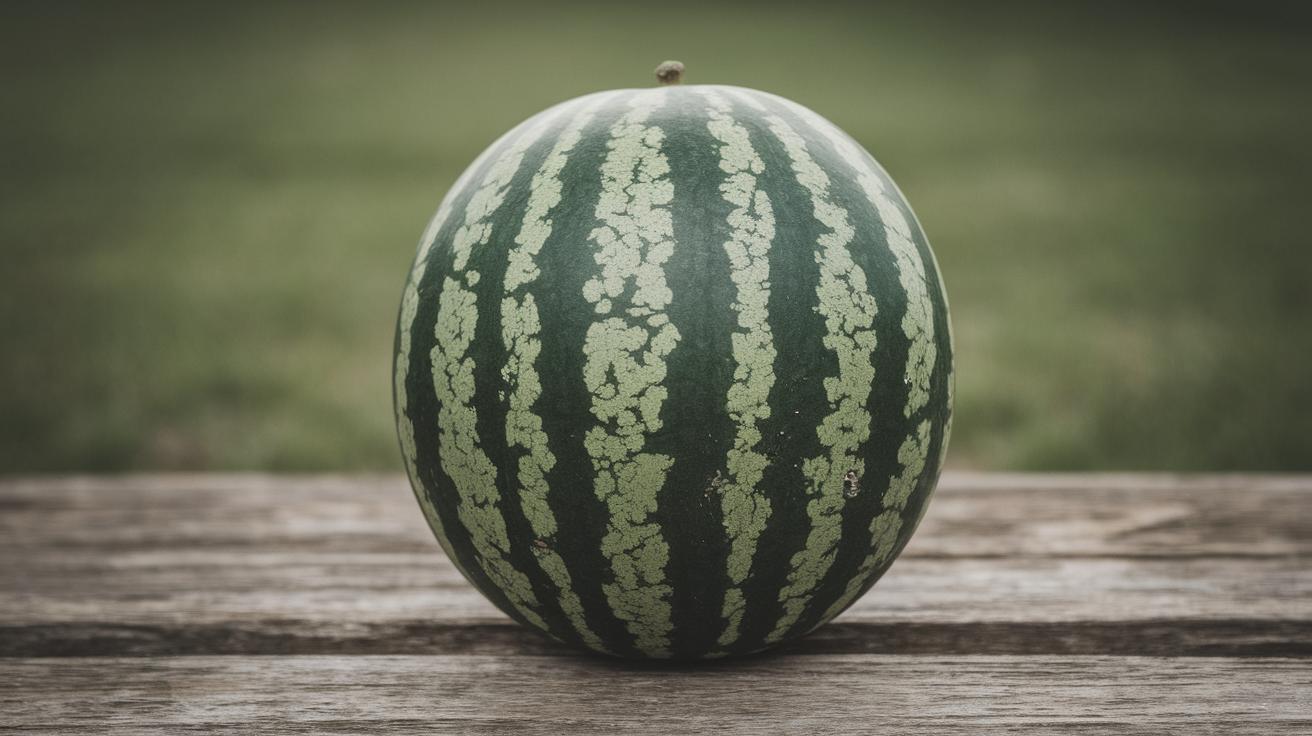
Master the art of watermelon watering with proven techniques that guarantee juicy, sweet harvests every season.
Essential Watering Fundamentals for Watermelon Success
Watermelon irrigation requires precision timing and proper techniques to achieve optimal fruit development. These warm-season crops demand consistent moisture management throughout their 90-120 day growing cycle. Understanding when and how to water directly impacts fruit size, sweetness, and overall plant health.
Professional growers consistently achieve 25-30 pound watermelons by following specific watering protocols. The key lies in matching water delivery to each growth stage, from seedling establishment through fruit maturation.
Watermelon Overview
Watermelons (Citrullus lanatus) belong to the Cucurbitaceae family, requiring substantial water intake due to their 92% water content. These heat-loving vines originated in Africa’s Kalahari Desert, explaining their drought tolerance once established. Modern varieties range from 2-pound personal melons to 200-pound giants.
Beyond refreshment, watermelons provide lycopene, citrulline, and vitamins A and C. Their extensive root systems can reach 6 feet deep, making proper watering techniques crucial for accessing soil nutrients and maintaining plant vigor.
Where to Plant Watermelon
Select locations with full sun exposure (8+ hours daily) and excellent drainage to prevent waterlogged roots. Watermelons thrive in sandy loam soils with pH 6.0-7.0, allowing rapid water infiltration and root expansion. Avoid low-lying areas where water accumulates after rainfall.
Space considerations are critical – each plant requires 32-50 square feet for vine spread. Raised beds or mounded rows improve drainage while warming soil faster in spring. Consider prevailing winds for natural pest control and air circulation.
How and When to Plant Watermelon
Plant watermelon seeds when soil temperature consistently reaches 70°F (21°C), typically 2-3 weeks after the last frost date. Direct seeding works best, as watermelons dislike root disturbance. In shorter seasons, start seeds indoors 3-4 weeks before transplanting.
Create planting hills 6-8 inches high and 3 feet wide to enhance drainage and soil warming. Plant 6-8 seeds per hill, later thinning to the strongest 2-3 seedlings. This method ensures successful germination while providing backup plants.
Watermelon Care Tips
Light Requirements
Watermelons demand maximum sunlight exposure for photosynthesis and sugar development. Insufficient light (less than 6 hours daily) results in poor fruit set, reduced sweetness, and increased disease susceptibility. Position plants where morning sun dries dew quickly, reducing fungal problems.
Monitor seasonal sun patterns, as nearby trees or structures may create shade as the season progresses. Reflective mulches can increase light exposure to lower leaves, improving overall plant performance and fruit quality.
Soil and Water Management
Well-draining sandy loam with 2-3% organic matter provides ideal growing conditions. Conduct soil tests to ensure adequate phosphorus and potassium levels, essential for root development and fruit formation. Amend heavy clay soils with compost and coarse sand to improve drainage.
Install drip irrigation systems for precise water delivery, reducing leaf wetness and disease pressure. Watermelons require 1-2 inches weekly, with increased needs during flowering and fruit development stages. Mulching conserves moisture while suppressing weeds that compete for water.
When to Water Watermelons
Critical watering periods include seedling establishment (first 2-3 weeks), flowering initiation, and fruit sizing phases. Young plants need frequent, light watering to establish shallow roots. As plants mature, transition to deeper, less frequent irrigation encouraging extensive root development.
Peak water demand occurs during fruit expansion, typically 3-5 weeks after pollination. Monitor soil moisture at 6-8 inch depths using a soil probe or moisture meter. Reduce watering 1-2 weeks before harvest to concentrate sugars and prevent fruit splitting.
How to Water Watermelon Plants
Apply water directly to soil rather than foliage to minimize disease risks. Deep, infrequent watering promotes extensive root systems capable of accessing deeper soil moisture. Water early morning (6-8 AM) allowing plants to absorb moisture before daily heat stress.
Use soaker hoses or drip irrigation delivering water at 0.5-1.0 inches per hour. This slow application rate prevents runoff while ensuring deep soil penetration. Avoid overhead sprinklers that wet leaves, creating favorable conditions for powdery mildew and bacterial diseases.
Temperature and Humidity Considerations
Optimal growing temperatures range 75-85°F (24-29°C) during the day with nighttime temperatures above 60°F (15°C). High humidity combined with poor air circulation promotes fungal diseases. Space plants adequately and remove excess vegetation to improve airflow.
Use row covers during temperature extremes, removing them once flowering begins to allow pollinator access. Mulching moderates soil temperature fluctuations while maintaining consistent moisture levels throughout the root zone.
Fertilizer Applications
Apply balanced fertilizer (10-10-10) at planting, followed by side-dressing with nitrogen when vines begin running. Avoid excessive nitrogen during fruit development, which promotes leaf growth at the expense of fruit quality. Switch to high-potassium fertilizers during fruit sizing.
Foliar feeding with calcium and magnesium solutions prevents blossom end rot and improves fruit quality. Apply micronutrients based on soil test results, as deficiencies can limit water uptake and nutrient transport within plants.
Strategic Pruning Techniques
Selective pruning improves air circulation and directs plant energy toward fruit production. Remove diseased or damaged vines immediately to prevent pathogen spread. Limit each plant to 2-3 fruits for maximum size and quality.
Pinch growing tips once fruits reach softball size, redirecting energy into fruit development rather than continued vine growth. Remove secondary shoots growing from main vine joints to concentrate resources on primary fruit-bearing branches.
Container Growing Methods
Use containers minimum 20 gallons (75 liters) for adequate root space and water retention. Container-grown watermelons require more frequent watering due to faster soil drying. Choose compact varieties like ‘Bush Sugar Baby’ or ‘Golden Midget’ for container cultivation.
Ensure containers have multiple drainage holes preventing waterlogged conditions. Use high-quality potting mix with added compost and perlite for drainage. Consider self-watering containers or drip irrigation systems for consistent moisture management.
Advanced Watering Techniques for Maximum Yield
Deficit irrigation strategies can improve fruit quality by slightly stressing plants during specific growth stages. Reduce watering by 20-30% during early fruit development to concentrate sugars, then resume normal irrigation during rapid fruit expansion.
Implement soil moisture monitoring using tensiometers or electronic sensors for precise irrigation timing. Maintain soil moisture at 70-80% field capacity during critical growth periods, adjusting based on weather conditions and plant development stages.
Seasonal Water Management
Early season watering focuses on root establishment with frequent, shallow applications. Mid-season irrigation supports rapid vine growth and flower development with deeper, less frequent watering. Late-season management balances fruit sizing needs with harvest quality considerations.
Adjust watering frequency based on rainfall patterns and seasonal temperature variations. Install rain gauges to accurately measure natural precipitation, supplementing with irrigation as needed to maintain optimal soil moisture levels.
Pests and Problems
Common watermelon pests include cucumber beetles, squash bugs, and aphids, often attracted to water-stressed plants. Maintain consistent soil moisture to keep plants vigorous and naturally pest-resistant. Use yellow sticky traps for early pest detection and monitoring.
Fungal diseases like fusarium wilt and anthracnose thrive in overly wet conditions. Ensure proper drainage and avoid overhead watering to minimize disease pressure. Apply preventive fungicide treatments during humid weather periods following label instructions.
How to Propagate Watermelon
Seed propagation remains the primary method for watermelon cultivation. Start seeds indoors in biodegradable pots to minimize transplant shock. Maintain soil temperature at 80-85°F (27-29°C) for optimal germination within 7-10 days.
Keep seedling soil consistently moist but not waterlogged during the critical establishment period. Transplant seedlings when soil temperature reaches 70°F (21°C) and all frost danger has passed, typically 2-3 weeks after indoor germination.
How to Get Sweet Watermelons
Sugar concentration depends on consistent watering throughout fruit development followed by reduced irrigation during final ripening. Maintain steady soil moisture during fruit expansion, then decrease watering 10-14 days before harvest to concentrate natural sugars.
Adequate potassium nutrition enhances sugar transport and accumulation within developing fruits. Apply potassium sulfate during fruit sizing stages while ensuring sufficient calcium availability to prevent physiological disorders affecting fruit quality.
How to Grow Seedless Watermelons
Seedless varieties (triploids) require specific growing conditions including consistent moisture and temperature management. These varieties often need longer germination periods and more careful watering during establishment due to reduced seed vigor.
Plant seeded pollinizer varieties nearby (25% of total plants) to ensure adequate pollen for fruit set. Maintain optimal growing conditions as seedless varieties are often more sensitive to environmental stress than traditional seeded types.
Harvesting Watermelon
Harvest indicators include the ground spot changing from white to creamy yellow, dried tendrils near the fruit stem, and a hollow sound when tapped. Reduce watering 1-2 weeks before expected harvest to concentrate flavors and prevent fruit cracking.
Cut fruits from vines using sharp pruning shears rather than pulling, which can damage plants and reduce storage life. Harvest during cool morning hours when fruits have maximum sugar content and firmness for best eating quality.
Types of Watermelon
‘Crimson Sweet’ Watermelon
This disease-resistant variety produces 20-25 pound fruits with classic striped rinds and bright red flesh. ‘Crimson Sweet’ tolerates variable watering conditions better than many varieties, making it ideal for beginning gardeners or areas with inconsistent rainfall.
Maturity occurs in 80-85 days with excellent storage characteristics. The variety’s robust nature and consistent performance have made it a commercial standard for over 40 years.
‘Jubilee II Hybrid’ Watermelon
Heat-tolerant hybrid producing elongated fruits averaging 22-28 pounds with exceptional sweetness. This variety performs well in hot, humid climates where other watermelons struggle, requiring consistent deep watering during extreme heat periods.
The improved disease resistance and uniform fruit size make ‘Jubilee II’ popular among market growers seeking reliable production in challenging growing conditions.
‘Moon and Stars’ Watermelon
This heirloom variety features distinctive dark green skin with yellow spots resembling celestial bodies. The 20-30 pound fruits contain deep red flesh with exceptional flavor when grown with consistent moisture management throughout the season.
‘Moon and Stars’ requires longer growing seasons (95-100 days) and benefits from steady watering to achieve full size potential and characteristic skin markings.
‘Sugar Baby’ Watermelon
Compact variety producing 8-10 pound personal-sized fruits perfect for small gardens and container growing. ‘Sugar Baby’ matures quickly (75-80 days) with concentrated sweetness achieved through careful water management during final ripening stages.
The variety’s small size and early maturity make it suitable for northern climates with shorter growing seasons, requiring less total water input than larger varieties.
‘Sweet Beauty Hybrid’ Watermelon
High-sugar hybrid combining excellent sweetness with reliable production characteristics. This variety responds well to precision irrigation management, producing consistently sweet fruits when water stress is avoided during critical development periods.
‘Sweet Beauty’ demonstrates excellent adaptability to various growing conditions while maintaining superior fruit quality through proper moisture management techniques.
‘Tiger Baby’ Watermelon
Personal-sized variety with distinctive yellow-orange rinds and sweet red flesh. ‘Tiger Baby’ matures in 75-80 days, requiring consistent but moderate watering due to its smaller fruit size and reduced water storage capacity.
The variety’s compact growth habit makes it suitable for intensive growing systems where water efficiency and space utilization are important considerations.
‘Yellow Doll Hybrid’ Watermelon
Yellow-fleshed variety producing 5-7 pound fruits with exceptional sweetness and early maturity. This hybrid requires careful moisture management to develop characteristic yellow flesh color and concentrated sugar content.
‘Yellow Doll’ offers unique market appeal with its distinctive appearance while maintaining the growing requirements and watering needs typical of small watermelon varieties.
Water Quality and Irrigation Systems
Water quality significantly impacts watermelon growth and fruit development. Test irrigation water for pH (6.0-7.0 optimal), electrical conductivity, and mineral content. High sodium or chloride levels can damage plants and reduce fruit quality over time.
Install filtration systems if using well water with high mineral content. Drip irrigation systems work best with clean water to prevent emitter clogging and ensure consistent water delivery throughout the growing season.
Smart Irrigation Technology
Automated irrigation systems with soil moisture sensors provide precise water management while reducing labor requirements. These systems can adjust watering schedules based on real-time soil conditions, weather forecasts, and plant growth stages.
Weather-based irrigation controllers use evapotranspiration data to calculate daily water needs, automatically adjusting application rates based on temperature, humidity, and wind conditions for optimal plant performance.
Troubleshooting Common Watering Problems
Overwatering symptoms include yellowing leaves, poor fruit set, and increased disease susceptibility. Reduce watering frequency and improve drainage through soil amendments or raised bed construction. Allow soil to dry slightly between irrigations.
Underwatering stress appears as wilting during hot afternoons, reduced fruit size, and premature vine decline. Increase watering frequency and depth while adding organic mulch to conserve soil moisture and reduce evaporation losses.
Fruit Quality Issues
Blossom end rot results from inconsistent watering affecting calcium uptake. Maintain steady soil moisture and ensure adequate calcium availability through soil testing and appropriate fertilization programs.
Fruit cracking occurs when rapid water uptake follows drought stress. Maintain consistent soil moisture throughout fruit development and reduce irrigation as harvest approaches to prevent splitting.
Frequently Asked Questions
How much water do watermelons need daily? Mature watermelon plants require 0.2-0.3 inches of water daily during peak growing periods, equivalent to 1-2 gallons per plant. Adjust based on temperature, humidity, and soil type conditions.
Can you overwater watermelons? Yes, excessive watering causes root rot, reduces fruit sweetness, and increases disease susceptibility. Monitor soil moisture at 6-8 inch depths and allow slight drying between irrigations for optimal plant health.
When should I stop watering watermelons before harvest? Reduce watering 10-14 days before expected harvest to concentrate sugars and improve fruit quality. Continue light irrigation if plants show severe stress, but avoid heavy watering that dilutes fruit flavor.
Next Steps
| Growth Stage | Watering Frequency | Application Rate | Key Considerations |
|---|---|---|---|
| Seedling (0-3 weeks) | Daily light watering | 0.5-1 inch per week | Keep soil consistently moist for root establishment |
| Vine Development (3-8 weeks) | Every 2-3 days | 1-1.5 inches per week | Encourage deep root growth with less frequent, deeper watering |
| Flowering (8-10 weeks) | Every 2-3 days | 1.5-2 inches per week | Critical period for fruit set – maintain consistent moisture |
| Fruit Development (10-14 weeks) | Every 2-3 days | 2-2.5 inches per week | Peak water demand during rapid fruit expansion |
| Pre-Harvest (14+ weeks) | Reduce frequency | 0.5-1 inch per week | Concentrate sugars while preventing plant stress |