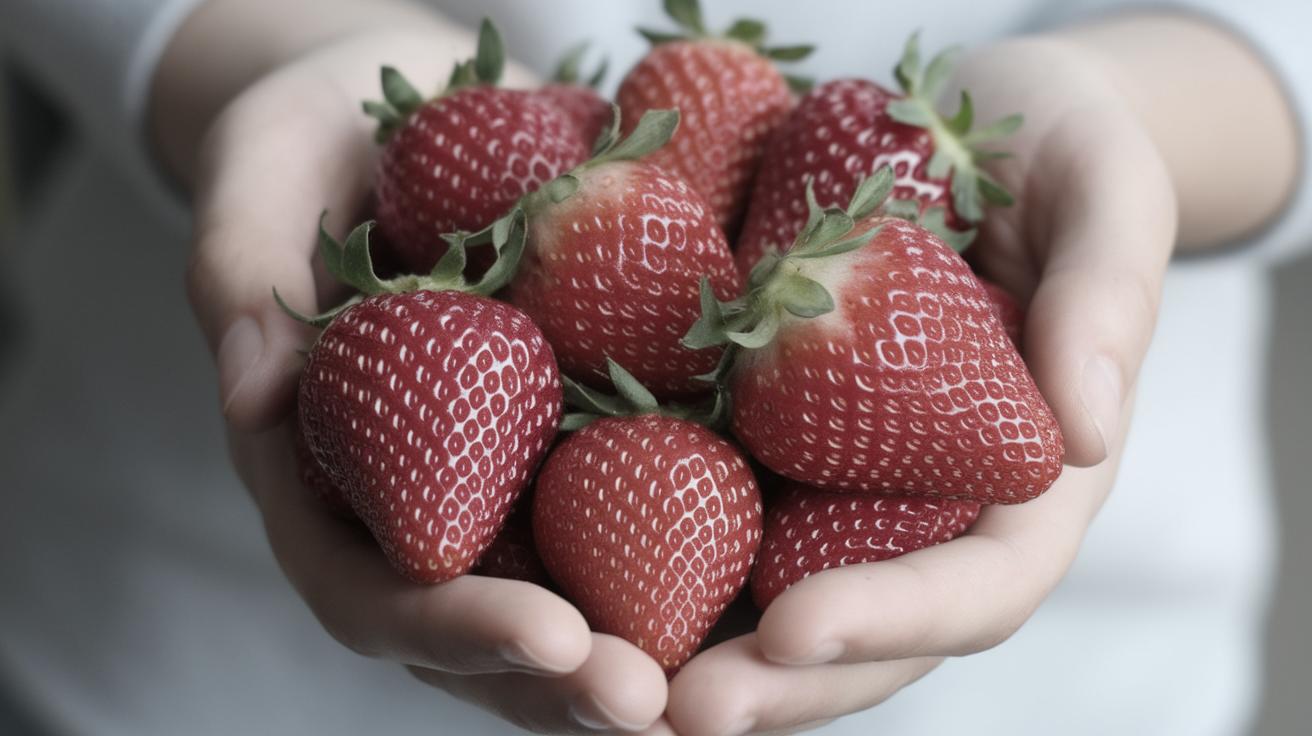
Understanding strawberry measurements is essential for recipe success, whether you’re baking, cooking, or preserving these nutritious berries.
Strawberry Measures – Strawberry Conversions – Strawberry Substitutions – Strawberry Equivalents
Strawberries are not just delicious; their yield can vary wildly depending on how you plan to utilize them in recipes. Understanding various measurements, conversions, and equivalents can aid in precise culinary planning. Whether you’re indulging in a fresh strawberry salad or baking a decadent strawberry pie, having the right measurements ensures perfection.
A frequently asked question involves the conversion of whole strawberries to other forms such as sliced, pureed, or as a cup of whole berries. Accurate conversions allow for flawless substitutions, offering greater versatility in recipes and minimizing wastage. This section will help you convert berries to fit recipe requirements or substitute with similar fruits if necessary.
Essential Strawberry Measurement Guide
How Many Cups Is 1 Pound Of Strawberries?
One pound of strawberries equals approximately 3 3/4 cups of whole berries or 2 1/2 cups when sliced. This conversion is fundamental for recipe scaling and grocery shopping efficiency. The exact measurement depends on strawberry size, variety, and ripeness level.
When purchasing strawberries by weight, this conversion helps determine recipe yields accurately. Medium-sized strawberries typically provide the most consistent measurements, while jumbo varieties may require fewer individual berries per pound.
How Many Strawberries in a Pint?
A pint of strawberries contains approximately 2 1/4 cups of whole berries or about 12-15 medium strawberries. However, this measurement can vary based on the size of the strawberries. Pint-sized containers are commonly found in grocery stores, and it’s essential for bakers and cooks to know this equivalent when preparing recipes.
In recipes that call for sliced strawberries, you can expect a pint to yield about 1 1/4 to 1 1/2 cups when sliced. Understanding these measurements is crucial for achieving the desired texture and flavor in your dishes.
How Many Strawberries Are In A Quart?
A quart holds about 4 1/2 cups of whole strawberries or approximately 24-30 medium berries. Given that a quart is essentially two pints, it aligns that this would roughly double the amount contained in a single pint. This measure is especially beneficial for larger recipes such as barbecue glazes or large desserts that require a more substantial volume of strawberries.
If a recipe needs sliced strawberries, a quart will provide you with between 2 1/2 and 3 cups, depending on how finely they are sliced. Knowing the conversions for a quart can help when you’re doubling a recipe or preserving strawberries for higher yields.
How Many Strawberries In A Cup?
It takes approximately 12 to 20 medium-sized strawberries to fill a cup, depending on berry size and shape. Small strawberries require 15-20 berries per cup, while large strawberries need only 8-12 berries. This count varies depending on the size of the individual berries, which might require more small berries or fewer larger ones to make up a cup.
When dealing with recipes necessitating precision, understanding how many berries to select can make your food preparation more straightforward, consequently impacting the quality and success of your dish. Professional bakers often weigh strawberries for maximum accuracy in commercial applications.
Frozen and Bulk Strawberry Measurements
How many cups are in a package of frozen strawberries?
A typical 16-ounce package of frozen strawberries contains approximately 3 to 4 cups of berries, but this can vary based on whether the strawberries are whole or sliced before freezing. The package size and additional syrup are other variables that might influence the overall count.
Frozen strawberries are a fantastic alternative for off-season recipes, providing the same rich taste without the dependence on fresh produce. Individually Quick Frozen (IQF) strawberries maintain better texture and measurement consistency compared to block-frozen varieties.
How many strawberries in a flat?
A flat generally contains approximately 8 quarts of strawberries or about 12 pounds. This measurement is ideal for planning bulk purchases or engagements like catering events, canning, and large gatherings where larger quantities are essential.
Buying flats could be more economical, especially during the strawberry season when they are abundant and fresh. With awareness of their volume, you can better strategize on storing or processing them effectively for jam making, freezing, or dehydrating.
How many strawberries in a half flat?
A half-flat comprises approximately 4 quarts or 6 pounds of strawberries. This smaller version of a full flat is suitable for smaller projects or households, offering a more manageable quantity while still purchasing in bulk.
Knowing the composition of a half flat is advantageous if you require a moderate volume of strawberries, allowing you to plan consumption without an excess that might result in waste. Half flats are perfect for medium-scale preserving projects or family gatherings.
Professional Tips for Accurate Strawberry Measurements
Factors Affecting Strawberry Measurements
Strawberry variety significantly impacts measurement accuracy. June-bearing varieties tend to be larger and fewer per cup, while day-neutral strawberries are typically smaller and more numerous. Everbearing strawberries fall somewhere in between these measurements.
Ripeness level also affects volume measurements. Fully ripe strawberries are softer and may compress more in measuring cups, while slightly underripe berries maintain their shape better and provide more consistent measurements.
Best Practices for Recipe Success
For optimal results, measure strawberries at room temperature when possible. Cold strawberries from refrigeration may be firmer and pack differently than room-temperature berries. Professional chefs recommend weighing strawberries for the most accurate measurements in commercial applications.
When substituting fresh for frozen strawberries, account for moisture content differences. Frozen strawberries release more liquid when thawed, which may require recipe adjustments for baked goods and preserves.
Nutritional Value and Storage Considerations
Maximizing Strawberry Freshness
Proper storage extends strawberry shelf life and maintains measurement accuracy. Store unwashed strawberries in the refrigerator for up to one week. Hull strawberries only when ready to use, as removing the green tops accelerates spoilage.
For long-term storage, flash-freezing strawberries on baking sheets before transferring to freezer bags maintains individual berry integrity. This method preserves measurement consistency for future recipe use.
Seasonal Availability and Quality
Peak strawberry season varies by region but typically occurs from April through June in most temperate climates. During peak season, strawberries are more affordable, flavorful, and provide better value for bulk purchases like flats and half-flats.
California strawberries are available year-round, while Florida strawberries peak in winter months. Local strawberries often provide superior flavor and freshness compared to shipped varieties.
More Strawberry Recipes
Strawberries find their way into an array of recipes, from refreshing smoothies to delightful desserts. By having a grasp on their measurements and equivalents, you can easily navigate any recipe. Apart from traditional uses like strawberry shortcake and jam, these berries are versatile enough for savory dishes and innovative desserts like strawberry basil sorbet or strawberry rhubarb crumble.
Incorporating strawberries into your daily diet is not only delicious but also healthy, providing essential nutrients and antioxidants. Whether you enjoy them in entrees, salads, or as toppings, a deeper understanding of their culinary range allows you to fully exploit their potential.
Don’t miss these yummy strawberry recipes!
Immerse yourself in an exclusive array of delightful strawberry recipes that will tantalize your taste buds and leave you yearning for more. From classic strawberry shortcakes and luscious strawberry smoothies to innovative strawberry salsa and decadent strawberry cheesecake, there’s a recipe to satisfy every craving.
These recipes not only celebrate the rich flavour profile of strawberries but also demonstrate their versatility. With the right strawberry measures and conversions at your fingertips, these recipes will help you create strawberry-infused wonders effortlessly.
Connect With Homestead Acres!
Are you a strawberry enthusiast eager for more insights and tips? Don’t miss the opportunity to become part of our vibrant community at Homestead Acres. Engage with like-minded individuals and find more inspiration on maximizing strawberry use in the kitchen.
Join us for cooking classes, share your favorite recipes, or simply bask in the knowledge of seasonal produce. Follow Homestead Acres on social media to keep updated on our latest strawberry tips and trends, connecting with others who share your passion.
Summary of Main Points
| Measurement | Whole Strawberries | Sliced Strawberries | Berry Count |
|---|---|---|---|
| 1 Pound | 3 3/4 cups | 2 1/2 cups | 20-24 medium berries |
| 1 Pint | 2 1/4 cups | 1 1/4 to 1 1/2 cups | 12-15 medium berries |
| 1 Quart | 4 1/2 cups | 2 1/2 to 3 cups | 24-30 medium berries |
| 1 Cup | 1 cup whole | N/A | 12 to 20 berries |
| 1 Package (Frozen) | 3 to 4 cups | Varies by type | N/A |
| 1 Flat | 8 quarts (approx. 12 pounds) | N/A | 200-240 berries |
| 1 Half Flat | 4 quarts (approx. 6 pounds) | N/A | 100-120 berries |