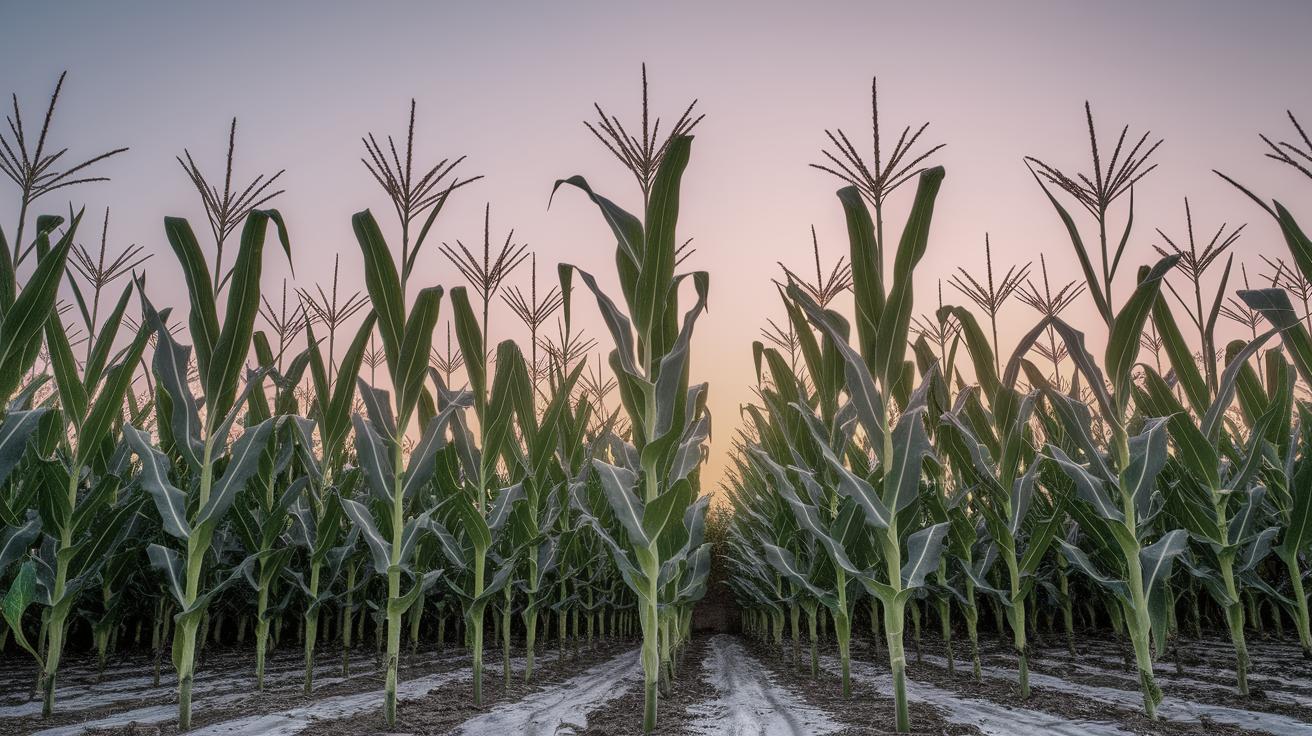
Growing corn from seed transforms your garden into a productive food source, delivering fresh kernels for summer meals and winter storage.
Best Conditions for Growing Corn
Corn thrives in warm soil conditions with temperatures consistently between 60°F to 65°F for optimal germination. Plant after the last frost date when soil has warmed sufficiently, as cold soil leads to poor germination rates and stunted growth.
Your corn requires full sunlight exposure of 6-8 hours daily for maximum photosynthesis and sugar production. Choose well-drained, fertile soil with a pH between 6.0-6.8, enriched with organic compost or aged manure.
Adequate moisture is crucial during pollination and kernel development stages. Maintain consistent soil moisture without waterlogging, as corn roots need oxygen for proper nutrient uptake.
Growing a 3 Sisters Garden
The Three Sisters planting method combines corn, beans, and squash in a symbiotic relationship developed by Native American farmers. Corn stalks provide natural support structures for climbing beans, eliminating the need for additional trellises.
Beans fix atmospheric nitrogen through root nodules, enriching soil fertility for heavy-feeding corn plants. Squash leaves create living mulch, suppressing weeds while retaining soil moisture and deterring pests with their prickly stems.
Plant corn first, allowing stalks to reach 6 inches before adding beans around the base. Squash should be planted 3-4 feet away to prevent overcrowding while maintaining the beneficial relationship.
Companion Plants For Corn
Strategic companion planting enhances corn growth while maximizing garden space efficiency. Cucumbers thrive in the partial shade created by corn stalks, while their sprawling vines help retain soil moisture.
Marigolds planted around corn borders repel corn earworms, aphids, and other destructive insects through their natural pest-deterrent compounds. Nasturtiums serve as trap crops, attracting cucumber beetles away from corn.
Herbs like basil and dill improve corn flavor while attracting beneficial insects such as parasitic wasps and predatory beetles. Avoid planting tomatoes near corn, as both attract similar pests and compete for nutrients.
What Corn Grows Best in Zone 3?
Zone 3 gardeners need early-maturing corn varieties that complete their growth cycle within 65-75 days. ‘Early Sunglow’ produces sweet, tender kernels in just 63 days, making it ideal for short growing seasons.
‘Golden Bantam’ offers excellent cold tolerance and reliable germination in cooler soils. ‘Painted Mountain’ provides exceptional frost resistance and can mature even with early fall frosts.
Consider ‘Yukon Chief’ for its ability to germinate in soil temperatures as low as 50°F. These varieties ensure successful harvests despite Zone 3’s challenging climate conditions.
Soaking Corn Seeds Before Planting
Pre-soaking corn seeds for 8-12 hours accelerates germination by softening the seed coat and activating enzymes. Use room-temperature water and avoid over-soaking, which can cause seeds to rot.
This technique proves especially beneficial in cooler climates or when planting in less-than-ideal soil conditions. Soaked seeds typically germinate 2-3 days faster than dry-planted seeds.
Add a diluted seaweed solution to soaking water for enhanced seedling vigor and improved stress resistance. Drain thoroughly before planting to prevent fungal issues.
When to Plant Corn
Plant corn 2-3 weeks after the last frost date when soil temperature reaches 60°F consistently. In most regions, this occurs between late April and early June, depending on your hardiness zone.
Implement succession planting by sowing new rows every 2-3 weeks until 10-12 weeks before the first expected fall frost. This strategy extends your harvest period and ensures continuous fresh corn supply.
Monitor soil temperature with a thermometer at 2-inch depth for accurate timing. Cold, wet soil leads to seed rot and poor stands, delaying your entire growing season.
Keeping the Soil Warm for Corn to Grow
Black plastic mulch effectively raises soil temperature by 5-10°F while suppressing weeds and conserving moisture. Install plastic 2-3 weeks before planting to pre-warm the soil.
Row covers provide additional warmth during cool nights and protect young seedlings from wind damage. Remove covers once plants reach 12 inches tall to prevent overheating.
Raised beds warm faster than ground-level plantings due to increased sun exposure and improved drainage. Consider this option for earlier planting in cooler climates.
Planting Spacing for Corn
Space corn plants 8-12 inches apart within rows, with 30-36 inches between rows for adequate air circulation and equipment access. Proper spacing prevents disease issues and ensures optimal pollination.
Plant corn in blocks rather than single rows to improve wind pollination success. A minimum 4×4 block provides better kernel fill than long, narrow rows.
Overcrowded plants compete for nutrients, water, and sunlight, resulting in smaller ears and reduced yields. Thin seedlings if necessary to maintain proper spacing.
Knee High by 4th of July
The traditional saying “knee high by Fourth of July” serves as a growth benchmark for corn development. Modern hybrid varieties often exceed this height, reaching waist-high by early July.
Monitor growth rates to identify potential issues early. Stunted growth may indicate nutrient deficiencies, pest problems, or inadequate growing conditions requiring immediate attention.
Consistent growth tracking helps predict harvest timing and allows for proper planning of preservation activities like freezing or canning.
How to Tell When Corn is Ready to be Picked
Harvest corn when kernels release milky white juice when punctured with a fingernail, indicating peak sweetness and tenderness. Brown, dry silks signal approaching maturity.
Ears should feel full and rounded with kernels extending to the tip. The husks remain green and tightly wrapped around mature ears.
Pick corn during cool morning hours for best flavor retention. Sweet corn loses sugar content rapidly after harvest, so consume or preserve within 24 hours for optimal quality.
How to Grow Corn in Raised Beds or Pots
Container corn growing requires pots at least 12 inches deep and 12 inches wide per plant. Use high-quality potting mix enriched with compost for optimal nutrition.
Raised beds should be minimum 8 inches deep with excellent drainage. Group plants closely in blocks for better pollination success in confined spaces.
Container plants need more frequent watering and fertilizing than ground-planted corn. Monitor soil moisture daily and provide consistent nutrition throughout the growing season.
Corn Seed Selection and Varieties
Choose appropriate corn varieties based on your intended use and growing conditions. Sweet corn varieties like ‘Honey Select’ offer exceptional flavor, while field corn provides animal feed and processing options.
Heirloom varieties such as ‘Country Gentleman’ provide unique flavors and preserve genetic diversity. Hybrid varieties typically offer improved disease resistance and uniform maturity.
Consider days to maturity when selecting varieties, ensuring adequate growing season length in your climate zone. Early varieties mature in 65-75 days, while late varieties require 85-100 days.
Soil Preparation and Fertilization
Prepare corn beds by incorporating 2-4 inches of compost or aged manure into the top 8 inches of soil. Corn requires high nitrogen levels for optimal growth and ear development.
Apply balanced fertilizer (10-10-10) at planting, followed by side-dressing with nitrogen fertilizer when plants reach 12 inches tall. Avoid over-fertilizing with phosphorus, which can inhibit mycorrhizal relationships.
Test soil pH annually and adjust with lime or sulfur as needed. Optimal pH range of 6.0-6.8 ensures maximum nutrient availability for corn plants.
Watering and Irrigation Management
Corn requires 1-2 inches of water weekly, with critical periods during germination, tasseling, and kernel development. Deep, infrequent watering encourages strong root development.
Install drip irrigation or soaker hoses to deliver water directly to root zones while minimizing foliar diseases. Avoid overhead watering during pollination to prevent pollen wash-off.
Monitor soil moisture at 6-inch depth using a soil probe or moisture meter. Consistent moisture prevents stress-related issues like poor kernel fill and tip burn.
Common Pests and Disease Management
Corn earworms represent the most significant pest threat, tunneling into developing ears and contaminating kernels. Apply Bt (Bacillus thuringiensis) spray every 3-4 days during silk emergence.
European corn borers attack stalks and ears, causing lodging and reduced yields. Beneficial insects like Trichogramma wasps provide biological control when released at proper timing.
Fungal diseases such as gray leaf spot and northern corn leaf blight thrive in humid conditions. Ensure adequate spacing for air circulation and avoid overhead watering to minimize disease pressure.
Harvesting and Storage Techniques
Harvest sweet corn at the milk stage for optimal flavor and texture, typically 18-24 days after pollination. Field corn should remain on stalks until moisture content drops below 20%.
Process sweet corn immediately after harvest or store in refrigerator for maximum 2-3 days. Blanch and freeze kernels for long-term storage, maintaining quality for 8-12 months.
Dry field corn thoroughly before storage to prevent mold and insect damage. Proper drying and storage facilities ensure grain quality for animal feed or processing applications.
| Topic | Summary |
|---|---|
| Best Conditions for Growing Corn | Warm soil temperatures (60-65°F) and full sun are critical for corn growth. |
| Growing a 3 Sisters Garden | Interplanting corn, beans, and squash for mutual benefits and space efficiency. |
| Companion Plants For Corn | Cucumbers and melons enhance corn growth; marigolds deter pests naturally. |
| What Corn Grows Best in Zone 3? | Early maturing varieties like ‘Early Sunglow’ thrive in shorter growing seasons. |
| Soaking Corn Seeds Before Planting | Improves germination speed and seedling vigor in challenging conditions. |
| When to Plant Corn | Plant after last frost date and stagger planting for continuous harvest. |
| Keeping the Soil Warm for Corn to Grow | Utilize black mulch and row covers to maintain optimal soil temperature. |
| Planting Spacing for Corn | Proper spacing improves air circulation and wind pollination success. |
| Knee High by 4th of July | Monitor growth benchmarks to ensure healthy development by mid-summer. |
| How to Tell When Corn is Ready to be Picked | Look for milky kernels and brown silk for perfect harvest timing. |
| How to Grow Corn in Raised Beds or Pots | Use large containers with quality soil and maintain consistent watering. |