How to Cut a Persimmon Seed to Predict Weather
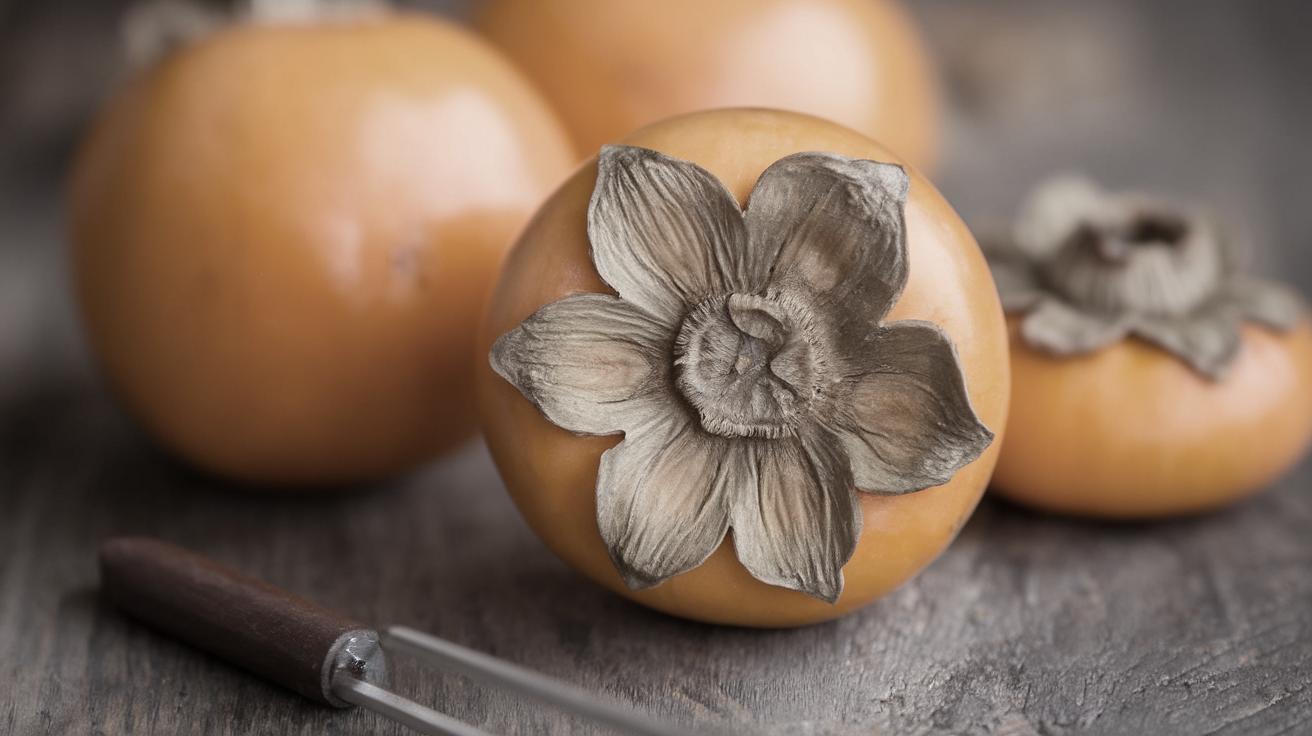
Weather prediction has fascinated humans for centuries, and nature often holds the key to many traditional forecasting methods. One such intriguing method involves using a persimmon seed to predict winter weather. While this folk tradition is not scientifically proven, it offers an enchanting perspective on nature’s rhythms and how they relate to weather patterns. In this blog post, we’ll explore the different shapes you might find inside a persimmon seed—spoon, knife, and fork—and discuss their meanings. We’ll also offer tips and insights on how to safely and effectively cut open a persimmon seed to reveal its weather-predicting potential. Finally, we’ll provide a summarizing table under the “Lessons Learned” section that encapsulates these insights. Dive in as we unravel this delightful weather prediction folklore!
Spoon
Inside the seemingly ordinary persimmon seed lies the potential to forecast winter weather conditions. When you cut open a persimmon seed and find a spoon-shaped kernel, folklore suggests a winter filled with heavy, wet snow. The spoon shape is thought to resemble a shovel, hinting at the need to dig out from significant snowfall. Residents in areas that regularly experience snow might find this prediction charmingly accurate as they prepare for winter.
The spoon shape in a persimmon seed can be seen as a call to action for communities to ready themselves for potentially harsh conditions. It can evoke a sense of nostalgia, reminding one of the days when weather predictions were made through careful observation of nature’s signs rather than technological forecasts. Whether accurate or not, this tradition keeps the connection with nature’s intuitive wisdom alive, serving as both an entertaining and thought-provoking winter ritual.
Knife
Discovering a knife shape within your persimmon seed is traditionally interpreted as a sign of a cold, icy winter, where biting winds and cutting cold will prevail. The knife shape represents the sharpness of cold that can cut through layers of clothing, making this prediction a cautionary tale urging preparation for severe winter conditions. While less common, this reading often spurs people into considering additional measures to ensure warmth.
Despite its ominous indication, finding a knife shape can also be seen as an opportunity to prepare homes and wardrobes appropriately, ensuring that the chills of winter remain outside the doorstep. This symbol carries with it a narrative of survival and readiness, prompting those who follow this folklore to remember the power of nature’s elements and the importance of being well-prepared for them.
Fork
A fork-shaped kernel is believed to predict a mild winter with powdery, light snow. The fork shape signifies lighter precipitation, akin to the way one would twirl pasta with a dining fork, suggesting snowfall that is fluffy but not necessarily deep or troublesome. This sign is often met with relief and a sense of ease, as it implies a more moderate, manageable winter season.
The fork prediction is embraced by those who appreciate the beauty of a white winter without the hassle of severe storms or extreme temperatures. It’s a hopeful sign for those planning outdoor activities or reveling in the gentle snowfall that a mild winter brings. Though quaint, this method inspires a whimsical engagement with the changing seasons, encouraging an embrace of winter’s lighter side.
Post navigation
Related Posts
-
Predicting Weather with Nature: More Folk Methods
-
Winter Preparedness Tips: Staying Warm and Safe
-
Understanding Folklore: Lessons from the Past
Lessons Learned
| Shape | Prediction | Implications |
|---|---|---|
| Spoon | Heavy, wet snow | Prepare for significant snowfall, reminiscent of past traditions. |
| Knife | Cold and icy winter | Readiness for severe cold conditions; importance of preparedness. |
| Fork | Mild winter, light snow | Less challenging winter; opportunities for outdoor enjoyment. |
This HTML blog post breaks down how to predict weather using a persimmon seed based on the shapes found within – spoon, knife, and fork – while exploring the implications of each prediction through the lens of folklore. The structure provides a compelling narrative about how this method can offer insights into seasonal preparations and community engagements with natural weather signs.