How to Plant a Small Garden
Are you yearning to transform a humble patch of earth into a vibrant small garden brimming with life and beauty? This comprehensive guide will walk you through every step of creating your own personal paradise, even in the smallest of spaces. You’ll learn how to choose what to plant, pick the best spot, prepare your soil, and maintain your garden. Whether you’re an aspiring green thumb or a seasoned horticulturist, these practical steps will help you cultivate a thriving garden. Dive into the details and uncover how to make your gardening dreams a reality, ensuring a flourishing and rewarding outdoor space.
1. Consider What to Plant
The first step in starting your small garden is deciding what plants to grow. Consider your preferences, local climate, and the size of your garden. Are you interested in growing vegetables, herbs, flowers, or a combination? Each has its own set of requirements and benefits.
Evaluate the amount of sunlight your garden plot receives, and select plants that will thrive in those conditions. Some plants require full sun, while others flourish in partial or full shade. Additionally, consider the growing season in your region, as this will influence your selection of seasonal or perennial plants.
2. Pick the Best Garden Spot
Finding the optimal location for your small garden is crucial for success. Look for a spot that provides adequate sunlight, is sheltered from strong winds, and has good drainage. Sunlight is particularly important for most plants, so aim for a location with at least six to eight hours of direct sun per day.
It’s also essential to access a water source conveniently. Consider the proximity to your home, and choose a spot where you’ll enjoy spending time. A visually appealing location can enhance your gardening experience and encourage regular maintenance and care.
3. Clear the Ground
Before planting, you’ll need to clear the area of any existing vegetation, debris, rocks, and roots. This process may be labor-intensive but is necessary for a clean starting point. Removing weeds and grass helps prevent them from competing with your plants for nutrients and water.
Consider using methods like sheet mulching or solarization to eliminate persistent weeds without chemicals. Clearing the ground is a critical step that sets the foundation for a thriving garden ecosystem.
4. Test and Improve Your Soil
Testing your soil’s pH level and nutrient content will inform you on how to amend it for optimal plant growth. Home soil testing kits are widely available and provide valuable insight into your soil’s condition. Different plants have specific pH and nutrient requirements, so knowing the current state of your soil is essential.
To improve your garden soil, you may need to incorporate organic matter such as compost, well-rotted manure, or peat moss. These amendments enhance soil fertility, structure, and moisture retention, promoting healthy root development and vigorous plant growth.
5. Prepare Your Planting Beds
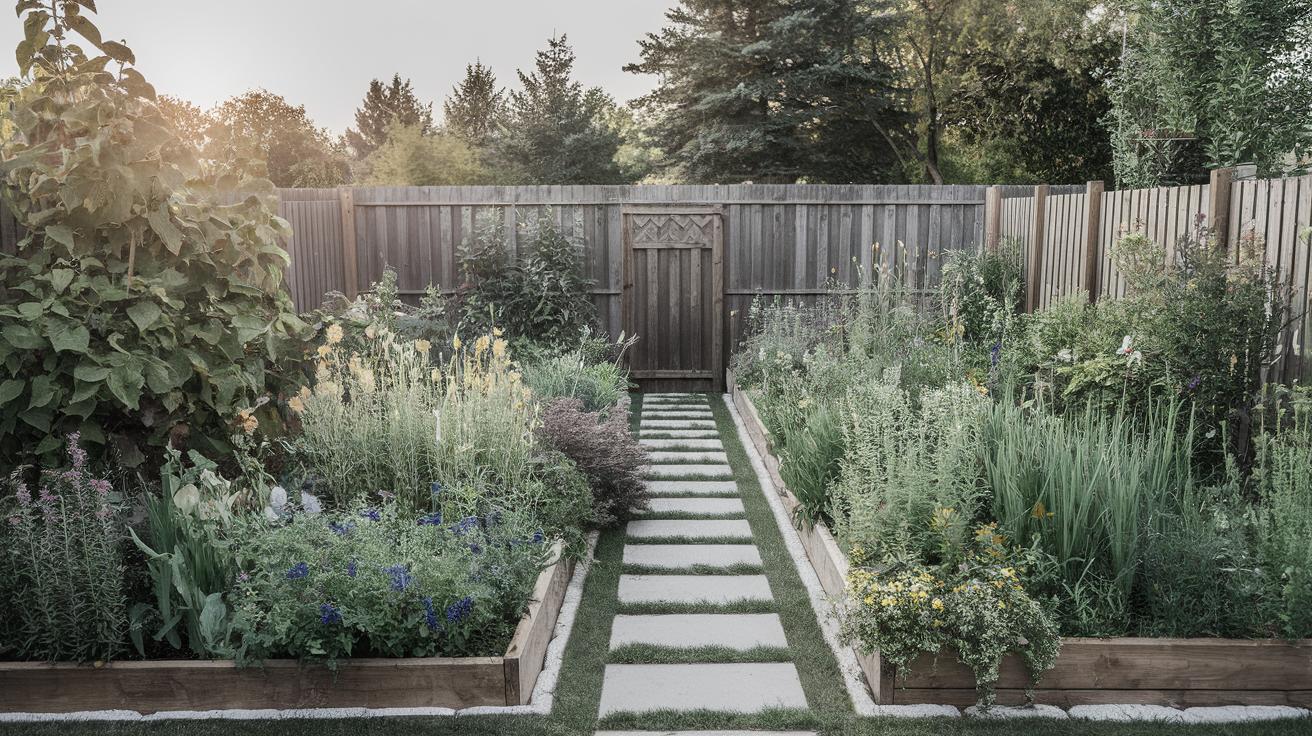
Next, design and prepare your planting beds. Whether you opt for traditional in-ground beds or containers, consider the plant spacing requirements and aesthetic arrangement. Raised beds can be a great option for small gardens, as they improve drainage and organize space efficiently.
Ensure that your planting beds are level, and mark out rows or grids to guide planting. Cultivate the soil to the appropriate depth for your chosen plants, and remove any large clumps or rocks that could impede root growth.
6. Pick Your Plants
With your garden spot and beds prepared, it’s time to select the specific plants you want to grow. Consider starting with young plants from a nursery, as they can offer a head start compared to seeds. However, seeds provide a broader variety and the rewarding challenge of nurturing growth from the beginning.
When selecting plants, read the labels and tags for information about their growing habits, spacing requirements, and mature size. Choose a mix that offers successive blooms or harvests to enjoy a rich tapestry of colors and flavors throughout the growing season.
7. Start Planting
Planting time can vary depending on the plant type and regional climate. Follow specific planting instructions for depth and spacing, ensuring each plant has enough room to develop fully. Gently loosen the roots of young plants before placing them in the soil to encourage root establishment.
Water each plant after planting to settle the soil and provide initial moisture. Be mindful of the wind or direct sunlight, which can stress newly planted seedlings. This is where the location you chose earlier comes into play, as protection from harsh conditions will foster healthier plants.
8. Water at the Right Time
Regular and adequate watering is critical for garden success, especially in the early stages. Water early in the morning or late in the afternoon to minimize evaporation and ensure plants utilize the moisture efficiently. Calibrate your watering schedule to the plant species, soil type, and climate conditions.
Check the soil moisture with your fingers, and only water when it feels dry. Overwatering can lead to root rot or other issues, so find a balance that keeps your plants happy and hydrated without excessive moisture.
9. Mulch Your New Garden
Mulching is an essential practice that offers numerous benefits to your small garden. Apply a layer of organic mulch, such as straw, wood chips, or shredded leaves, around the base of your plants. Mulch helps retain soil moisture, suppress weeds, and regulate soil temperature.
Besides its functional advantages, mulch also enhances the visual appearance of the garden by giving it a tidy and well-maintained look. Replenish mulch as needed to maintain an effective layer throughout the growing season.
10. Maintain Your Garden Regularly
A thriving small garden requires regular upkeep. Inspect your plants for pests or disease and take proactive measures to mitigate these challenges. Simple practices, like pruning dead or damaged plant material, can improve plant health and growth.
Consistently monitor your garden and implement sustainable practices for fertilizing, pest control, and disease management. Regularly refresh your mulch, keep pathways clear, and enjoy the satisfaction and tranquility of your flourishing garden space.
Frequently Asked Questions
Q: How often should I water my garden?
A: Watering frequency depends on the plants, climate, and soil. Typically, once or twice a week is sufficient, but always check the soil moisture with your finger.
Q: Can I plant a garden in a small urban apartment?
A: Yes, small container gardens or vertical gardens are ideal options for apartments with limited space.
Q: How do I know when to plant seeds in my area?
A: Consult local gardening resources or the seed packet for regional planting dates and guides.
Future Prospects
| Steps | Key Actions |
|---|---|
| Consider What to Plant | Evaluate preferences and local conditions, select suitable plants. |
| Pick the Best Garden Spot | Choose a sunny, sheltered, and well-drained location. |
| Clear the Ground | Remove existing vegetation, debris, and weeds. |
| Test and Improve Your Soil | Test pH and nutrients, amend with compost if needed. |
| Prepare Your Planting Beds | Design, level, and cultivate soil, create rows or grids. |
| Pick Your Plants | Select young plants or seeds focusing on variety and suitability. |
| Start Planting | Plant according to guidelines, water initially. |
| Water at the Right Time | Water in early morning/evening, adjust for conditions. |
| Mulch Your New Garden | Apply organic mulch to retain moisture, suppress weeds. |
| Maintain Your Garden Regularly | Inspect for pests/disease, prune, and refresh mulch. |