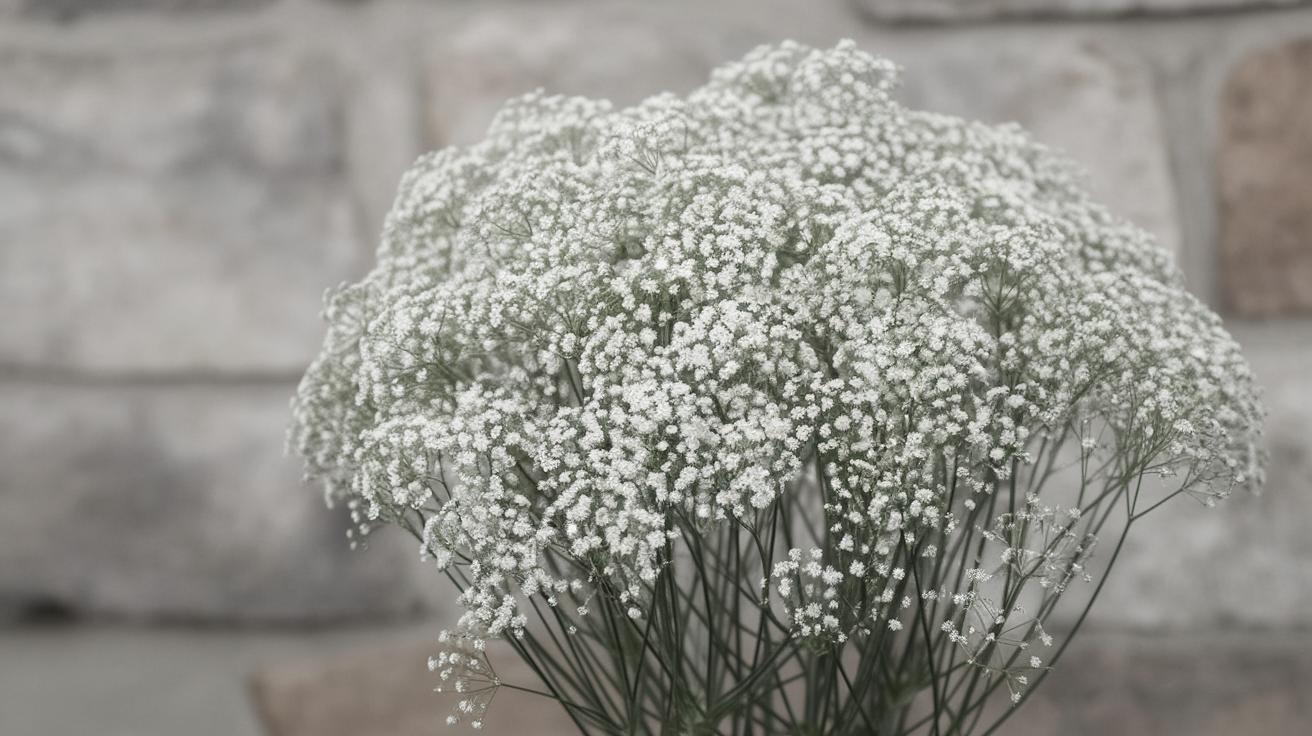
How to Grow Baby’s Breath: A Comprehensive Guide
Baby’s Breath, a delicate and airy plant often found enhancing floral arrangements, is cherished for its cloud-like clusters of tiny, white flowers. Known for its ease of growth and low maintenance, this plant is perfect for adding a touch of elegance to any garden or home. In this detailed guide, we will explore every aspect of growing and caring for Baby’s Breath, from understanding its basic needs to mastering propagation and pruning techniques. Whether you aim to cultivate these plants from seeds or care for established ones, this guide will equip you with essential knowledge and tips to ensure your Baby’s Breath thrives. Dive in to learn everything you need to know about these charming, versatile plants.
Baby’s Breath Care
Warning
While Baby’s Breath makes a beautiful addition to any garden, it is important to know that the plant is toxic if ingested and can cause skin irritation in some people. Always handle with care and consider using gloves when planting or pruning.
Keep the plant out of reach of pets and children. If you suspect ingestion, seek medical advice immediately. Additionally, if you have sensitive skin, it might be wise to wear long sleeves and gloves as a precaution.
Light
Baby’s Breath thrives in full sun, requiring at least six hours of direct sunlight daily. Ensuring adequate sunlight is crucial for its growth and flowering.
If growing indoors, place your Baby’s Breath near a south-facing window to maximize sunlight exposure, or consider supplementing with grow lights if necessary.
Soil
The plant flourishes in well-drained, sandy or loamy soil with a slightly alkaline pH. Avoid heavy clay soils, as they retain too much moisture, which can lead to root rot.
Mixing garden soil with sand or perlite can enhance drainage, providing an optimal growing environment for Baby’s Breath.
Water
Baby’s Breath prefers a consistent watering schedule but avoids overwatering. Allow the top inch of soil to dry out between waterings.
During its active growth phase, aim to keep the soil evenly moist but not soggy. Overwatering can cause root rot, which is detrimental to the plant’s health.
Temperature and Humidity
The plant is relatively hardy, preferring warm conditions but can tolerate temperatures as low as 40°F. Ensure it’s protected from frost.
Baby’s Breath enjoys low to moderate humidity levels. In extremely humid conditions, ensure good air circulation to prevent mold and mildew issues.
Fertilizer
A balanced, slow-release fertilizer applied in the spring can support Baby’s Breath growth. Avoid over-fertilizing, which can lead to excessive foliage and reduced blooms.
Focus on providing necessary nutrients without overwhelming the plant. An annual application should suffice for most soil conditions.
Types of Baby’s Breath
Baby’s Breath varieties include the popular ‘Gypsophila paniculata’, known for its dense flower clusters. Another variety, ‘Gypsophila muralis’, is a dwarf species suitable for borders and rock gardens.
‘Gypsophila repens’ is a creeping variant, offering a cascade of blooms ideal for rockeries or as a ground cover. Understanding these types helps gardeners choose the right variant for their landscape.
Pruning
Pruning is essential for maintaining the shape and productivity of your Baby’s Breath. Remove spent blooms and dead foliage regularly to encourage healthy growth and prevent disease.
Cut the plant back after its blooming period in late summer to prepare it for the next growing season. This practice not only revitalizes the plant but also stimulates more robust flowering.
Propagating Baby’s Breath
Propagation of Baby’s Breath can be achieved through seed sowing or cuttings. For cuttings, select healthy stems, remove the lower leaves, and place them in well-moistened soil or water until roots develop.
Ensure cuttings are kept in a warm, brightly lit area to promote root growth. For seed propagation, sow seeds in early spring under a light layer of soil, maintaining moisture and warmth until germination.
How to Grow Baby’s Breath From Seed
Growing Baby’s Breath from seed is a rewarding process. Begin by preparing a seed tray with well-draining soil, sowing seeds lightly on the surface, then cover with a thin layer of soil.
Maintain consistent moisture levels and position the seed tray in a warm, sunny location. Germination typically occurs within two weeks. Once seedlings are strong, transplant them into the garden or larger pots.
Potting and Repotting
Baby’s Breath does well in containers with adequate drainage. When potting, select a container at least twice the diameter of the root ball and use a loamy, well-draining soil mix.
Repot as needed, ideally in early spring. Gently loosen bound roots before placing the plant in its new pot to encourage growth and prevent root rot.
Overwintering
In colder climates, overwintering Baby’s Breath may be necessary. Mulch the base of the plant with straw or wood chips to protect roots from frost.
Alternatively, potted Baby’s Breath can be moved indoors or to a sheltered location during the coldest months. Provide adequate light and reduce watering until spring.
Common Pest & Plant Diseases
Baby’s Breath can be susceptible to pests such as aphids and whiteflies. Regular monitoring and the application of insecticidal soap can effectively manage these issues.
Fungal diseases like powdery mildew can occur in damp conditions. Ensure proper spacing and airflow, and treat with fungicide if necessary.
How to Get Baby’s Breath to Bloom
Bloom Months
Baby’s Breath typically blooms from late spring through summer. Proper care and site selection can extend the blooming period, capturing its delicate beauty for longer durations.
What Do Baby’s Breath Flowers Look and Smell Like?
The flowers are small, white, and cluster densely on branching stems, offering a soft, cloud-like appearance. They emit a sweet and subtle fragrance, popular in floral arrangements.
How to Encourage More Blooms
Ensure full sun exposure, proper watering, and minimal fertilizer use to enhance blooming. Pruning spent flowers encourages new growth and additional blooms.
Caring for Baby’s Breath After It Blooms
Post-bloom, focus on maintaining healthy foliage by continuing regular watering and fertilization. This approach prepares the plant for the next blooming cycle.
Deadheading Baby’s Breath Flowers
Regular deadheading, or removal of spent flowers, is crucial. This practice keeps the plant tidy and allows nutrients to be used for new growth instead of seed production.
More from The Spruce
To delve further into the world of gardening and plant care, explore more resources from The Spruce. From indoor plants to expansive gardens, The Spruce offers expert advice and inspiring ideas to cultivate your green spaces.
Final Thoughts
| Aspect | Details |
|---|---|
| Care | Requires full sun, well-draining soil, moderate water, and minimal fertilization. |
| Types | Includes Gypsophila paniculata, muralis, and repens, each suited to different settings. |
| Pruning | Encourages healthy growth; cut back after bloom to prepare for next season. |
| Propagation | Via seeds or cuttings; ensure warmth and moisture for successful rooting. |
| Overwintering | Protect from frost with mulch or indoor relocation. |
| Pests & Diseases | Manage with insecticidal soaps and prevention of excessive moisture. |
| Blooming | Occurs from late spring to summer; proper care extends bloom period. |