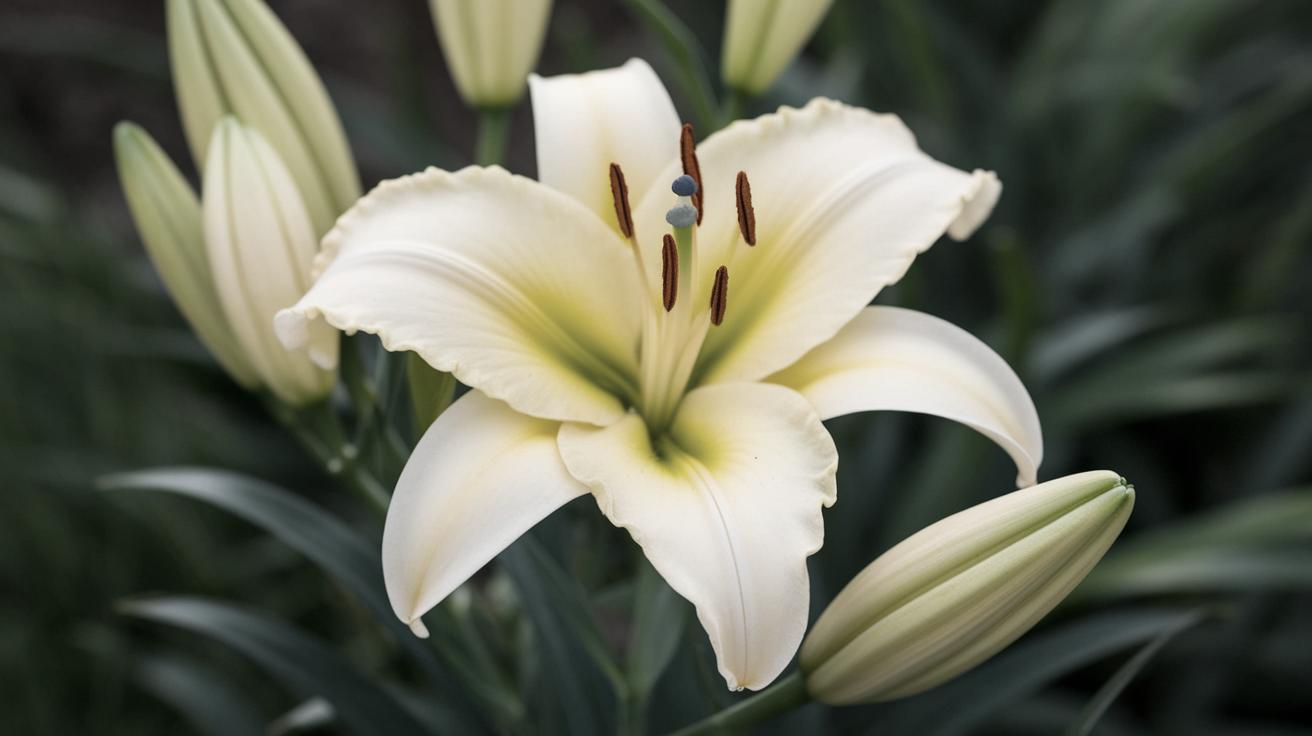
Spring flower planting success depends on precise timing, growing zones, and plant-specific requirements for optimal blooms.
Before Getting Started
Find Your Growing Zone
Understanding your USDA Plant Hardiness Zone is fundamental for successful spring flower cultivation. The updated 2025 USDA Plant Hardiness Zone Map divides North America into 13 zones based on average minimum winter temperatures, helping gardeners select climate-appropriate varieties.
Local microclimates significantly impact planting success beyond zone classifications. Urban heat islands, elevation changes, and proximity to water bodies create temperature variations of 5-10°F within the same zone. Consult your local cooperative extension office for region-specific planting calendars and soil temperature data.
Know Your Frost Dates
Last spring frost dates vary dramatically across regions, from early February in southern zones to late May in northern areas. The National Weather Service provides historical frost data with 10%, 50%, and 90% probability dates for precise planning.
Climate change has shifted traditional frost patterns, with spring arriving 1-2 weeks earlier than historical averages in many regions. Monitor 10-day weather forecasts and soil temperature readings at 2-4 inch depths for accurate planting decisions.
Consider the Type of Plant
Plant categories require distinct soil temperature thresholds for successful germination and establishment. Cool-season flowers tolerate soil temperatures of 40-50°F, while warm-season varieties need consistent 60-70°F soil temperatures.
Photoperiod sensitivity affects flowering timing in many species. Day-neutral, short-day, and long-day plants respond differently to spring’s increasing daylight hours, influencing bloom schedules and planting strategies.
Monitor the Weather
Modern weather monitoring tools provide unprecedented accuracy for garden planning. Soil thermometers, weather apps with hyperlocal forecasting, and agricultural weather stations offer real-time data for optimal planting decisions.
Unexpected weather events require protective strategies including row covers, cold frames, and mulching techniques. Keep frost protection materials readily available during transition periods when temperatures fluctuate unpredictably.
When to Plant Spring Bulbs
Fall-planted spring bulbs require 12-16 weeks of cold treatment below 50°F for proper vernalization. Plant tulips, daffodils, and hyacinths 6-8 weeks before ground freezes, typically October through December depending on location.
Bulb planting depth follows the “three times rule” – plant bulbs three times deeper than their height. Well-draining soil prevents bulb rot, while bone meal or bulb fertilizer provides essential phosphorus for root development.
Pre-Chilling Requirements for Warm Climates
Gardeners in zones 8-10 must artificially chill bulbs for 12-15 weeks in refrigerators at 35-45°F. Store bulbs in ventilated bags away from ripening fruits that produce ethylene gas.
When to Plant Perennials
Spring perennial planting begins 2-4 weeks after last frost when soil temperatures consistently reach 50°F. Early spring planting allows full growing season establishment before winter dormancy.
Fall perennial planting occurs 6-8 weeks before first hard frost, providing root establishment time without triggering new growth. Mulch fall-planted perennials heavily to prevent frost heaving during freeze-thaw cycles.
Container vs. Bare Root Planting
Container perennials transplant successfully throughout the growing season with proper watering. Bare root perennials require dormant season planting in early spring before leaf emergence for optimal survival rates.
When to Plant Annual Flowers
Frost-tender annuals including impatiens, begonias, and coleus require soil temperatures above 60°F and no frost risk. Plant 1-2 weeks after last frost date when nighttime temperatures consistently exceed 50°F.
Hardy annuals like pansies, snapdragons, and sweet peas tolerate light frost and cool soil. Plant these varieties 2-4 weeks before last frost for extended blooming periods and cool-weather performance.
Indoor Seed Starting Timeline
Start annual flower seeds indoors 6-12 weeks before transplanting dates. Seed starting calculations work backward from outdoor planting dates, accounting for germination time and seedling development phases.
When to Plant Edible Plants
Vegetables
Cool-season vegetables including lettuce, peas, and radishes germinate in 40-50°F soil temperatures. Direct seed these crops 2-4 weeks before last frost for continuous harvests through spring.
Warm-season crops like tomatoes, peppers, and squash require 60-70°F soil temperatures and frost-free conditions. Transplant warm-season seedlings 1-2 weeks after last frost when soil has warmed adequately.
Succession Planting Strategies
Succession planting extends harvest periods by planting small quantities every 1-2 weeks. This technique works particularly well for lettuce, beans, and radishes throughout the growing season.
Fruits
Berry plant establishment occurs best in early spring when plants are dormant. Strawberries, blueberries, and raspberries planted in March-April develop strong root systems before summer heat stress.
Fruit tree planting timing depends on nursery stock type. Bare root trees require dormant season planting, while container trees transplant successfully throughout the growing season with adequate irrigation.
Herbs
Perennial herbs like oregano, thyme, and sage establish best with spring planting after frost danger passes. These hardy herbs tolerate cool conditions and benefit from full growing season establishment.
Tender annual herbs including basil and cilantro require warm soil and air temperatures. Plant these heat-loving herbs 2-3 weeks after last frost when temperatures stabilize above 60°F.
When to Plant Trees
Dormant season tree planting in late winter to early spring allows root establishment before leaf emergence. Plant trees 4-6 weeks before bud break when soil is workable but trees remain dormant.
Fall tree planting works well in moderate climates, providing months of root growth before winter dormancy. Avoid fall planting in harsh winter areas where freeze damage threatens newly planted specimens.
Bare Root vs. Container Tree Timing
Bare root trees require precise dormant season timing, typically February through April. Container trees offer flexible planting windows but perform best with spring or fall installation.
When to Plant Shrubs
Spring shrub planting begins after soil thaws and drainage improves. Plant shrubs 2-4 weeks before last frost, allowing root establishment during cool, moist spring conditions.
Flowering shrub timing affects bloom schedules. Spring-blooming varieties like forsythia and lilac establish better with fall planting, while summer bloomers benefit from spring installation.
Evergreen vs. Deciduous Timing
Evergreen shrubs transplant best in early spring before new growth begins or early fall before winter stress. Deciduous shrubs tolerate broader planting windows during dormant periods.
Regional Planting Variations
Northern Regions (Zones 3-5)
Short growing seasons require precise timing and season extension techniques. Start seeds indoors 8-12 weeks before transplanting to maximize growing time in harsh climate zones.
Southern Regions (Zones 8-10)
Extended growing seasons allow multiple planting opportunities and year-round gardening. Focus on heat-tolerant varieties and summer shade protection for optimal plant performance.
Coastal Areas
Maritime climates moderate temperature extremes but increase humidity and salt exposure. Select salt-tolerant varieties and monitor for fungal diseases in high-humidity conditions.
Soil Preparation and Temperature Monitoring
Soil temperature measurement provides more accurate planting timing than air temperature alone. Use soil thermometers at 2-4 inch depths, taking readings at consistent times for reliable data.
Soil preparation begins 2-4 weeks before planting with organic matter incorporation and pH testing. Well-prepared soil warms faster and provides optimal growing conditions for newly planted flowers.
Soil Amendment Timing
Organic matter addition in fall allows decomposition over winter, improving soil structure for spring planting. Fresh compost and aged manure provide nutrients and improve soil drainage.
Common Planting Mistakes to Avoid
Premature planting causes more garden failures than late planting. Resist the urge to plant during warm spells if soil temperatures haven’t stabilized at appropriate levels.
Inadequate hardening off kills many transplants during the transition from indoor to outdoor conditions. Gradually expose seedlings to outdoor conditions over 7-10 days before permanent transplanting.
Weather Protection Strategies
Season extension tools including row covers, cold frames, and wall-o-water protectors allow earlier planting with reduced risk. These tools create microclimates 5-10°F warmer than ambient temperatures.
| Plant Type | Optimal Planting Season | Soil Temperature | Key Considerations |
|---|---|---|---|
| Spring Bulbs | Fall (Oct-Dec) | Below 50°F | 12-16 weeks cold treatment, well-drained soil |
| Perennials | Spring/Fall | 50°F+ | Container vs. bare root timing, mulch protection |
| Hardy Annuals | Early Spring | 40-50°F | Frost tolerance, cool weather performance |
| Tender Annuals | Late Spring | 60°F+ | Post-frost planting, indoor seed starting |
| Cool-Season Vegetables | Early Spring | 40-50°F | Succession planting, frost tolerance |
| Warm-Season Vegetables | Late Spring | 60-70°F | Soil warmth, transplant timing |
| Berry Plants | Early Spring | 45°F+ | Dormant planting, root establishment |
| Fruit Trees | Late Winter/Early Spring | 40°F+ | Dormancy period, bare root vs. container |
| Perennial Herbs | Spring | 50°F+ | Hardy varieties, establishment time |
| Annual Herbs | Late Spring | 60°F+ | Heat requirements, tender varieties |
| Trees | Early Spring/Fall | 40-50°F | Dormant season, root establishment |
| Shrubs | Spring/Fall | 45-55°F | Flowering timing, evergreen vs. deciduous |