
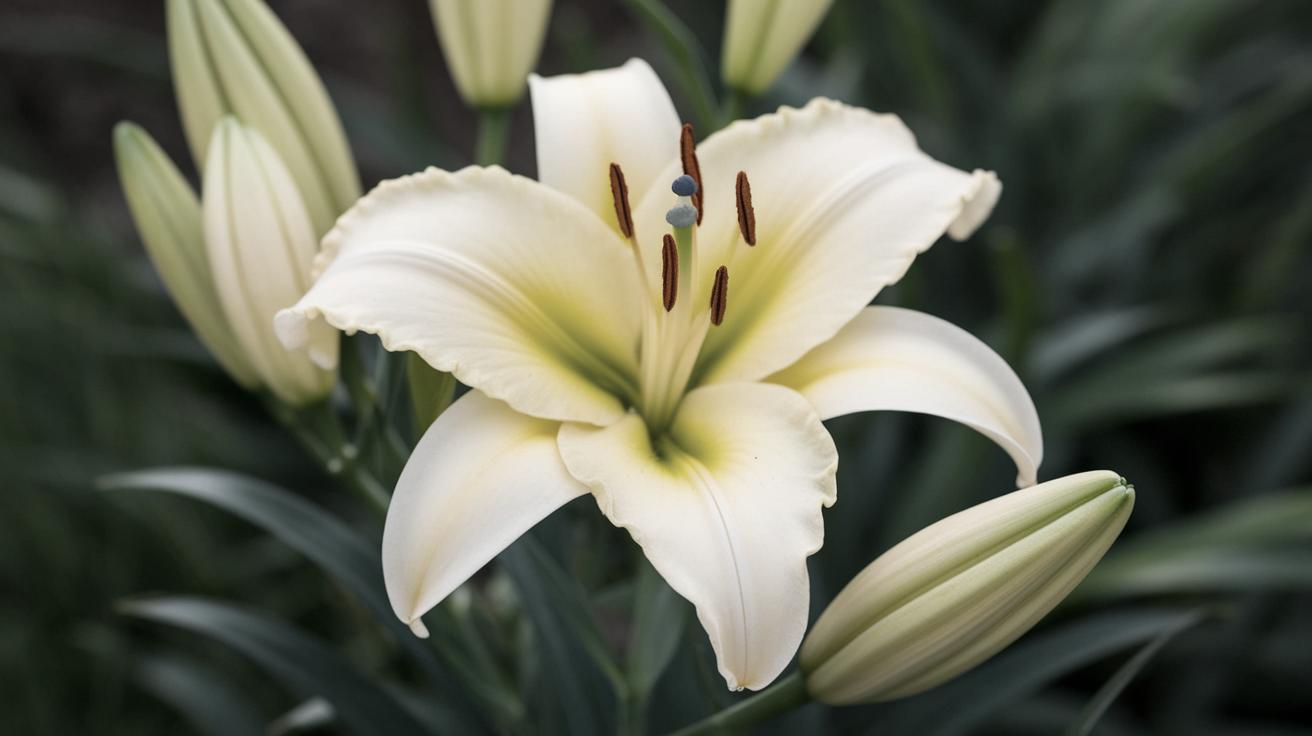
Master the art of lily bulb planting with expert timing strategies for spectacular 2025 garden blooms and maximum flowering success.
Understanding Lily Varieties and Their Unique Characteristics
Lilies are perennial flowering plants belonging to the Lilium genus, renowned for their spectacular blooms and captivating fragrance. These magnificent flowers encompass over 100 species worldwide, each offering distinct characteristics that can transform any garden landscape.
The most popular lily varieties include Asiatic lilies (early bloomers with vibrant colors), Oriental lilies (fragrant late-season bloomers), Trumpet lilies (tall with trumpet-shaped flowers), and Martagon lilies (shade-tolerant with recurved petals). Each variety requires specific planting considerations and care protocols.
Their symbolic significance spans cultures, representing purity, rebirth, and refined beauty. Modern hybrid cultivars offer enhanced disease resistance, extended bloom periods, and improved cold hardiness, making them suitable for USDA zones 3-9 depending on the variety.
Essential Growing Requirements for Optimal Lily Development
Successful lily cultivation demands understanding their fundamental growing requirements. Well-draining soil with a pH between 6.0-7.0 provides the ideal foundation for healthy bulb development and prevents common issues like bulb rot.
Soil preparation involves incorporating 2-4 inches of organic compost or aged manure to improve drainage and nutrient content. Clay soils require additional amendments like coarse sand or perlite, while sandy soils benefit from organic matter to retain moisture and nutrients.
Lilies thrive in locations receiving 6-8 hours of morning sunlight with afternoon shade protection, particularly in warmer climates. This lighting pattern promotes strong stem development while preventing heat stress during peak summer temperatures.
Soil Drainage and Fertility Management
Proper drainage remains the most critical factor for lily success. Waterlogged conditions cause bulb rot within 2-3 weeks, while excessively dry conditions stress plants and reduce flowering potential.
Conduct a simple drainage test by digging a 12-inch hole and filling it with water. If water remains after 24 hours, improve drainage through raised beds, organic amendments, or installing drainage tiles.
Optimal Planting Timing for Maximum Lily Success
Fall planting between September and November provides the best results for most lily varieties. Plant bulbs 4-6 weeks before the first hard frost to allow adequate root establishment before winter dormancy.
Spring planting remains viable in regions with harsh winters, typically 2-3 weeks after the last frost date. However, spring-planted bulbs may produce smaller first-year blooms due to reduced root development time.
Regional timing variations include: Northern zones (3-5): September-early October; Central zones (6-7): October-November; Southern zones (8-9): November-December. Monitor local soil temperatures, aiming for consistent readings below 60°F for optimal bulb establishment.
Climate Considerations and Seasonal Factors
Lily bulbs require 12-16 weeks of cold treatment below 40°F for proper vernalization. This natural process triggers flowering hormones and ensures robust spring growth.
In warmer climates (zones 9-10), pre-chill bulbs in refrigerators for 10-12 weeks before planting. Store bulbs in slightly moist peat moss or vermiculite to prevent dehydration during cold treatment.
Professional Lily Planting Techniques and Best Practices
Begin with high-quality bulbs that feel firm and heavy, with intact basal roots and no soft spots or mold. Larger bulbs (12+ cm circumference) produce more flowers and establish faster than smaller specimens.
Dig planting holes three times the bulb’s height deep, ensuring the pointed growing tip faces upward. For a 3-inch bulb, create a 9-inch deep hole with loose, amended soil at the bottom.
Space bulbs 12-18 inches apart for adequate air circulation and future growth. Plant in groups of 3-5 bulbs for maximum visual impact, staggering depths slightly to create natural-looking clusters.
Advanced Planting Depth and Spacing Guidelines
Planting depth varies by lily type: Asiatic and Martagon lilies prefer depths of 2-3 times bulb height, while Oriental and Trumpet lilies require 3-4 times bulb height for optimal stem rooting.
Create planting trenches for multiple bulbs, adding 2-3 inches of coarse sand at the bottom for enhanced drainage. This technique prevents water accumulation around bulb bases during wet periods.
Comprehensive Lily Care and Maintenance Strategies
Consistent moisture management proves essential for lily health. Provide 1-1.5 inches of water weekly, focusing on deep, infrequent watering rather than frequent shallow applications.
Apply 3-4 inch organic mulch layers around plants, maintaining 2-inch clearance from stems. Effective mulch materials include shredded bark, leaf mold, or compost, which regulate soil temperature and retain moisture.
Feed lilies with balanced fertilizer (10-10-10 or 5-10-5) in early spring as shoots emerge, followed by monthly applications during active growth. Avoid high-nitrogen fertilizers that promote excessive foliage at the expense of flowers.
Seasonal Care Calendar for Optimal Results
Spring tasks include removing winter mulch gradually, applying fertilizer, and installing support stakes for tall varieties. Monitor for early pest activity and apply preventive treatments as needed.
Summer maintenance involves consistent watering, deadheading spent blooms, and monitoring for diseases like botrytis or lily beetle infestations. Remove only the flower heads, leaving stems and foliage intact.
Fall preparation includes cutting stems to ground level after foliage yellows naturally, applying winter mulch, and dividing overcrowded clumps every 3-4 years.
Common Lily Growing Challenges and Solutions
Lily beetles represent the most significant pest threat, with bright red adults and dark larvae capable of defoliating plants rapidly. Hand-picking adults and applying beneficial nematodes controls infestations effectively.
Botrytis blight appears as brown spots on leaves and flowers, particularly during humid conditions. Improve air circulation, avoid overhead watering, and apply preventive fungicide treatments during wet periods.
Bulb rot typically results from poor drainage or overwatering. Symptoms include soft, mushy bulbs and yellowing foliage. Prevention through proper site preparation and drainage remains more effective than treatment.
Integrated Pest Management Strategies
Encourage beneficial insects like ladybugs and lacewings through diverse plantings and avoiding broad-spectrum pesticides. These natural predators control aphids and other soft-bodied pests effectively.
Companion planting with alliums, marigolds, or nasturtiums provides natural pest deterrence while creating attractive garden combinations that enhance overall landscape appeal.
Lily Propagation and Long-term Garden Planning
Lily bulbs naturally multiply through bulb division and scale propagation. Divide established clumps every 3-4 years in fall, separating offset bulbs for replanting or sharing.
Scale propagation involves removing individual scales from healthy bulbs and planting them in sterile potting mix. This technique produces new bulbs within 2-3 years, ideal for expanding collections of expensive varieties.
Plan succession plantings with early, mid, and late-season varieties to extend bloom periods from June through September. This strategy maximizes garden color and provides continuous cut flower opportunities.
Creating Sustainable Lily Gardens
Incorporate native companion plants that share similar growing requirements while supporting local ecosystems. Suitable partners include hostas, astilbe, and ferns for shaded areas.
Design naturalized lily plantings that require minimal maintenance once established. Choose species lilies over complex hybrids for long-term sustainability and natural reproduction.
Expert Tips for Professional-Quality Results
Professional growers recommend pre-sprouting bulbs indoors 4-6 weeks before outdoor planting in cold climates. This technique extends growing seasons and ensures earlier blooms.
Install drip irrigation systems for consistent moisture delivery without wetting foliage. This approach reduces disease pressure while maintaining optimal soil moisture levels throughout the growing season.
Document planting dates, varieties, and performance notes annually to refine techniques and identify the most successful cultivars for your specific growing conditions.
Contact Longfield Gardens
For additional guidance or to purchase high-quality lily bulbs, reach out to the experts at Longfield Gardens. Their team provides valuable insights and support throughout your gardening journey. With a diverse selection of lily varieties, they offer options tailored to meet both beginner and advanced gardeners’ needs.
Visit the Longfield Gardens website or contact their customer service for advice on growing and maintaining lilies that will thrive in your garden’s unique environment.
Final Thoughts
| Section | Content Summary |
|---|---|
| Understanding Lily Varieties | Comprehensive overview of lily species, characteristics, and symbolic significance with modern hybrid advantages. |
| Essential Growing Requirements | Detailed soil, drainage, and sunlight requirements with specific pH ranges and amendment recommendations. |
| Optimal Planting Timing | Regional timing guidelines, seasonal considerations, and climate-specific planting strategies for maximum success. |
| Professional Planting Techniques | Expert-level planting methods including depth calculations, spacing guidelines, and advanced preparation techniques. |
| Comprehensive Care Strategies | Complete maintenance protocols covering watering, fertilization, mulching, and seasonal care calendars. |
| Common Challenges and Solutions | Identification and management of pests, diseases, and growing problems with integrated management approaches. |
| Propagation and Planning | Advanced techniques for lily multiplication, succession planting, and sustainable garden design principles. |

